Space science
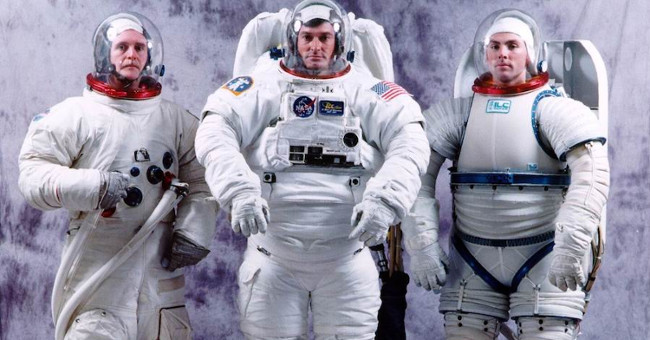
How do astronauts protect people?
Not only are they able to provide oxygen, regulate body temperature, or even support the hygienic conditions, astronaut suits also function to protect against debris fly…
Browse ScienceInfo articles and explainers related to Astronaut.
1,389 published items.
Not only are they able to provide oxygen, regulate body temperature, or even support the hygienic conditions, astronaut suits also function to protect against debris fly…
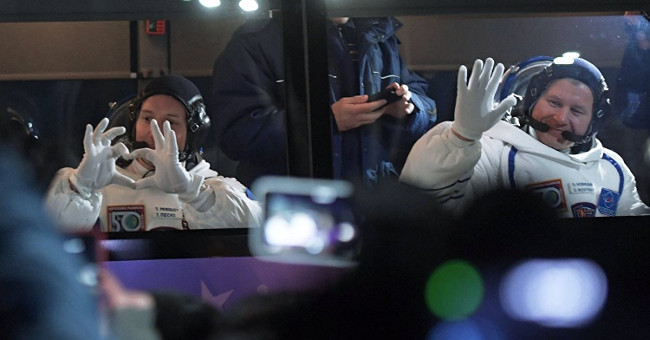
New clothes made by Russia with an unofficial name
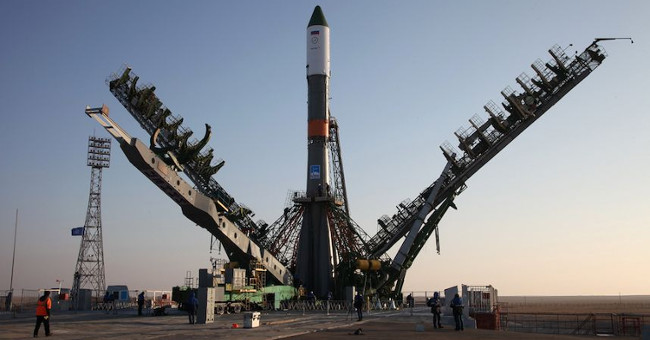
A Russian unmanned aerial cargo ship exploded in Siberia airspace on December 1 just minutes after being launched from a launch site in Kazakhstan.
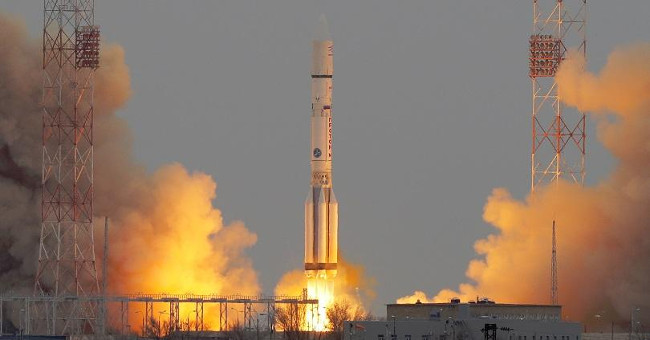
Russia launches a super-large space rocket project to build a research station on the Moon.
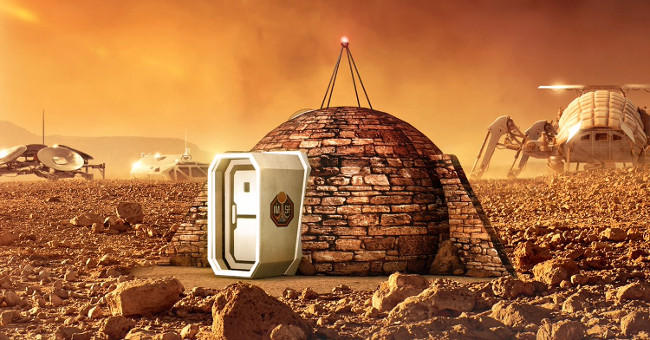
A fully furnished dome house model is on display in the UK to illustrate how humans live on Mars in the future.
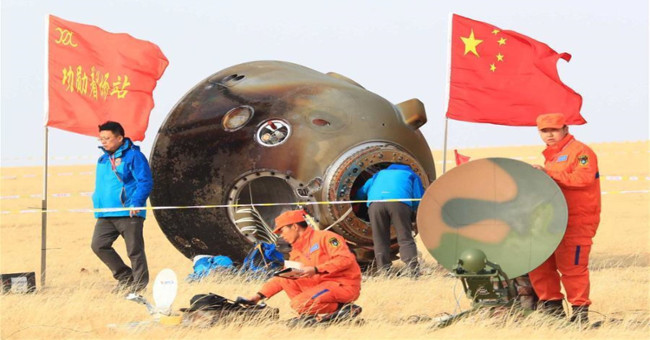
The Shenzhou 11 spacecraft compartment carries two successful Chinese astronauts in the Inner Mongolia Autonomous Region in China.
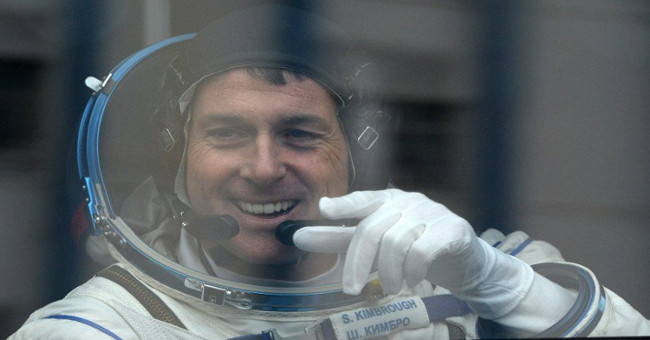
The only American astronaut on the International Space Station (ISS) voted early and said it would be happy to welcome the new president no matter who the election was.
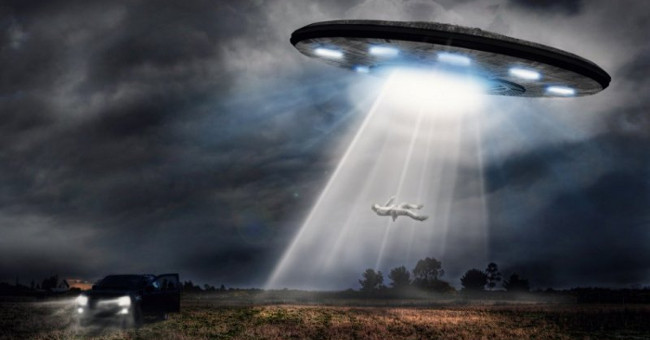
NASA and NATO are most likely hiding the images of aliens appearing in the universe.

Scientists believe that astronauts' dead bodies in the universe during the mission can promote life on other planets under appropriate conditions.
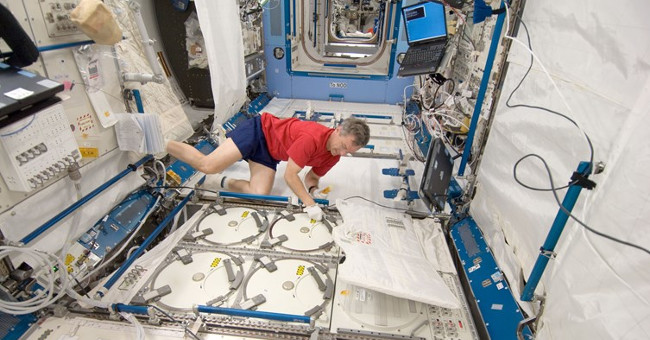
For the first time in the history of the International Space Station, there is a separate YouTube channel that transmits images to Earth 24/7.
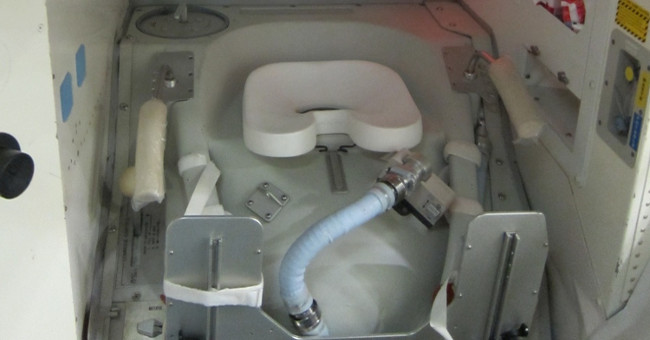
Going to the toilet in a gravityless environment, astronauts must keep themselves still, while not letting the waste out and floating in space.
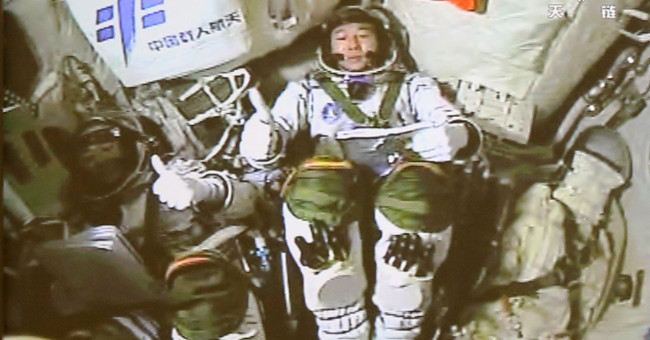
The Shenzhou 11 spacecraft successfully connected to Thien Cung 2 space station, bringing two Chinese astronauts into space missions.
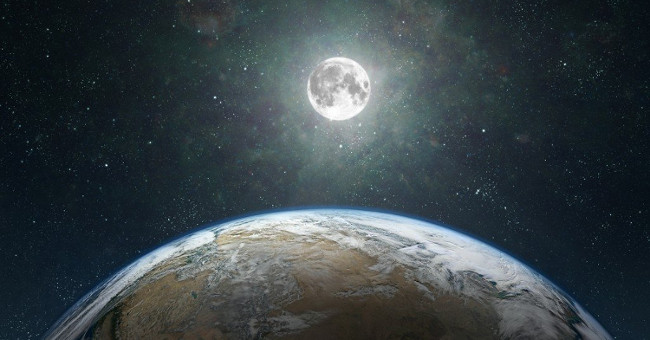
According to Science ABC, the answer depends entirely on what you call

NASA has made many bold plans for the future of the Mars program, adding self-propelled ships to the Martian surface by 2020 and sending manned spaceships in 2030.
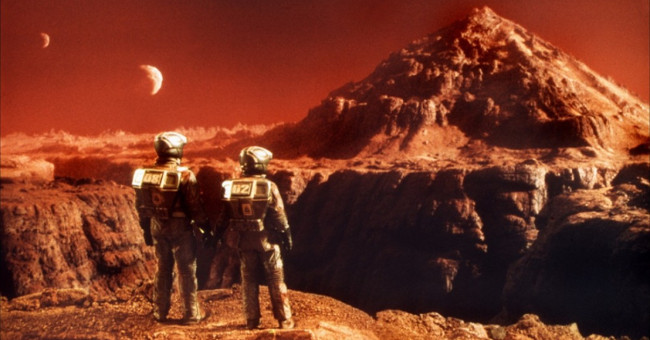
Astronauts traveling to Mars face the risk of long-term damage to the brain and even loss of memory due to exposure to galactic cosmic rays.