
Scientific works
China builds Asia's largest astronomical observatory
China is building a world-class astronomical observatory, opening a new door to its space ambitions.
Browse ScienceInfo articles and explainers related to Astronomical.
425 published items.
China is building a world-class astronomical observatory, opening a new door to its space ambitions.

The Shanghai Astronomical Museum (China) on July 18 officially welcomed the public to visit and experience.
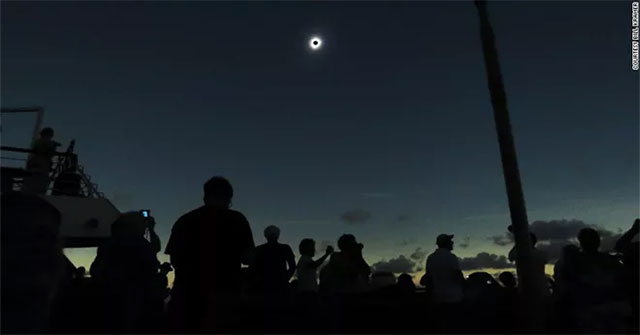
To answer this 'fantasy' question, popular YouTube channel What If recently posted a new video, explaining the possible impacts to the Earth when total eclipse occurs. d…

Coming here, at 10:45 am on June 21, if you look out the window, you will see a ring of glowing fire appear in the middle of the sky. It is the annular eclipse - the fir…
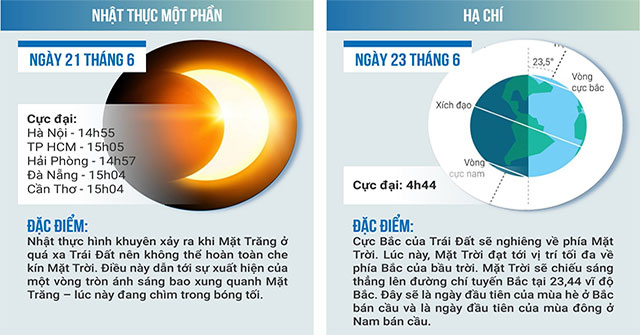
According to the remarkable astronomical event calendar in 2020, there will be 6 interesting astronomical phenomena appearing in June this year. According to the Amateur…
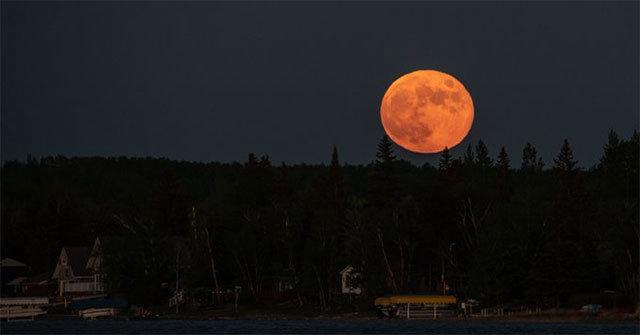
On the night of 6/6 (Vietnam time), people in many countries have witnessed the amazing astronomical phenomenon called the midnight lunar eclipse.

About 2,500 years ago, the Greek philosopher Anaxagoras lived and carried out astronomical and space studies in Athens. Among the areas of interest in his study were the…
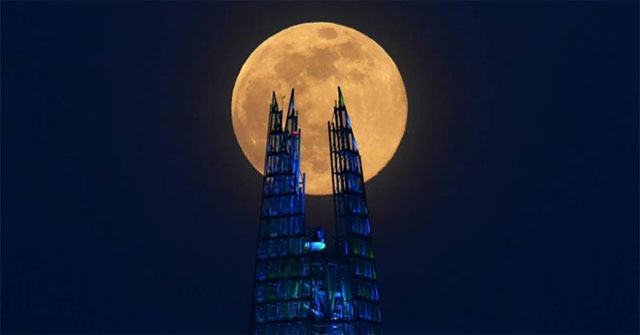
Astronomers enjoy watching the biggest, brightest supermoon in 2020 from cities around the world.
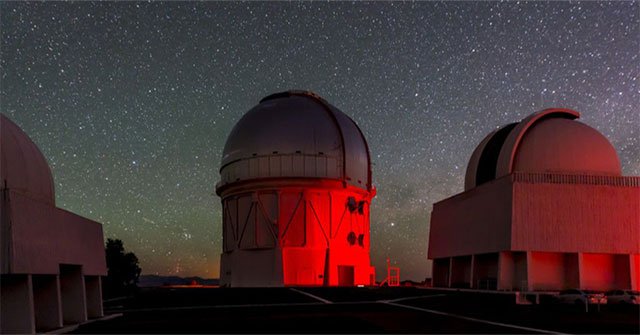
139 small planets, also known as microwaves, have been revealed in the dark region behind Neptune, which could be a clue to the ninth planet.
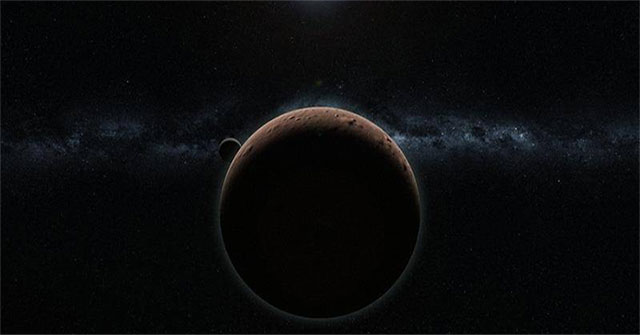
The International Astronomical Union (IAU) recently named a planet in the solar system after the Chinese water god Gonggong.
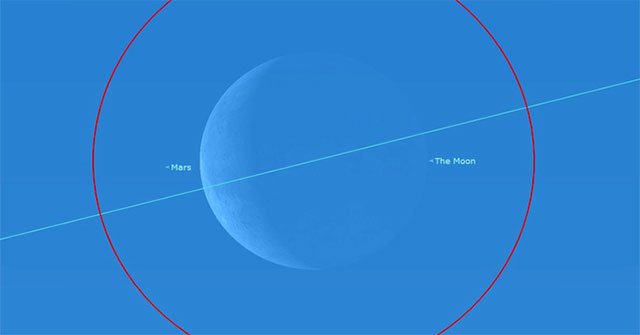
A strange solar eclipse in which the moon does not eat the sun, but ... Mars is one of many strange phenomena that dominate the sky in February.
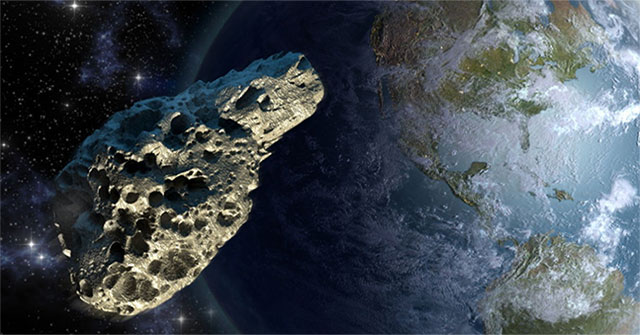
Scientists first discovered an asteroid in the orbit of Venus, said the Astronomical Research Center of the International Astronomical Union.
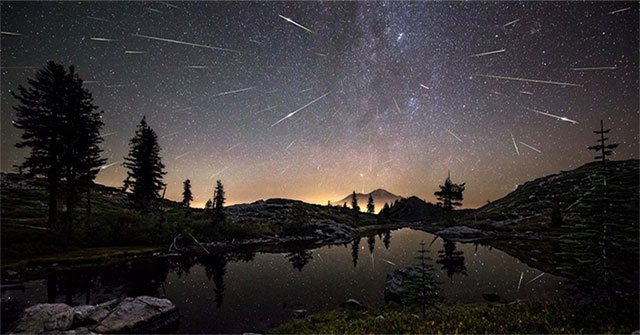
In 2020, nature does not disappoint sky lovers because there are many observable points not to be missed.

In 2020 astronomy lovers have the opportunity to see 13 full moons appear in the sky, more than the usual number each year.
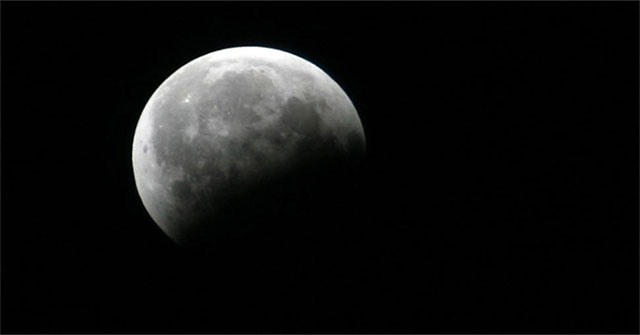
The two astronomical phenomena that simultaneously occurred at dawn on January 11 were the full moon and the half-moon lunar eclipse. This is the last full moon of the Y…