Scientific works
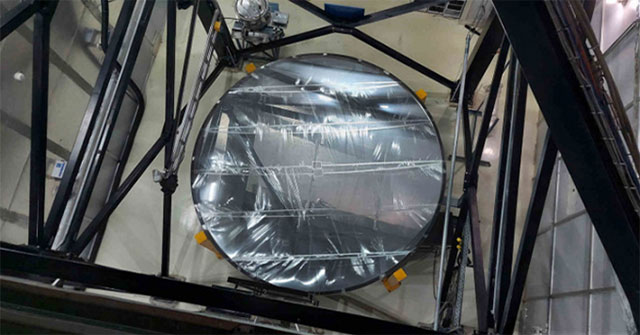
India installs world's first liquid mirror telescope
The ILMT telescope contains more than 50 liters of mercury, or nearly 700 kg, and is expected to generate 10-15 GB of data per night.
Browse ScienceInfo articles and explainers related to Astronomy.
397 published items.
The ILMT telescope contains more than 50 liters of mercury, or nearly 700 kg, and is expected to generate 10-15 GB of data per night.
A leading American space scientist has claimed that he knows the best spots to search for alien life.
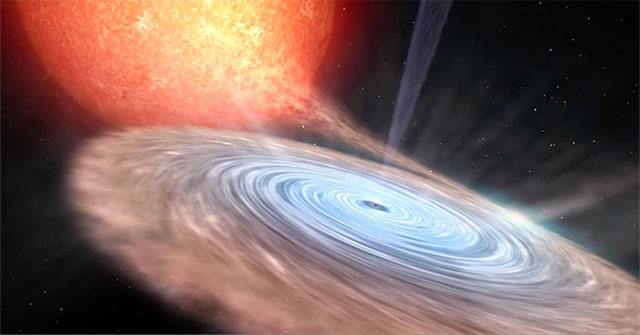
Just like how bats emit sound waves and see objects through reflected waves, NASA's NICER telescope accidentally discovered 8 invisible monsters right in the Milky Way.
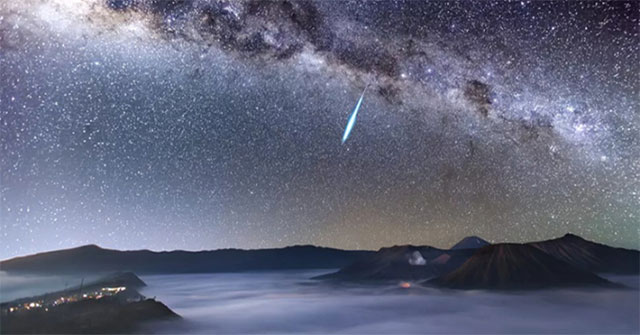
Astronomy buffs around the world will get the chance to watch the Eta Aquarids meteor shower peak mid-week.
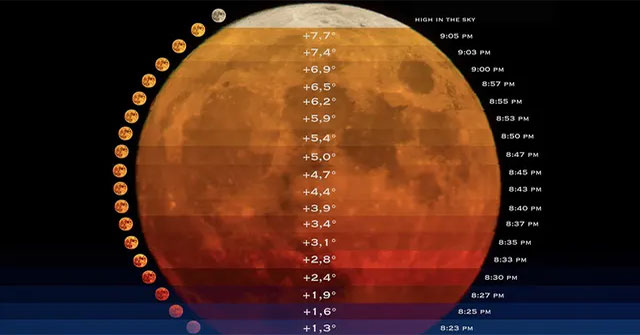
It turns out that the moon is not only gray or dark gray as we often see, instead its color is extremely diverse.
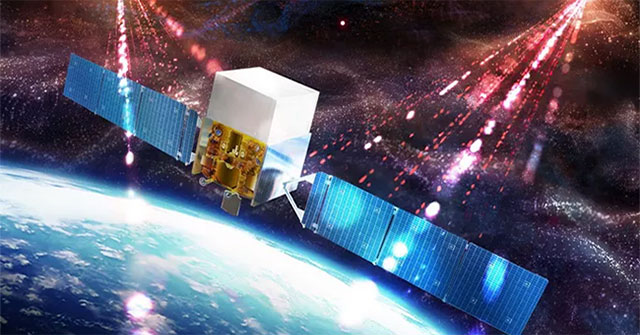
FERMI - NASA's super gamma-ray space telescope - could be the next warrior on a mission to hunt down the merger and collision events of the most terrible monsters in the…
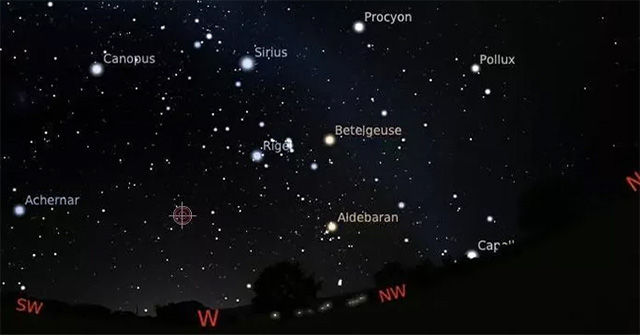
The MeerKAT radio telescope in South Africa has captured a ghostly, laser-like cosmic object that traveled 5 billion light-weights to reach our world.
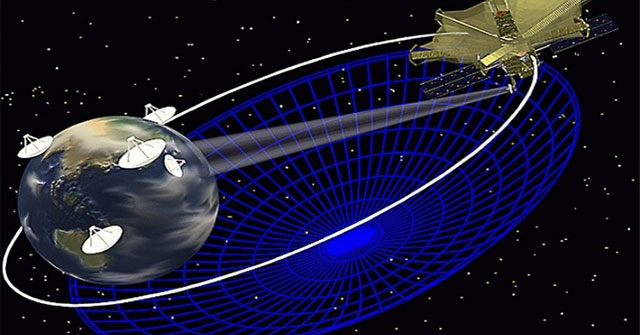
China will launch an observatory orbiting the Moon to create a radio telescope with a diameter of 400,000 km.

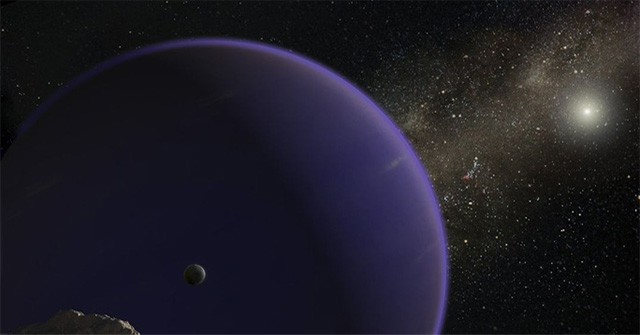
Now, astronomers are edging closer to uncovering one of the biggest mysteries in decades - the ninth planet in the Solar System - a giant planet, which may be orbiting t…

VLA and ALMA, humanity's two heavy-duty radio astronomical observatories, have collected spectacular data sets of 97 fledgling stars with protoplanetary disks.
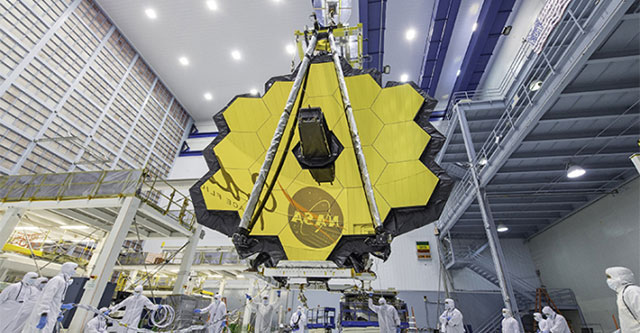
Technical challenges and delays were the main reasons why NASA's James Webb super telescope cost many times more than expected.
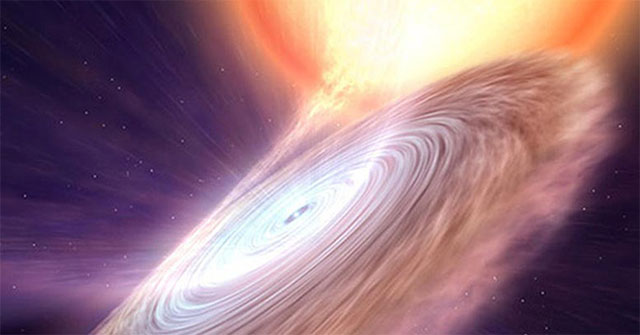
Scientists have recorded warm, cold winds from a monster star for the first time as it consumes material from its ill-fated companion.
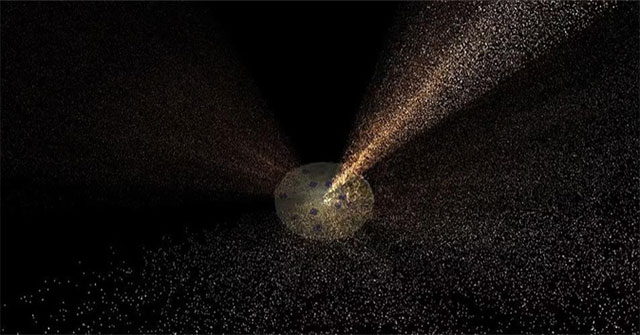
Scientists have used the LOFAR Low-Frequency Radio Telescope Array to map more than a quarter of the northern sky as seen from Earth, revealing a series of stunning cosm…
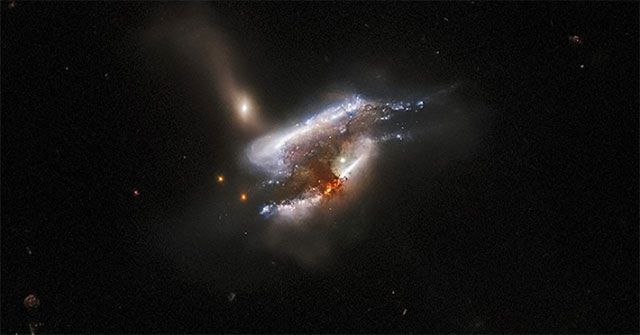
Observations from space and ground telescopes provide a stunning view of the three-galactic collision known as IC 2431.
According to the Daily Mail, the object identified by the Vatican's Advanced Technology Telescope, dubbed 2021 XD7, takes 286 years to complete one orbit around the Sun.