
Space science
Discovered a new type of star covered with ash from burning helium gas
A group of German astronomers recently discovered a group of stars of the strange stellar type, covered with ash from helium combustion.
Browse ScienceInfo articles and explainers related to Astronomy.
397 published items.
A group of German astronomers recently discovered a group of stars of the strange stellar type, covered with ash from helium combustion.
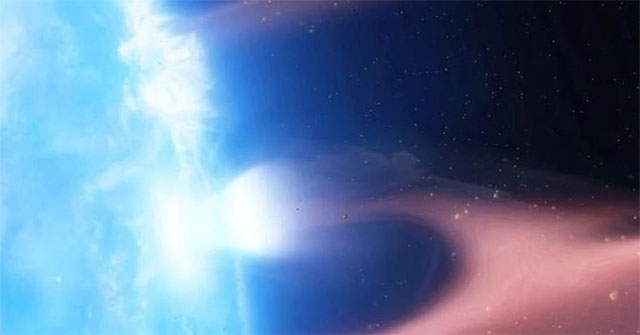
For the first time, scientists have captured unequivocal evidence of a white dwarf star ripping and swallowing parts of its own planet.

NASA's James Webb Space Telescope has captured the first star image, opening the door to unlocking the mysteries of the early universe for scientists.

The Chandra X-ray observatory and numerous observatories around the Earth have just captured breathtaking images of cosmic grim reapers tearing through the sky in magica…
Previous theories have suggested that immediately after forming, the wormhole will collapse immediately because of its lack of stability.
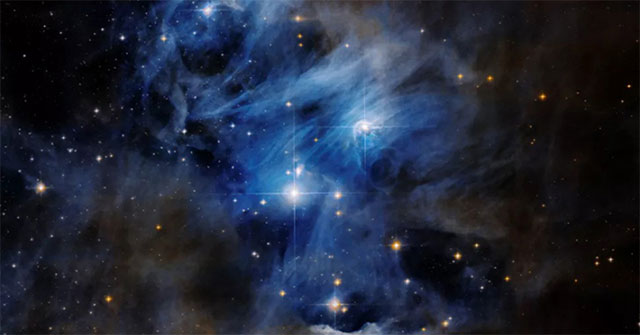
The Hubble Space Telescope provides a stunning updated image of the Chamaeleon Cloud 1 in the Southern Hemisphere sky.
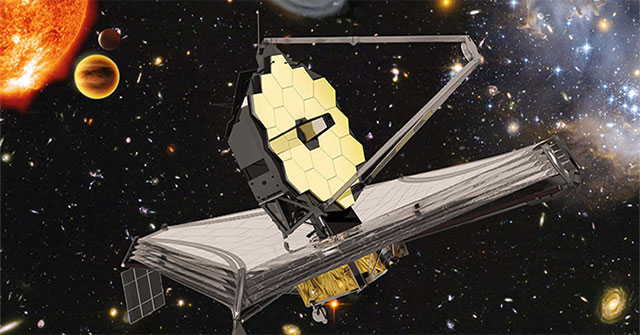
The James Webb Space Telescope has reached its final destination almost a month after it was launched into space.
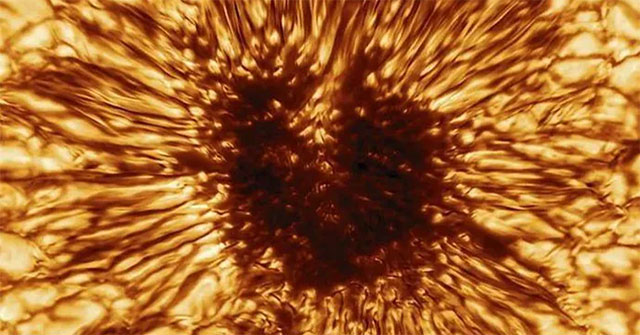
The sun is not so old as the other stars out there. However, scientists are trying to determine exactly when the Sun will explode.
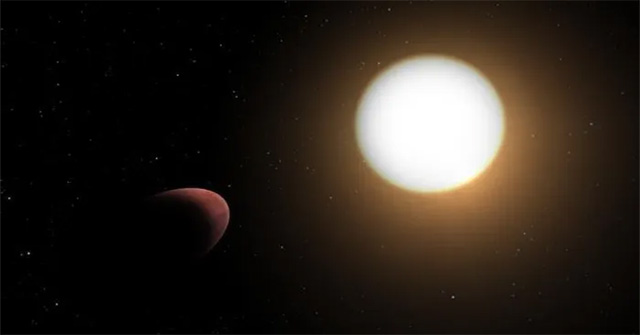
Although planets slightly distorted by the gravity of their parent star have been recorded, this is the first time a planet shaped like a perfect rugby ball has been rec…
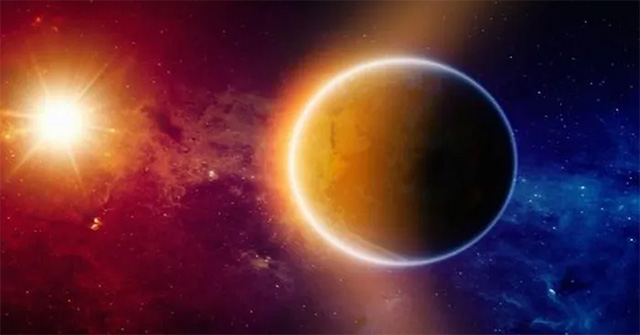
Experts argue that while injecting billions of sulfur particles into the atmosphere's stratosphere helps to reflect most of the sun's rays, the consequences could outwei…
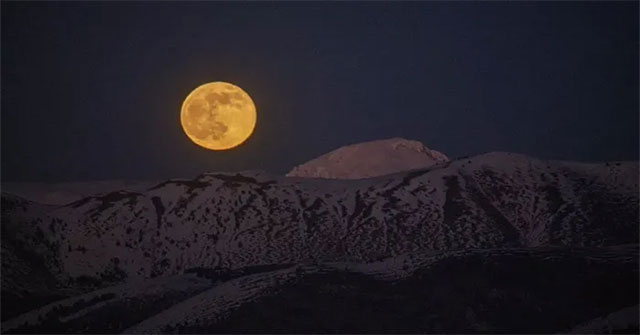
The first full moon of 2022 rises on the evening of January 17. According to NASA,
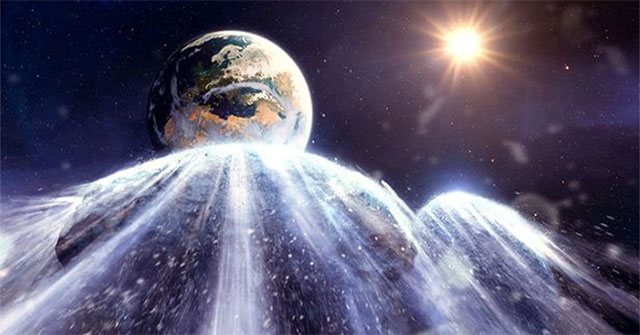
NASA's recent grim warning shows that Earth is facing potential dangers when asteroids
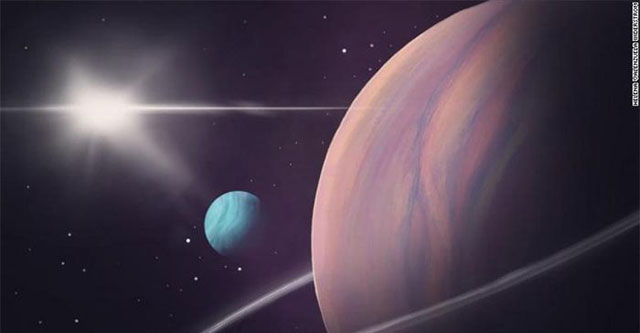
Astronomers have discovered a moon completely different from any object in our Solar System.
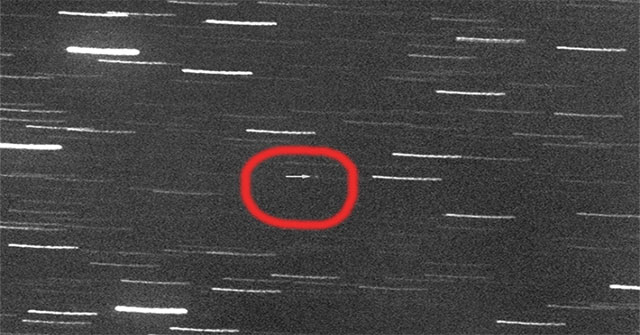
Astronomers photographed asteroids as large as a house with a diameter of about 4.2 - 9.5 m passed the Earth.
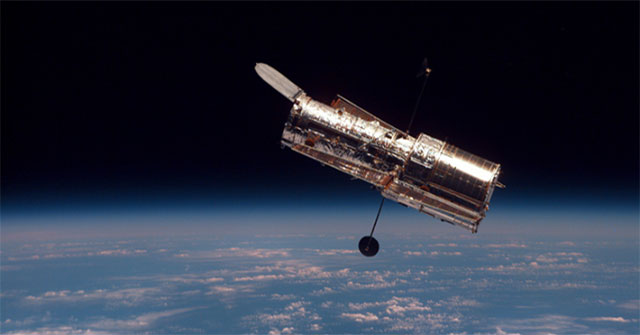
The Hubble telescope with the mission to explore the vast universe has been operating for 31.7 years, bringing a lot of valuable scientific information.