Space science
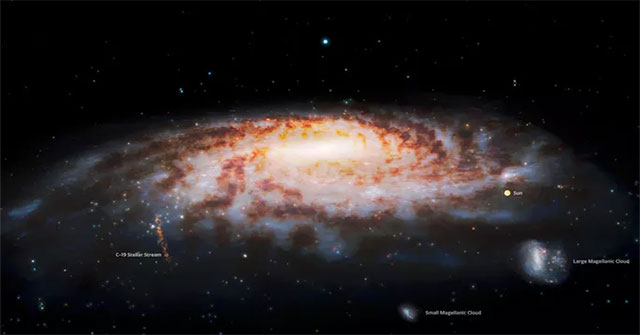
Cluster of 'otherworldly' objects appear in the middle of a galaxy containing Earth
ESA's Gaia Space Telescope and Canada-France-Hawaii Telescope have both recorded a strange line of stars, clearly not belonging to our galaxy.
Browse ScienceInfo articles and explainers related to Astronomy.
397 published items.
ESA's Gaia Space Telescope and Canada-France-Hawaii Telescope have both recorded a strange line of stars, clearly not belonging to our galaxy.
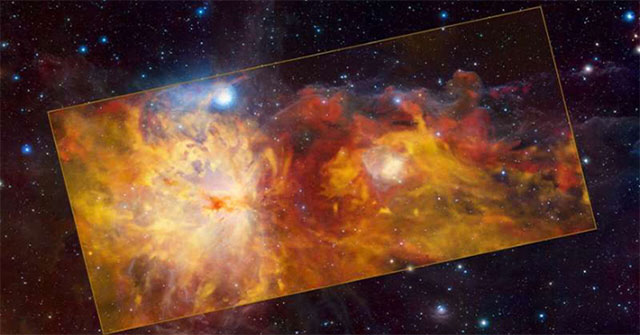
The European Southern Observatory (ESO) has released a stunning update of the nebula NGC 2024 in the constellation Orion.
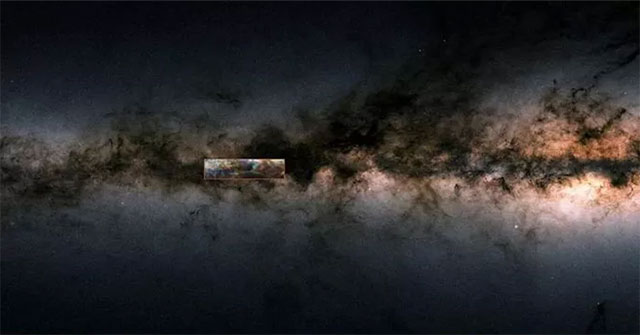
Maggie is a mysterious, unknown, and one of the largest filamentous structures ever observed in a galaxy containing the Earth's Milky Way.
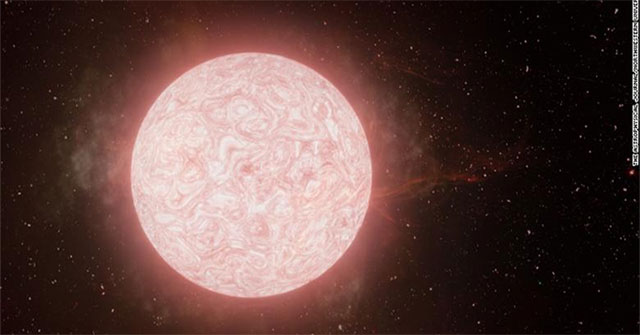
Astronomers have observed this 'dead end' period when a massive star explodes, ending its existence.
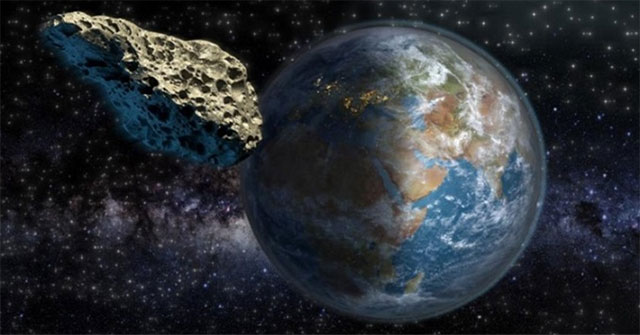
Asteroid Apophis will pass by Earth in April 2029, which can release 30 times more energy than the Tsar Bomba atomic bomb if it collides.
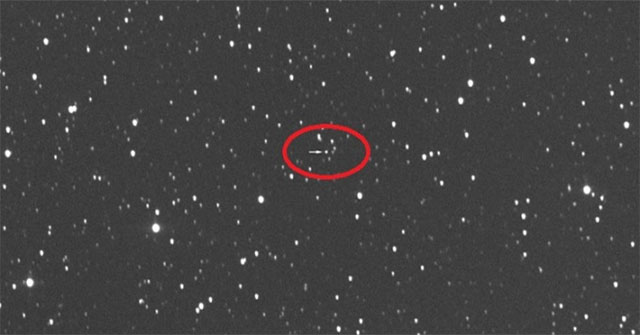
James Webb, the most powerful space telescope in history, is moving further and further away from Earth.
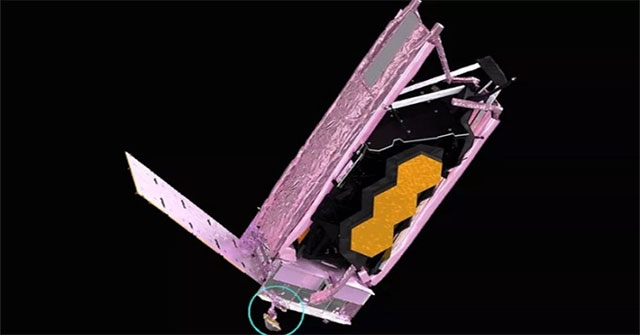
NASA's James Webb Space Telescope successfully deployed an important antenna on December 26, just a day after launching into space.

Dragon is a mystical animal in ancient Chinese mythology, it can fly through clouds and fog, however the golden dragon we are referring to is not this type, instead it i…
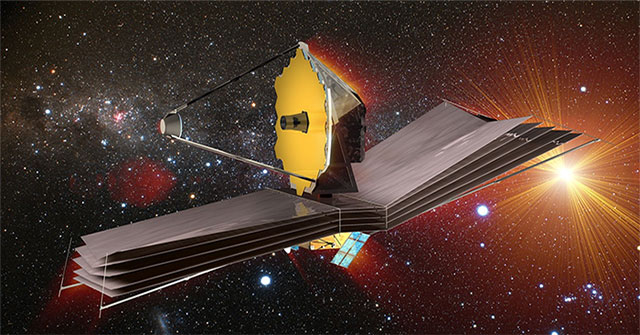
NASA's James Webb Space Telescope will outperform its famous predecessor, the Hubble telescope, in many ways, including position in space.
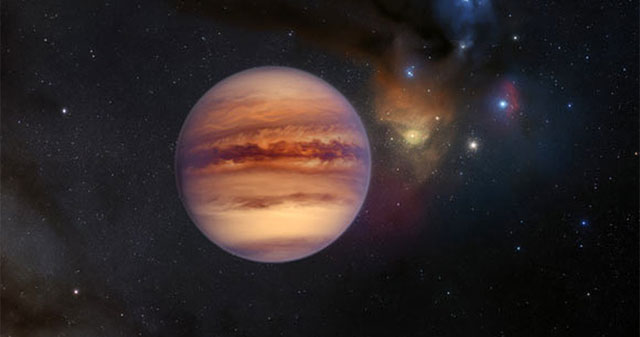
In a mysterious star-forming region located in the constellations of Scorpio and Ophiuchus, there are at least 70 planets in a free-floating state, unbound by any sun.
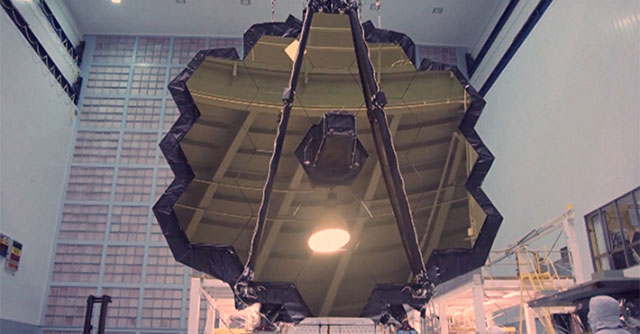
After decades of waiting, the most powerful space telescope ever built will launch into orbit on December 25, just in time for Christmas.
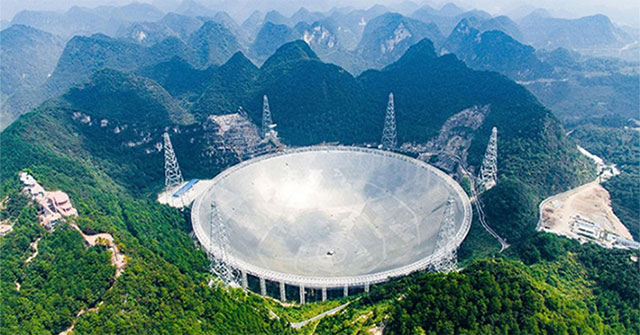
With extremely high sensitivity, the FAST radio telescope has helped scientists detect a large number of pulsars and radio signals.
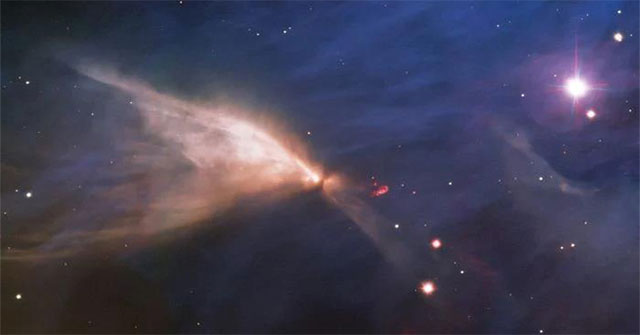
A spectacular image of a ghostly butterfly made of light has just been released by an observatory located in Chile, dubbed the Chamaeleon Infrared Nebula.
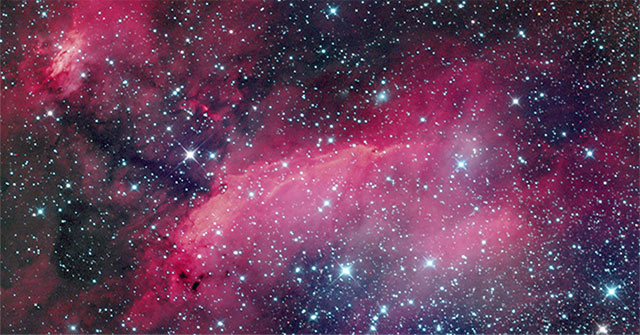
The Hubble Space Telescope has captured a beautiful view of the Prawn Nebula hovering in deep space.
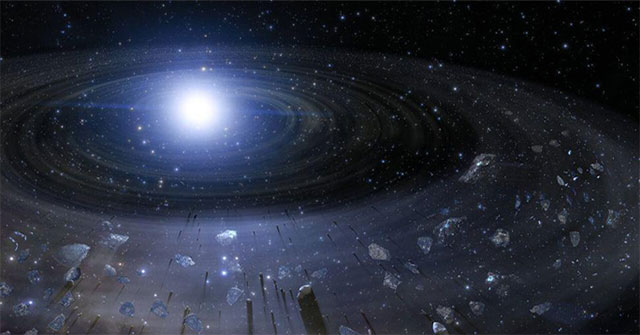
Unseen, unimaginable things have revealed themselves in a vast cosmic graveyard with 23 white dwarf stars and countless rubbles that are torn planetary fragments.