
Science story
The leading magazine published by Vietnamese people
The study of gene Programmed cell death-1 (PD-1), also known as gene
Browse ScienceInfo articles and explainers related to Bacteria.
1,661 published items.
The study of gene Programmed cell death-1 (PD-1), also known as gene
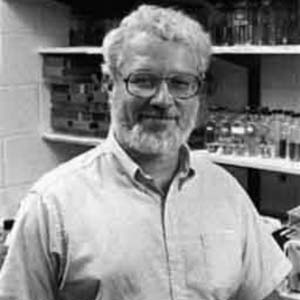
Dr. Malcolm Casadaban is the first US scientist who died of the plague after 50 years of studying this pathogenic bacterium - a form that no longer causes human illness.
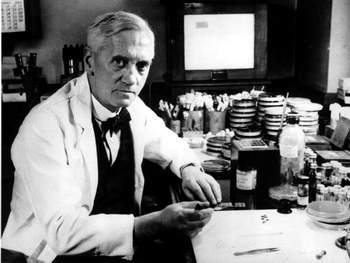
It's unbelievable, but it was true from the beginning of the last century, even in the most developed countries, on average, people lived only 40 years of age. The horri…
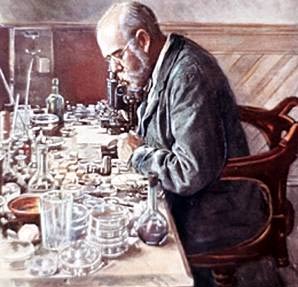
Everyone doing research on microorganisms knows about environmental coagulants such as agar, agarose, gelatin, gellan gum ... and their use characteristics, but the hist…

Australian scientist Barry J. Marshall received the 2005 Nobel Prize in medicine in Stockholm (Sweden) with his colleague, Dr. Robin Warren. He agreed to an open convers…

In most cases, halitosis means you need better hygiene but sometimes it's also a sign of more serious illnesses.

Scientists at Southampton Biomedical Research Center, UK, are developing a nasal drug containing beneficial bacteria that can prevent the development of meningococcal di…

Just do these things, then don't ask why your feet stink forever.
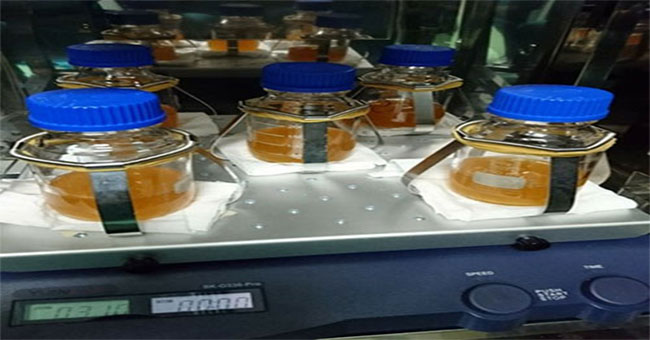
Duc Hanh Veterinary Drug Joint Stock Company Marphavet has researched to create a successful bacterial seed that is used to produce pneumonia vaccine in pigs.

Your body will have a bad smell, itchy head, more acne, painful groin, and it may take several weeks to get back to normal.
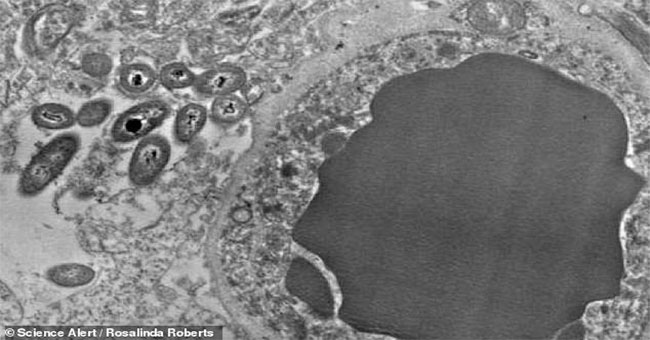
Previously, we knew there was a population of bacteria living in the human gut, which affected digestion, immune system, overall health, even our genes and emotions.

What is pharyngitis? What are the causes and symptoms of disease? Let's learn about the disease that is causing MC Van Hugo to gradually lose his voice through the artic…

According to Theguardian, human decay bodies after death are the foundation of a complex ecosystem.
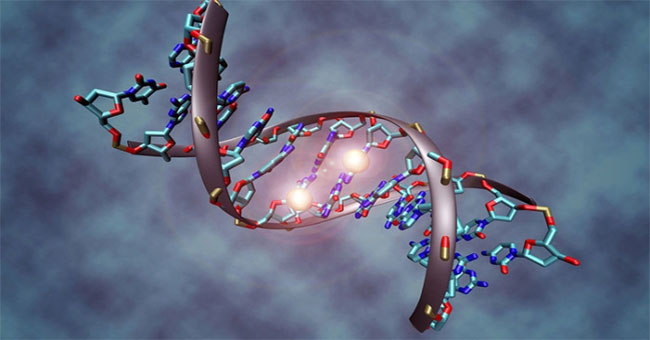
The reason why science has not yet succeeded in modifying the human genome using CRISPR technology may be due to the immune system of people responding to Cas9 protein.
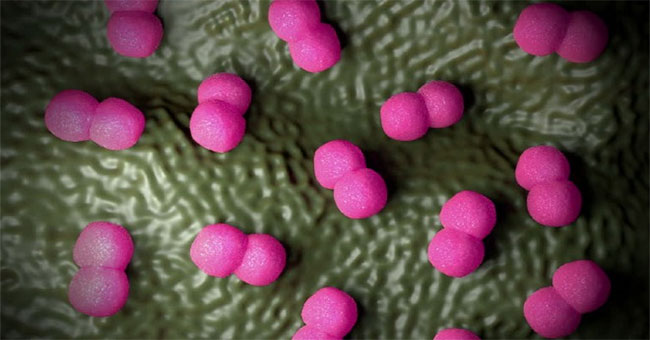
The reservoir of meningococcal bacteria in nature is in humans, so the main source of infection is patients and healthy people carrying bacteria.