
Science story
Why is ultraviolet light used to kill bacteria?
For decades, germ-killing UV rays have been used to disinfect various objects and surfaces.
Browse ScienceInfo articles and explainers related to Bacteria.
1,661 published items.
For decades, germ-killing UV rays have been used to disinfect various objects and surfaces.
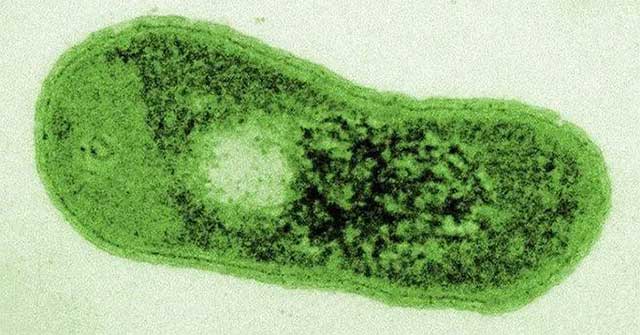
Scientists have discovered a species of bacteria that can 'eat' sunlight and 'breathe' oxygen.

A study of 467 makeup products conducted by British experts found that 90% contained potentially deadly bacteria.

In addition to detecting bacteria and pathogens in domestic water, the device can also assess water hardness, pH and ion content in water.
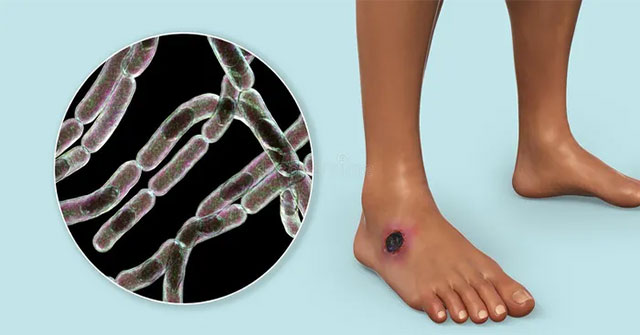
The toxin of the disease can be deadly but works to block the sensation of pain Anthrax toxins include several molecules secreted by anthrax bacteria.

A new cleaner made of sawdust and water can remove up to 99% of disease-carrying microorganisms, including anthrax and some strains of the flu virus.

Scientists have found a bacterium that can directly digest crude oil and produce methane gas, making mining more efficient.
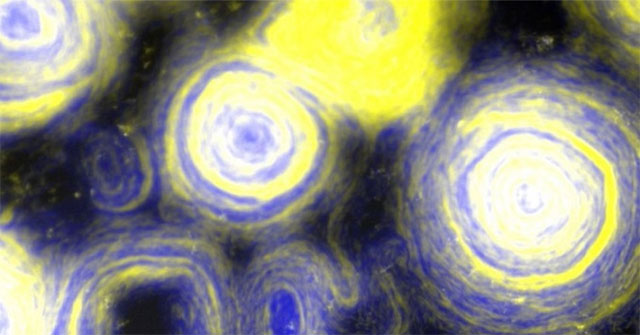
The swarm of flesh-eating bacteria clings to each other in a vortex with yellow and green colors similar to the painting 'Starry Night' by Dutch artist Vincent van Gogh.

TipsMake - Although daily bathing is not really necessary, but if you don't shower for too long, the body will suffer significant effects.

3D printing ink is made entirely of E. coli bacteria, helping to create sustainable constructions that can repair themselves.
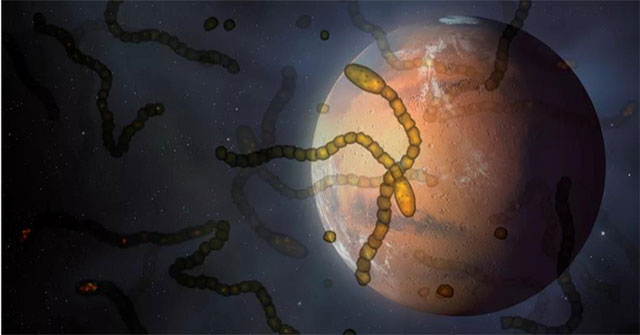
An international study has warned of a very real risk of
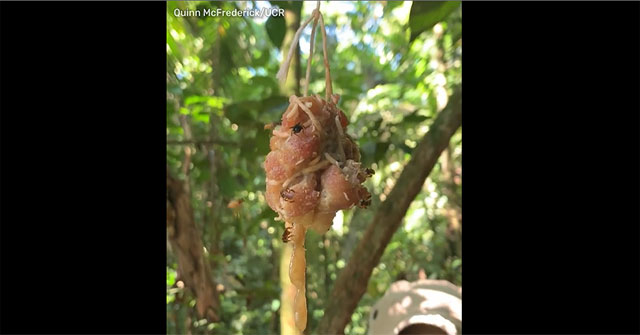
Vulture bees' guts contain different bacteria than vegetarian bees, which help them digest meat.

It turns out that the Earth is still breathing with larger lungs in the ocean, an ecosystem few of us know about: The seagrass fields.
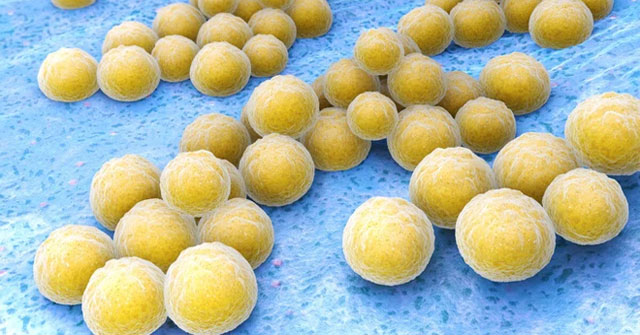
It turns out that new antibiotics may have been inside our bodies for a long time.
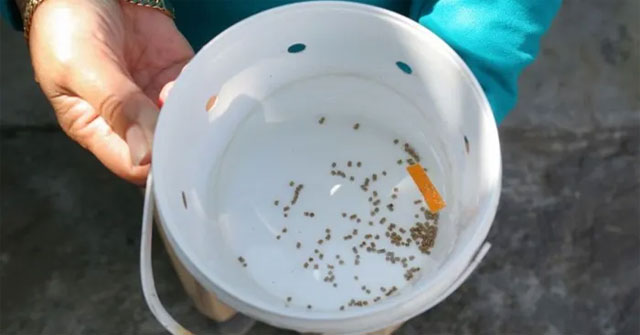
Researchers in Indonesia have found a way to fight disease-carrying mosquitoes by breeding an insect that carries bacteria that block viruses like dengue.