Cancer
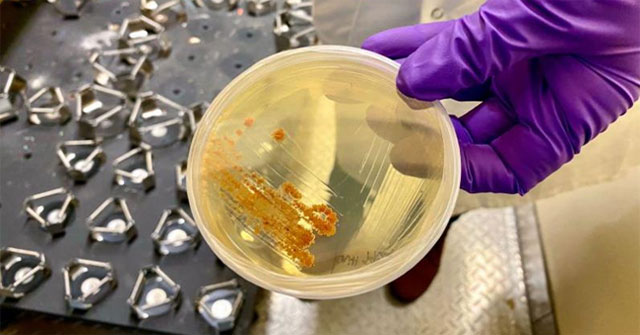
New breakthrough: Treating brain cancer with marine actinomycetes
A new drug specifically for neuroblastoma is exploited from a bacterium found on the seabed at a depth of 1981m.
Browse ScienceInfo articles and explainers related to Bacteria.
1,661 published items.
A new drug specifically for neuroblastoma is exploited from a bacterium found on the seabed at a depth of 1981m.

Experts warn that food stored in an anaerobic environment such as vacuum can produce extremely dangerous botulinum toxin.
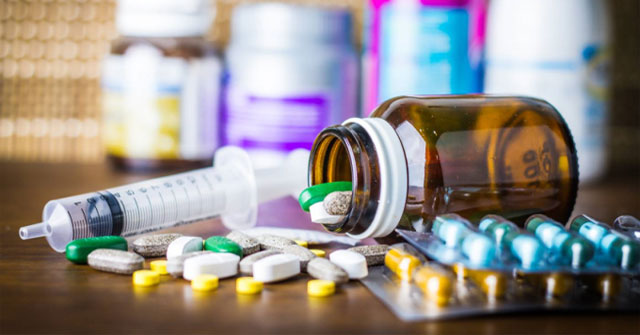
Diarrhea is one of the common side effects of antibiotics, which can lead to intestinal pathology.
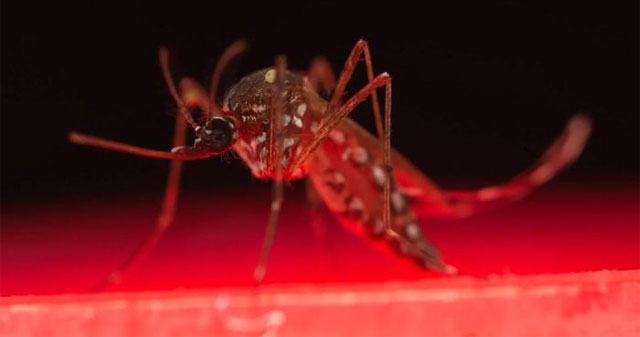
After 20 weeks of testing, the number of midges in these areas has decreased by more than 80%.

Cases of food poisoning mainly focus on the heat phase, the cause of poisoning can be caused by chemicals and natural toxins of food, but above all, it is still caused b…
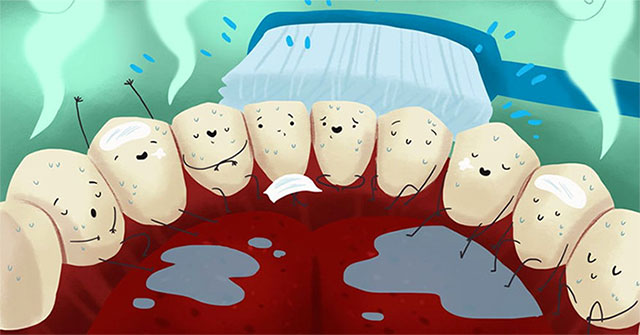
Nearly half of Americans do not brush their teeth enough. And when food accumulates in the nooks and crannies of the teeth, a variety of bacteria come and stay, irritati…

Botulinum H is considered the most dangerous poison to humans, because only 1 gram of it is enough to kill the lives of more than 1 million people!
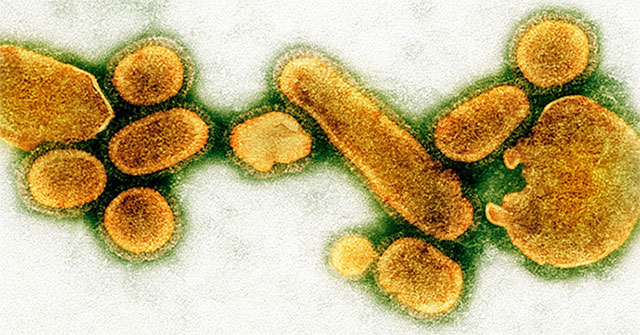
The disappearance of the virus will affect the evolutionary potential of all life on the planet, including humans. Without viruses, life and planets as we know them will…
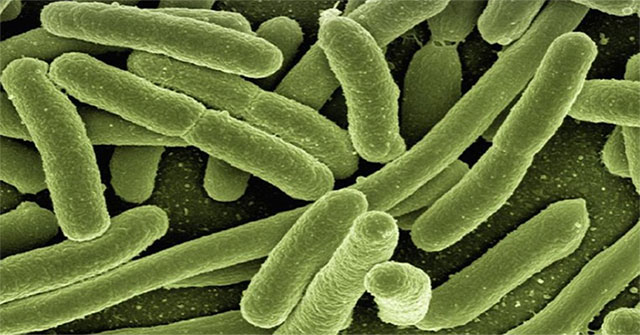
Bacteria evolved over millions of years and formed many strange characteristics.
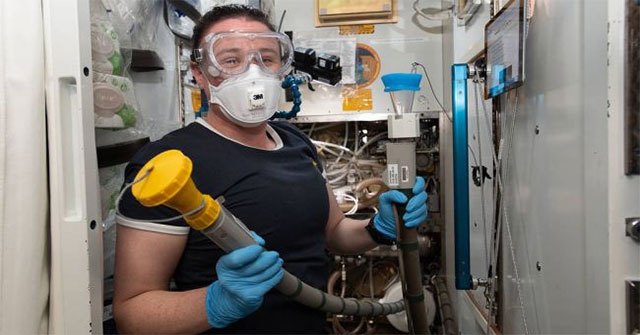
This is a new achievement for the space exploration industry when it is possible to reuse wastewater and prevent bacteria from spreading out in space.
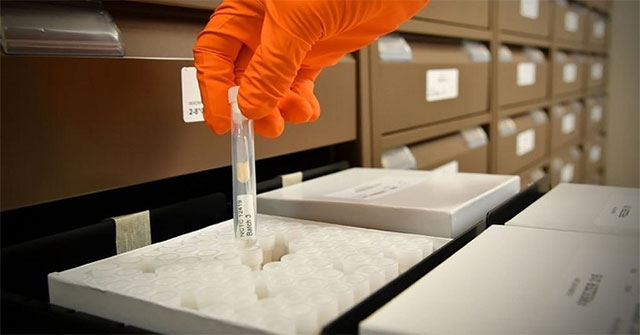
The Museum of Microbiological Varieties (NCTC) contains strains of bacteria representing more than 900 species that can infect, making people sick and dead.

Cancer and bacteria cells behave differently when they are not affected by the Earth's gravity.

Human navel forms when the doctor cuts the umbilical cord. Depending on how the cut heals, we may have a protrusion or a navel.

A fabric can extract tiny amounts of electricity from the wearer's movement, then generate electrical impulses large enough to kill almost all bacteria.
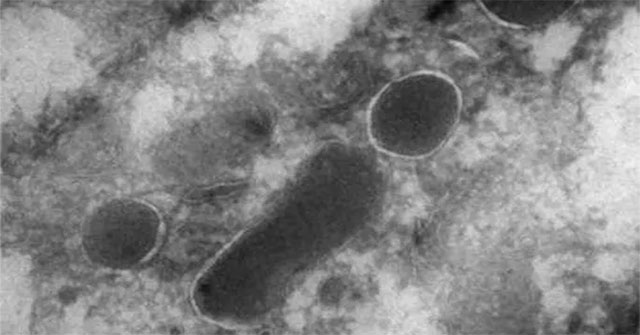
The shocking images of the Weizmann Institute of Science (Israel) about the bacteria living in cancer cells could actually pave the way for promising treatments.