Biology
The fast-growing cannibalism bacteria
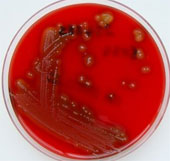
Scientists have found that a meat-eating bacterium can cause fatal infections that evolve rapidly, within 35 years.
Browse ScienceInfo articles and explainers related to Bacterial.
163 published items.
Scientists have found that a meat-eating bacterium can cause fatal infections that evolve rapidly, within 35 years.

Scientists have recently discovered that the cause has led to extinction on a global scale, leading to the elimination of about 60% of all species on Earth that took pla…
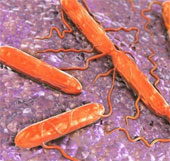
The overuse of antibiotics on humans and animals is thought to be the main cause of the increase in antibiotic-resistant or superbug bacteria.
Scientists discovered microbial bacterial cells, marking a major step forward in the field of experimental biology.

Scientists have discovered that some of these tiny

Scientists have identified bacteria that act as conductors of electricity, a source of mysterious currents in nature.
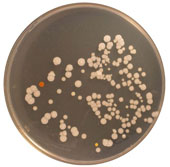
Human umbilical cord is a place to support a microbial ecosystem, very similar to the biodiversity of tropical forests, according to a new study.
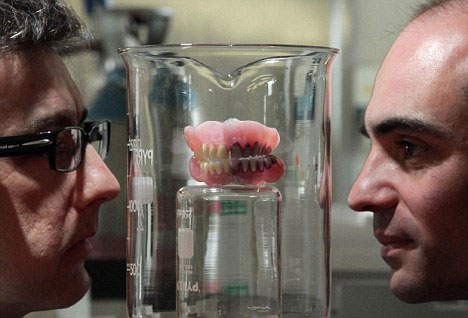
It was a surprising finding by scientists at the University of Newcastle (UK), while they were studying the bacterial strain of marine algae called Bacillus licheniformi…
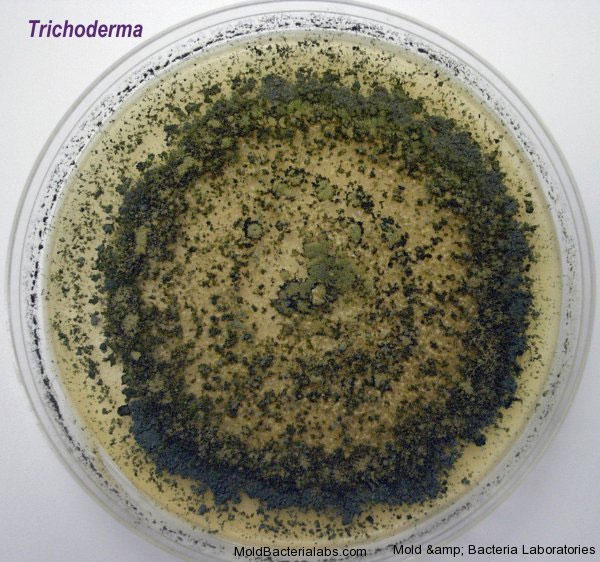
Scientists at Vienna University of Technology (Austria) have introduced bacterial genes into trichoderma to produce important chemicals for the pharmaceutical industry f…
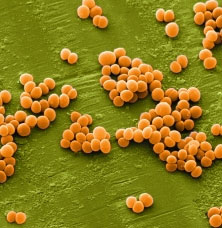
According to Genes and Development, an international research group consisting of scientists from Edinburgh University (Scotland) has established a map of the complex mo…
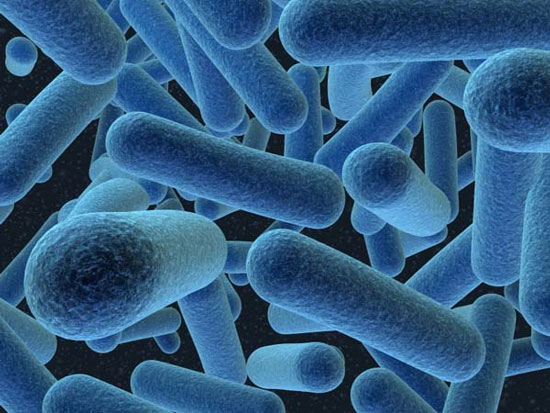
For a long time, biologists have always said that the bacterial population is always young and not old. In other words, the bacteria are not aging and do not have age, a…

The most prestigious scientists in the world said that the strange bacterial culture experiment of the US Aerospace Agency (NASA) has made serious mistakes.
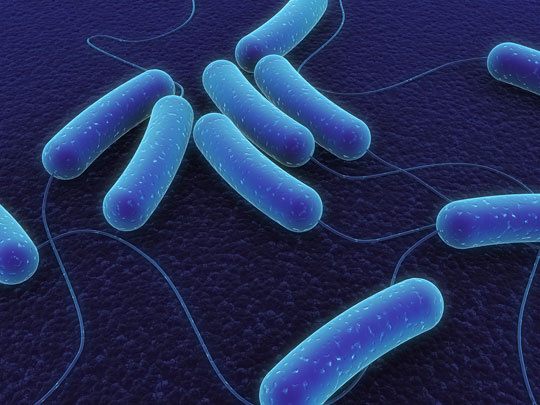
Scientists from Canada and Denmark have deciphered the bacterial immune system, helping to solve the problem of drug-resistant bacteria.

Scientists have discovered the bacterial components they hope to use to develop a vaccine against a range of dangerous human diseases caused by E.coli infection.