
Biology
The bizarre bacterial world
Statistics of the Institute of Aquatic Life of America published a huge number of bacteria, 10 ^ 30 new species have not yet been named.
Browse ScienceInfo articles and explainers related to Bacterial.
163 published items.
Statistics of the Institute of Aquatic Life of America published a huge number of bacteria, 10 ^ 30 new species have not yet been named.


American scientists from Chapel Hill Sub-University, University of North Carolina, said they found calcium atoms could control bacterial activity.
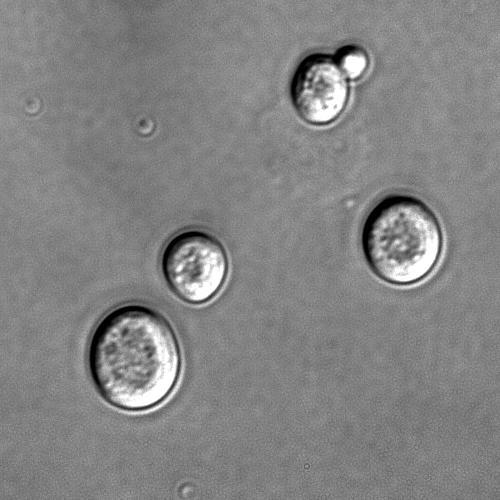
Researchers at J. Craig Venter Institute (JCVI) have published results describing the method in which the entire genome of Mycoplasma mycoides is copied in a yeast cell.
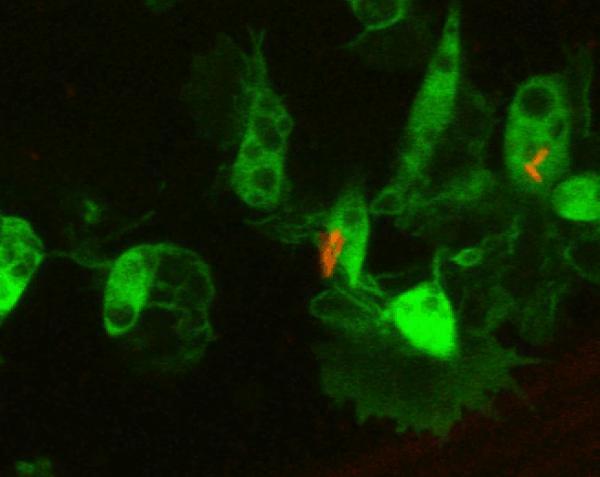
Researchers have developed a new tool that allows direct recording of bacterial attack on hosts.
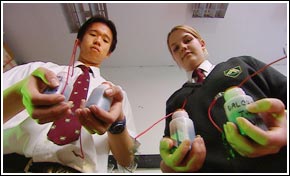
Finding alternative sources of energy has become increasingly urgent as traditional fuel sources are rapidly depleting.
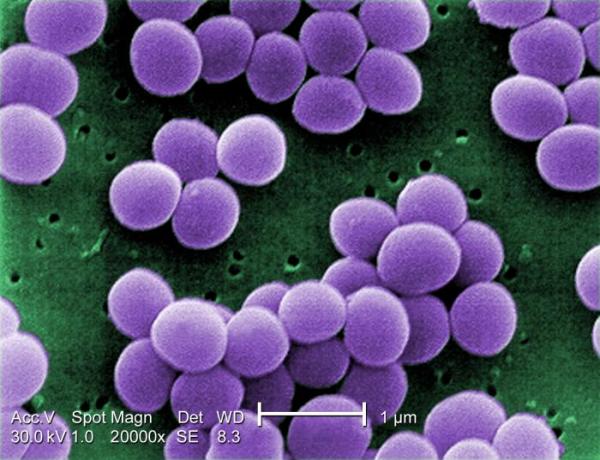
In an article published in Science, it first decoded the molecular mechanism by which bacteria resist many antibiotics, or even allow bacteria to adapt to a new environm…

Like firefighters fighting the fire, researchers at the University of Illinois and the University of Massachusetts at Amherst have discovered a way to deceive bacterial…
New research shows that bacterial infection can determine whether to kill the host cell immediately after entering or entering a
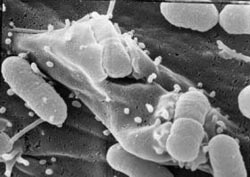
Researchers at the Hebrew University in Jerusalem have achieved a breakthrough in controlling the dangerous pathogen's bacterial pathway system - a promising achievement…
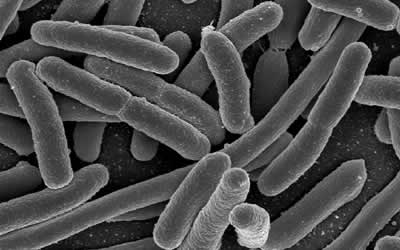
New research shows that even bacteria can evolve to predict things that are going to happen based on clues.
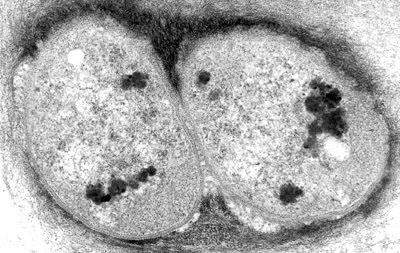
Duke University researchers have recently made great strides in understanding the mechanism of bacterial division. This success can bring new antibiotic treatments to pr…
The team of 17 people from the J. Craig Venter Institute (JCVI) has just created the largest artificial DNA ever by synthesizing and assembling 582,970 base pairs of a b…
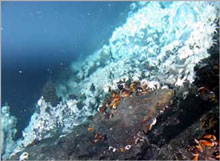
Some genes that allow the current bacterial species to infect humans may originate from a microbial ancestor that once lived in the deep ocean.

Today, data can be stored on floppy disks, computer chips, hard drives and, of course, papers. However, scientists have found a new, smaller storage medium but the stami…