
Medicine - Health
A kiss contains 80 million bacteria
Research by Dutch scientists shows that a 10-second kiss can exchange 80 million bacteria.
Browse ScienceInfo articles and explainers related to Bacterial.
163 published items.
Research by Dutch scientists shows that a 10-second kiss can exchange 80 million bacteria.
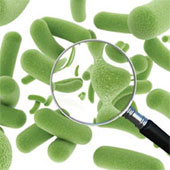
Many types of food and supplemented products contain probiotics that are good for human health.
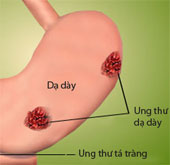
Stomach ulcers not only cause pain but also make you weak, unable to eat well or focus on work, other activities in life.

The outbreak of water-related plague still occurs in winter, usually after people take a hot bath or spa.
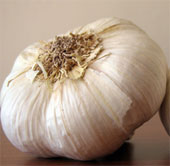
A new study from Canadian scientists shows that garlic contains compounds that help prevent the risk of children from food contamination, particularly from formula.

Scientists have found a way to process cheese from the bacteria that inhabit the legs, navel and even in the armpit of a person.

A new study shows that half of the surface of office kitchen areas is contaminated with bacteria that cause intestinal and stomach disease.

According to researchers from the University of California (USA), soaps, lotions and lubricants can destroy sensitive cells and increase the likelihood of becoming infec…

A study in the United States found that bitter melon juice (bitter melon) could prevent the development of pancreatic cancer cells, according to Medical Daily.

The key to overcoming obesity can be hidden in an unimaginable place: mummies of mummies 3,000 years ago.
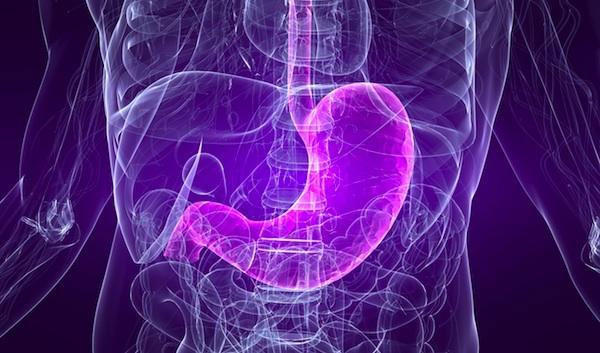
The US Food and Drug Administration (FDA) warns that some stomach acid inhibitors lead to an increased risk of serious intestinal bacterial infections for users.
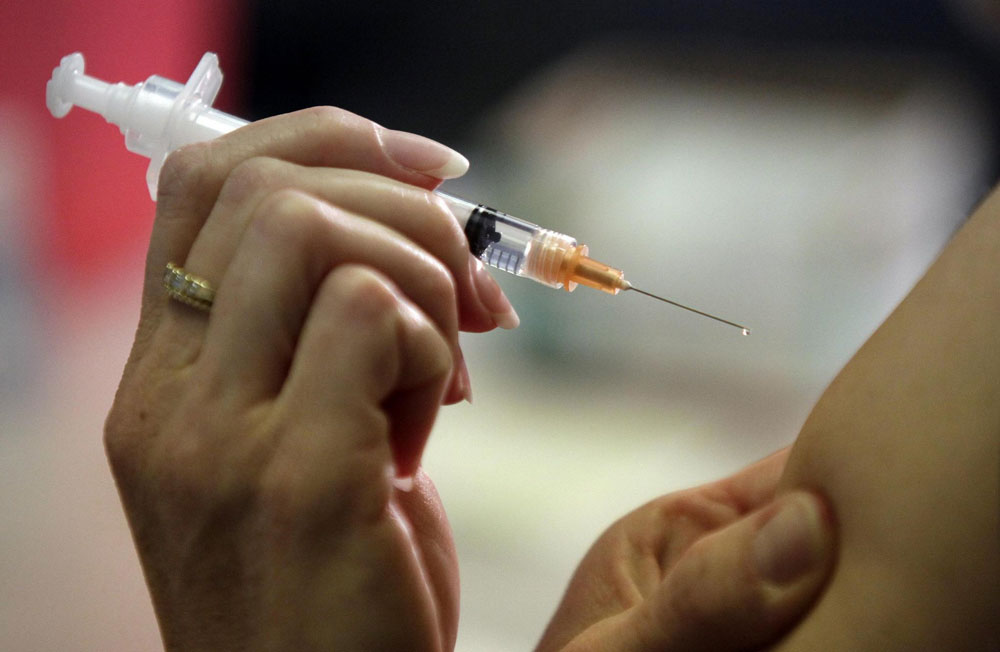
A new vaccine can reduce the number of deaths caused by one of the most common meningitis in children. The current vaccination program only protects the body from a few…

Proper oral hygiene not only helps prevent diseases of the teeth and gums but also significantly reduces the risk of pneumonia.

Bubonic plague, a bacterial infection that causes the lymph nodes to swell, is painful called lymphadenopathy.
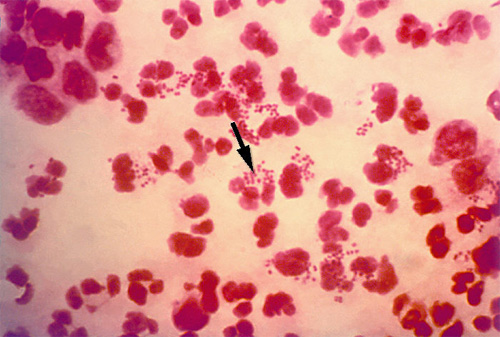
Scientists have discovered a new strain of bacteria that causes gonorrhea, which is resistant to all antibiotics. This virus can be a threat to global health.