Biology
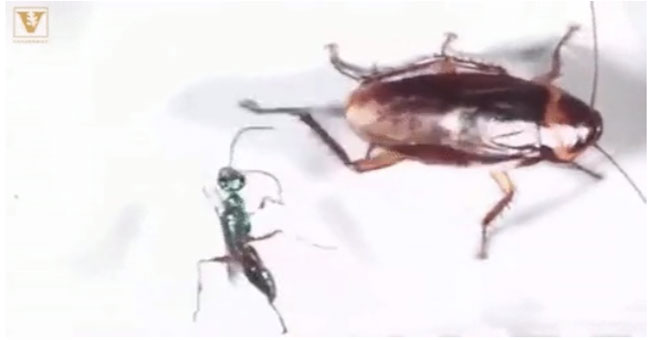
Watch the cockroach 'hit karate' on the bee's face to avoid being turned into 'zombie'
Cockroaches, if you leave out the vigorous survival and unconditional fertility, then it is just a weak bug.
Browse ScienceInfo articles and explainers related to Bee.
207 published items.
Cockroaches, if you leave out the vigorous survival and unconditional fertility, then it is just a weak bug.
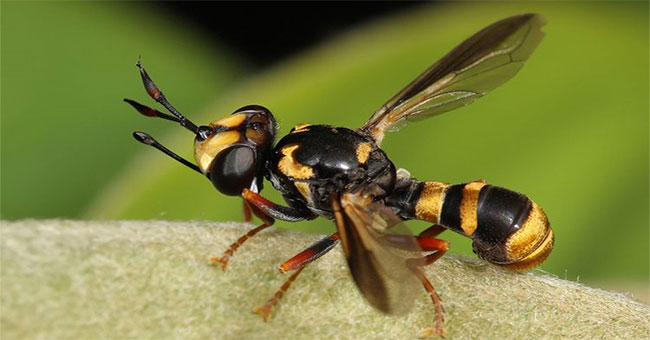
In addition to habitat loss and exposure to pesticides, bees also face increased pressure from Conopid fly parasites.
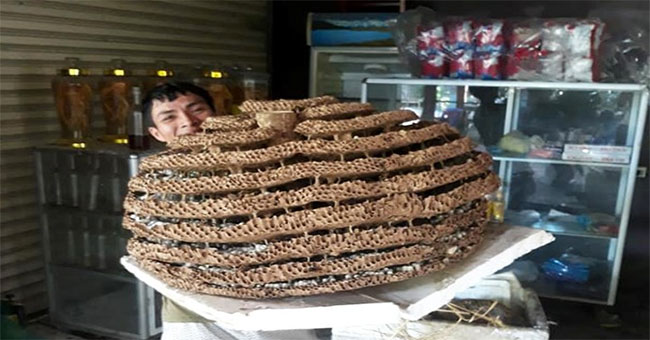
In the last days of October, people hunting bees in Nam Hung commune, Nam Dan district hunted a giant honeycomb, weighing over 20kg.
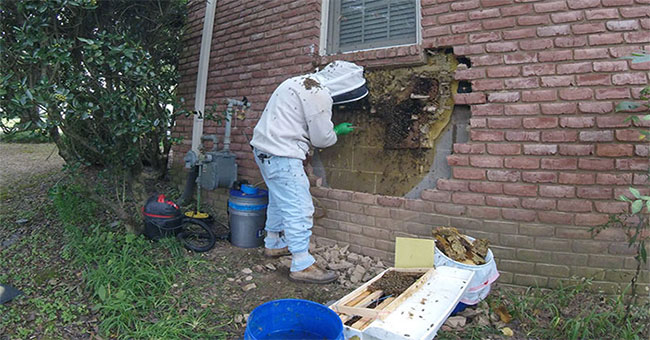
The honeycomb removal expert identified the nest nearly a meter wide and 1.5 meters high, growing for nearly two years in brick walls.
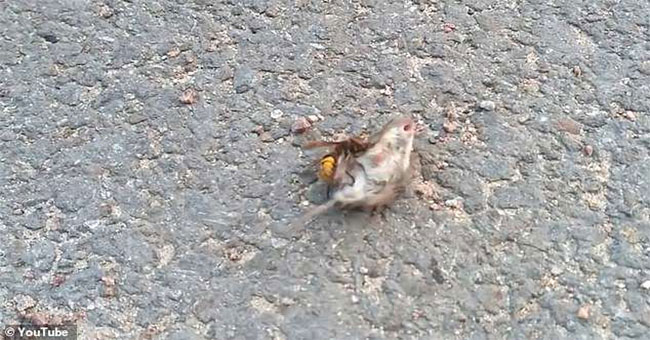
The big bee fought the mouse, causing the enemy to die in less than a minute.
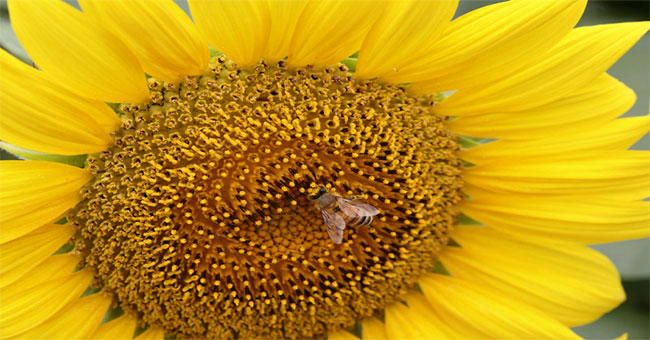
Good accessibility to flowers and sunflower pollen can help vulnerable bees avoid pathogens.
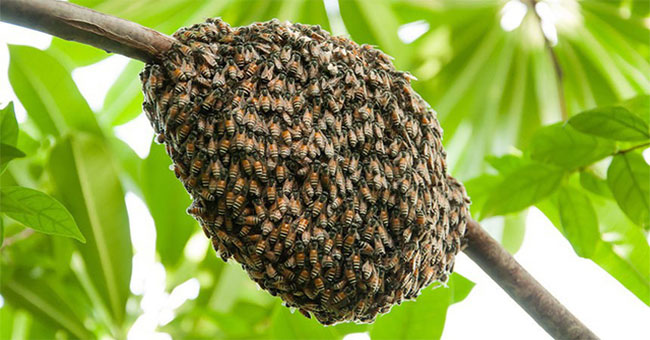
A strong wind cannot drop a cluster of honey bees, and now scientists are beginning to understand the reason.
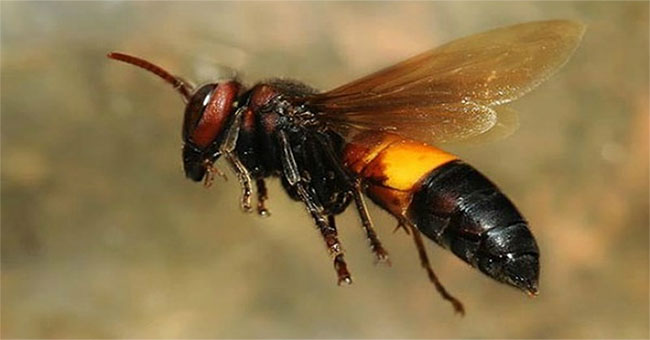
Mature bumblebees are about 5.5cm in size. Many insects are mistaken for bumblebees, in the world only about 20 species of bumblebees are classified according to aggress…
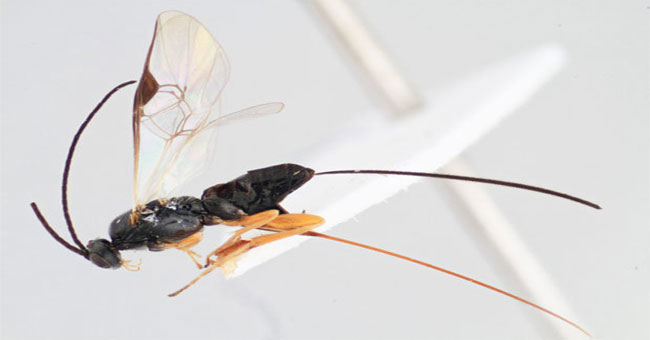
According to the Daily Star, newly discovered bees named Dolichogenidea xenomorph lay eggs on the host's body. The children grow up to eat host meat and grow into adult…
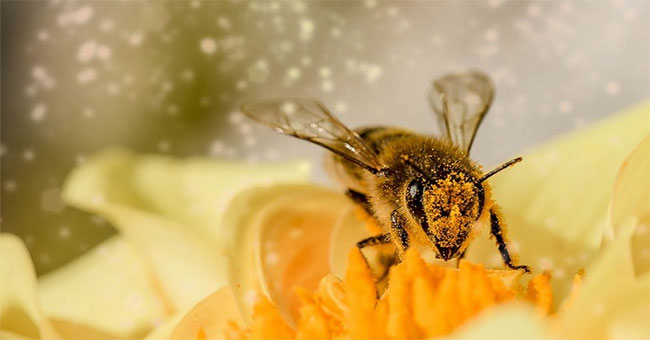
Some animals have the ability to understand numbers. But there are many numbers that are difficult to define and capture, such as numbers

Every day, bees have to make many trips with long distances to gather important resources from chalk and nectar.
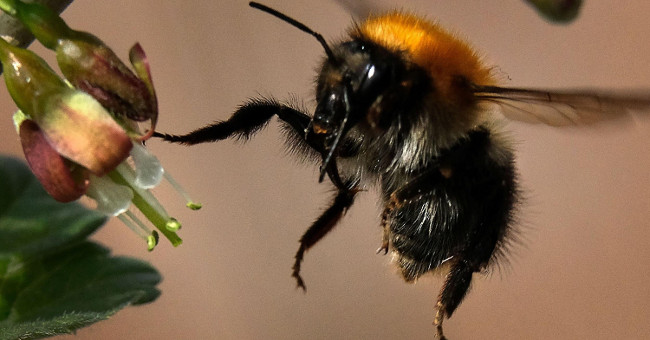
Bees and other pollinators are needed for ¾ crops in the world, but they are severely reduced in recent decades due to destruction of habitats.
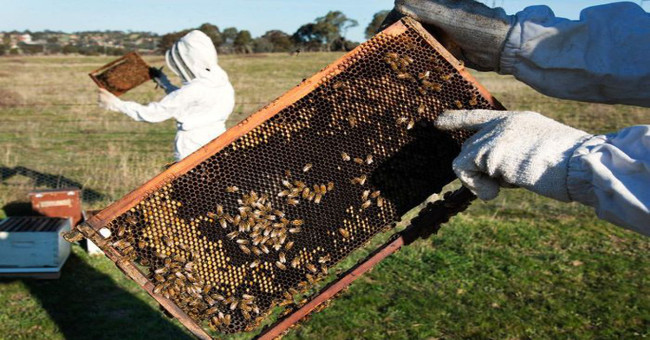
Neonicotinoid insecticides are found in 75% of global honey samples collected, half of which contain a mixture of toxic chemicals.
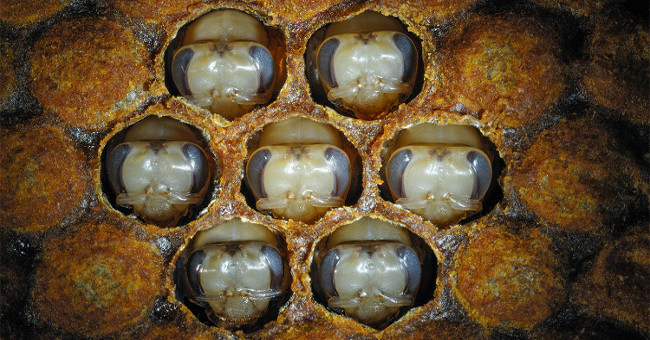
In a recent article in PLOS Genetics, scientists found that molecules in the food mixture of honey bee larvae affect their physiological changes.
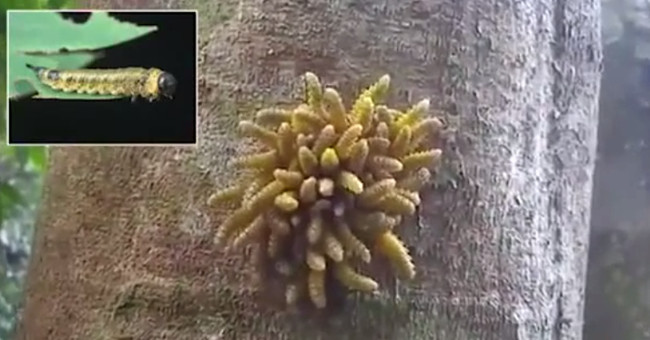
Bee larvae bite leaves clumping together, only revealing a wiggling head.