Biology
The early days of bees through the true beam of images
Have you ever wondered about bee formation and development? Photographer Anand Varma will give you the answer when you follow and record this process meticulously.
Browse ScienceInfo articles and explainers related to Bee.
207 published items.
Have you ever wondered about bee formation and development? Photographer Anand Varma will give you the answer when you follow and record this process meticulously.
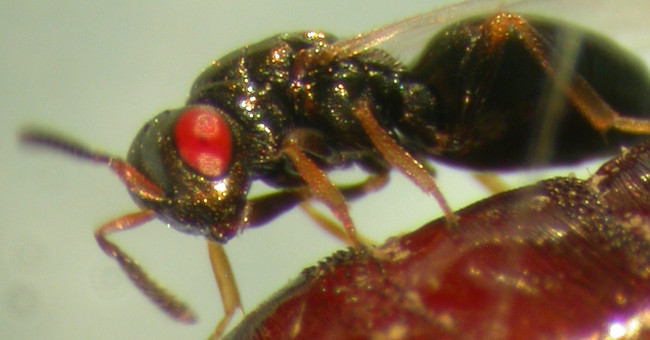
Bees with bloodshot eyes, burning like creatures from hell. But at the same time, they are important proofs of the breakthrough in genetic modification technology of hum…
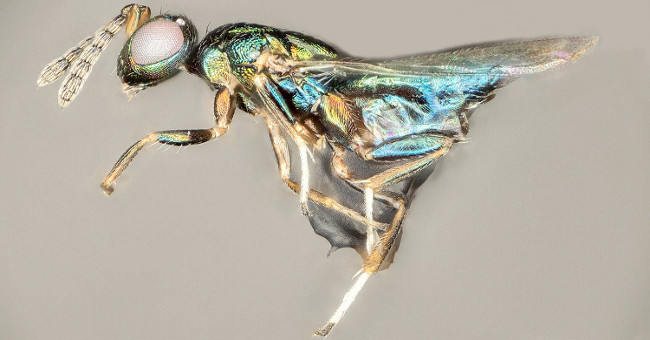
The answer to the control mechanism and the way of entry of this parasitic bee has not been clarified.
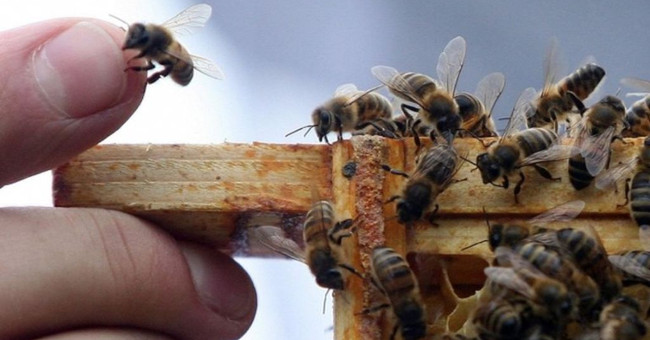
It sounds unbelievable but it seems that bees have a local language according to the area in which they live.

Bees can eat at the same time, can identify faces, or bees are experts in the field of calculation and travel ... is one of the little-known secrets about this animal.
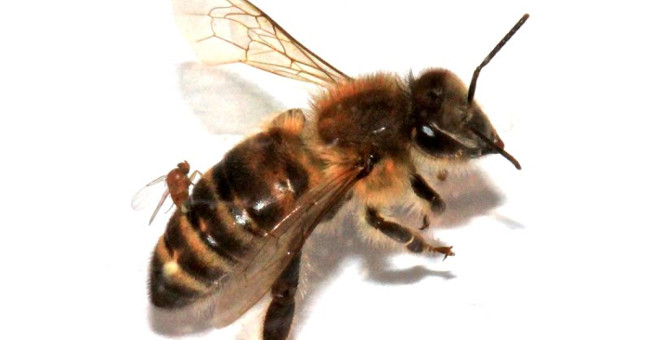
In recent years a plague has swept into the west and east coasts of the United States, the scientific community calls by name
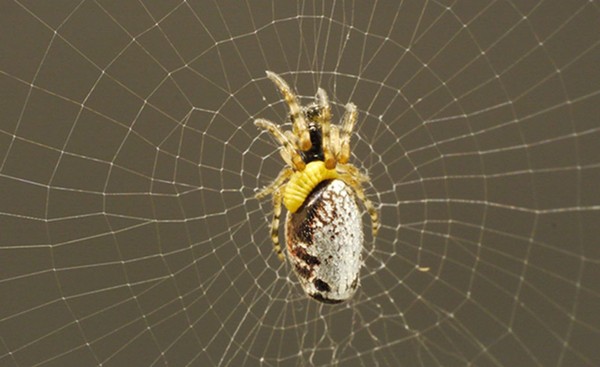
Biologists have found a mechanism to help corn bees can turn spiders into slaves, catching their nests.
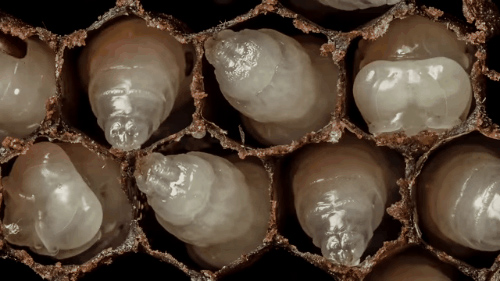
You will have a clearer view of the early days of bees through interesting short videos.
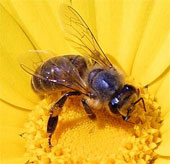
A new study found that honey bees have ancestors in Asia, contrary to the previous view that they came from Africa.
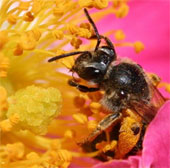
The venom from one of the world's most poisonous spiders may become a biological insecticide that kills harmful insects, but does not affect bees - one of the
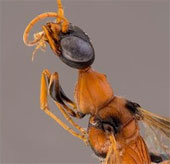
German scientists at the Museum of Natural History in Berlin discovered a kind of soulful bee that could paralyze the prey of the prey.
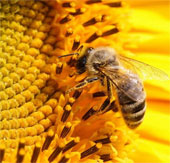
In a report published by the European Commission on April 7, Belgium is the country with the highest percentage of dead bees in Europe in the winter of 2012-2013.
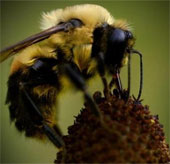
Not only does it attack the body but this zombie bee parasite also causes the host bee to move like zombies.
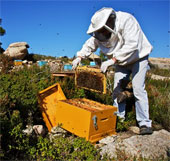
When comparing the number of beehives with bee pollination demand in 41 European countries during 2005-2010, scientists found that the number of honey bees cannot meet t…
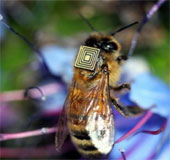
Thousands of honey bees in Australia will be scanned by scientists to track movement and prevent disease.