Space science
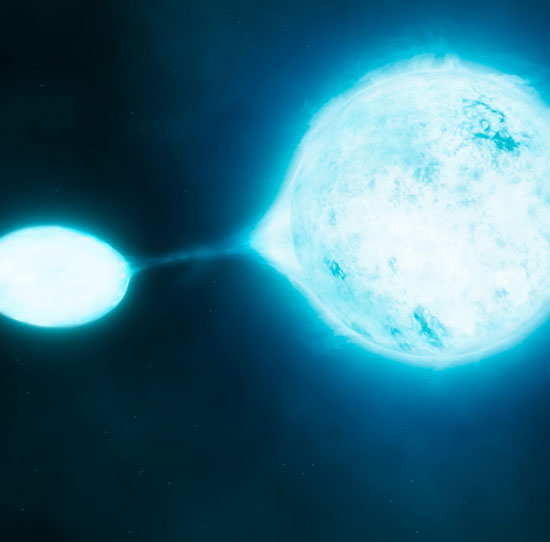
Huge 'vampire' in the universe
Like vampires in fantasy movies, super-big stars come close to other stars
Browse ScienceInfo articles and explainers related to Big.
1,229 published items.
Like vampires in fantasy movies, super-big stars come close to other stars
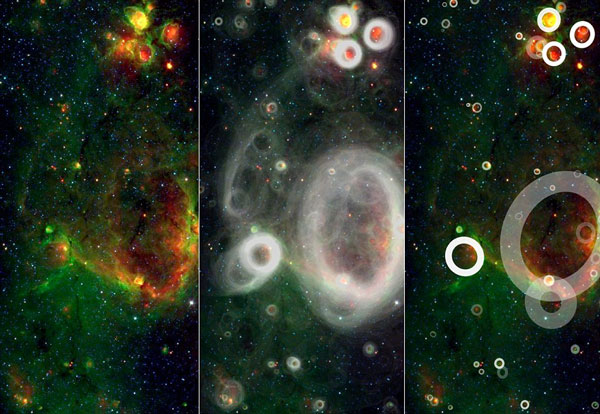
The US Aerospace Agency (NASA) has published impressive images of the universe's first fireworks display. Astronomers say these pictures show brilliant light from the Sp…
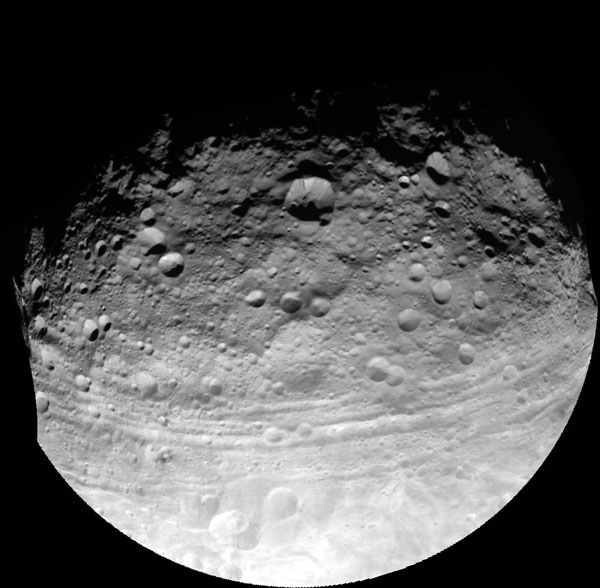
The new discovery shows that Vesta is not an asteroid but is a newborn planet exactly from Ancient times, but not undergoing accretion and evolution to join the ranks of…
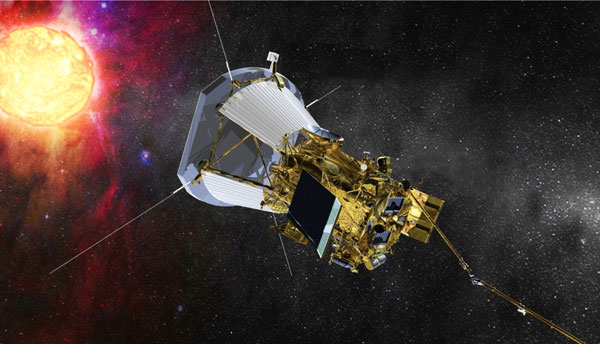
NASA experts started an unprecedented big project about studying the Sun. They will send this planet a Solar Probe Plus, a solar device close to the solar crown and work…
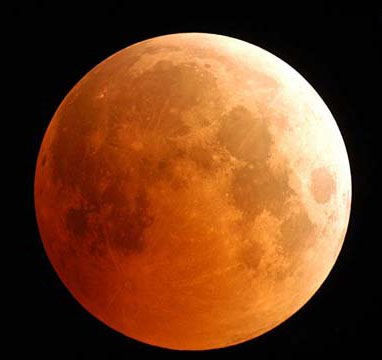
The last eclipse of 2011 took place yesterday, with the unusually large and red moon - pleasing millions of observers.
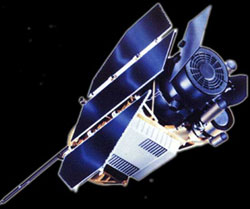
The big truck-sized satellite has plunged into the atmosphere and its debris might hit the earth today, the German space agency announced.
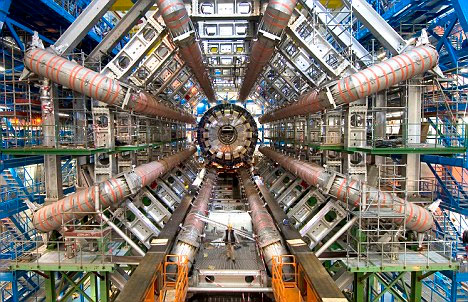
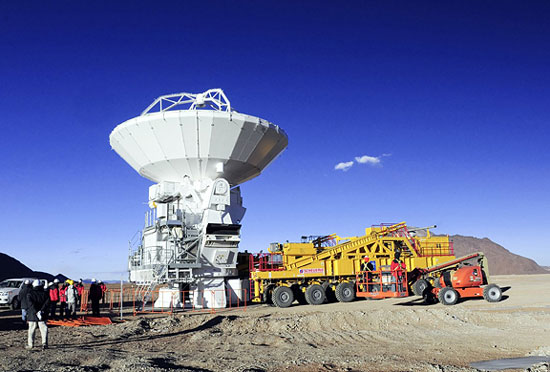
The European Astronomical Authority (ESO) on October 3 announces ALMA - the world's largest telescope, can observe the universe from dust and gas particles that form sta…
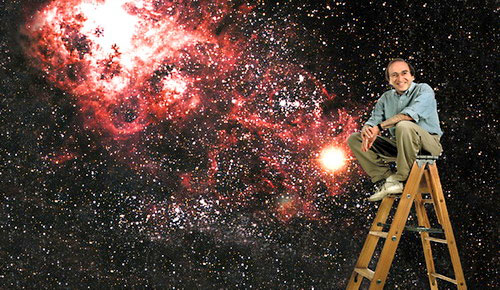
What is the ultimate fate of the universe? Almost certainly it will eradicate in frost, if we believe in the characters who won the Nobel Prize in Physics this year.
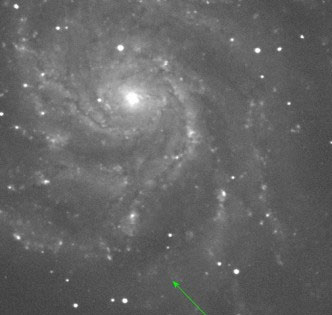
On August 25, a supernova was discovered, about 21 million light-years from Earth, closer to any supernova ever.
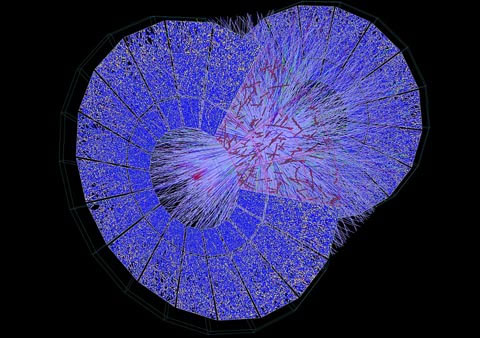
Scientists have used specialized computer software to create the most similar images of the Big Bang explosion that gave birth to the universe.
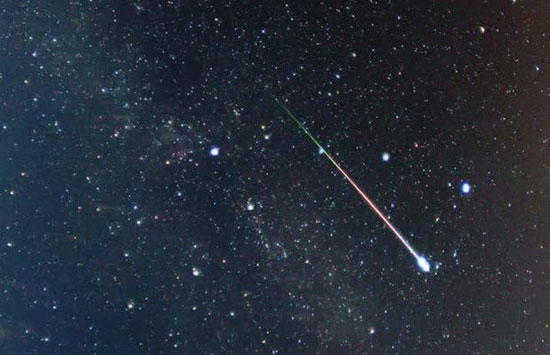
On the evening of May 10, people along the Virginia coast called 911 to report a big explosion. The US aerospace agency has said it could be a meteorite.
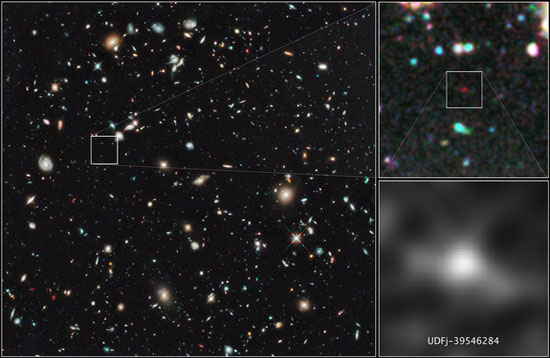
A group of international astronomers has just announced the discovery of the oldest galaxy formed from 13.55 billion years ago.
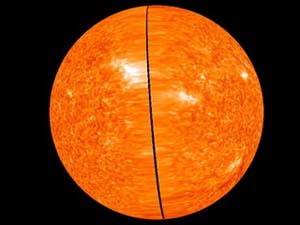
The 3D image was taken and published by two independent satellites of the US Aeronautics and Space Agency (NASA) on June 6, allowing scientists to see the entire surface…
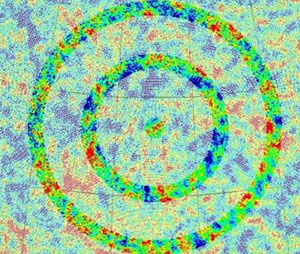
Dark circles are unusually low temperature cosmic regions. Could it be a trace of the universe before the big bang? Roger Penrose and Vahe Gurzadyan sought to prove a se…