Environment
Liquid clean fuels reduce fossil energy dependence
For the first time, scientists have overcome the difficulty of separating raw biomass without using chemicals, and have produced a record-high amount of liquid hydrocarb…
Browse ScienceInfo articles and explainers related to Bioenergy.
28 published items.
For the first time, scientists have overcome the difficulty of separating raw biomass without using chemicals, and have produced a record-high amount of liquid hydrocarb…

Energy sources on Earth are getting depleted and scientists are working on ways to create new sources of energy to replace.
Scientists have recently discovered the immense role of fungi in animal manure. They have the ability to decompose organic compounds - an extremely expensive process in…

Recently, researchers at Argonne National Laboratory (ANL), of the US Department of Energy, have created a device called a durable bioenergy reactor (EBR), which can be…

US and UK researchers have just completed the genetic mapping of tea plants, a crop that promises to bring the necessary bioenergy to human needs.

In the context of the depletion of fossil fuel sources that are increasingly depleted at the speed of human hope is expected to rely on new energy sources, including bio…
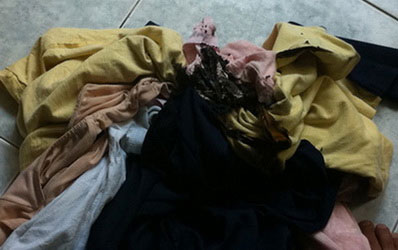
12:00 noon 18/5, the team of experts and extrasensors of the Center for Human Potential Research led by researcher Nguyen Phuc Giac Hai from Hanoi came to the house to l…

The Bill Gates Foundation invested $ 1.5 million to implement a project to process human feces into biodiesel containing methane.
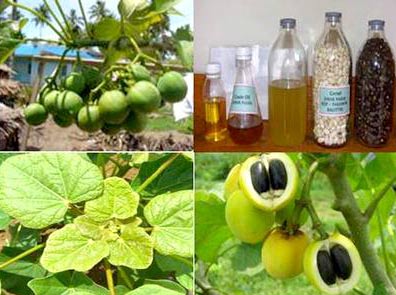
In 2009, Vietnam will launch 3 large biofuel projects and next year, many projects to produce ethanol (a fuel

On the afternoon of November 26, at Sao Viet Ecotourism Zone (Tuy Hoa City), the Center for Bioenergy Research and Application (directly under the Vietnam Union of Scien…
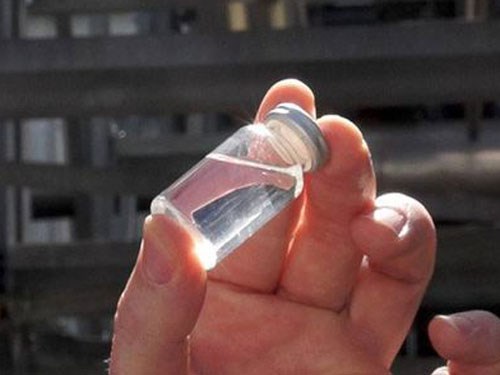
Audi has had a spectacular success when it first produced synthetic diesel fuel made from carbon dioxide and water. Recently, Audi said it would synthesize clean fuels a…

Researchers at Michigan Tech University are using insects to explore potentially dangerous environments before getting people there.

British scientists have found a way to treat bio-waste through microwaves to produce bioenergy and precious chemicals.