Biology
Use insects to control invasive grass
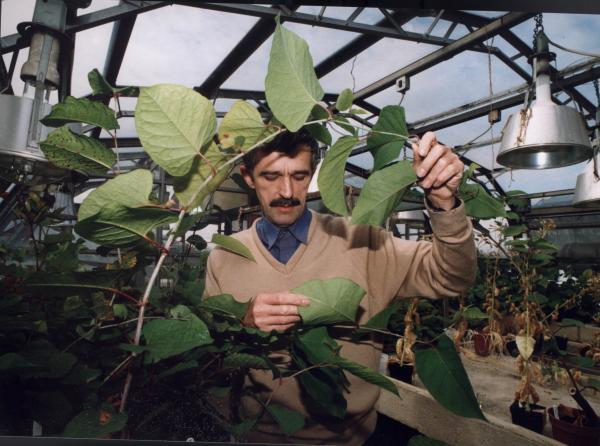
Researchers from Leicester University paved the way for the use of an insect to fight invasive grasses in British soil, a form of biological control.
Browse ScienceInfo articles and explainers related to Biological.
701 published items.
Researchers from Leicester University paved the way for the use of an insect to fight invasive grasses in British soil, a form of biological control.
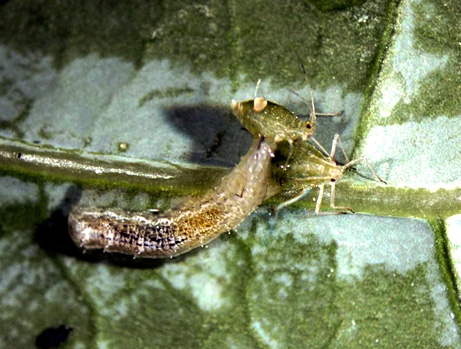
The vermin pests cause millions of dollars to farmers every year and are the cause of the widespread use of chemical pesticides, which eventually become immune to the th…

The world's first humanized camel was born at the camel reproduction center in Dubai (United Arab Emirates) weighing 30 kg.

On April 22, Korean scientists announced that they cloned a pig to get transgenic transplanted organs for humans.

Korean scientists have successfully cloned four dogs capable of emitting red light in the dark.

Isolongifolenone, a natural compound found in Tauroniro (Humiria balsamifera) in North America, is found to be able to block mosquitoes and lice.

Recently, Dr. Brent Christner found evidence of rain-producing bacteria that are widely distributed in the atmosphere.

Realizing that a geographic area has not been confirmed on Google Earth maps, British scientists discovered a new biodiversity area in South Africa.
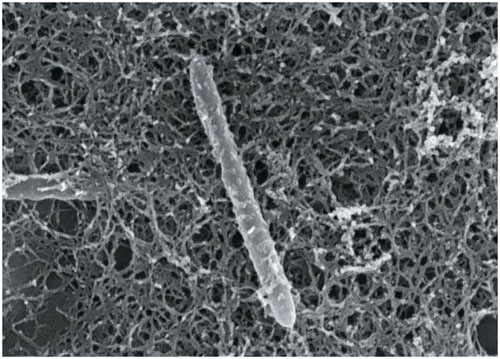
Biological experts are stunned to find a whole new strain of bacteria at a depth of 2.8 km underground.
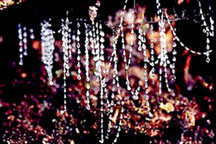
Dr. David Merritt of the University of Queensland (Australia) discovered daily biorhythms as a factor in the act of turning on and off 'lights' in glowing worms.
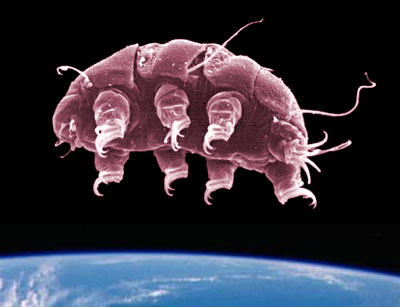
There is a small 6-foot creature with the ability to pause all biological activities in a harsh environment to survive after a trip to space. .

While scientists and physicists know what happens if you don't sleep 6 to 8 hours a night, they still haven't explained what really controls our sleeping needs. Research…
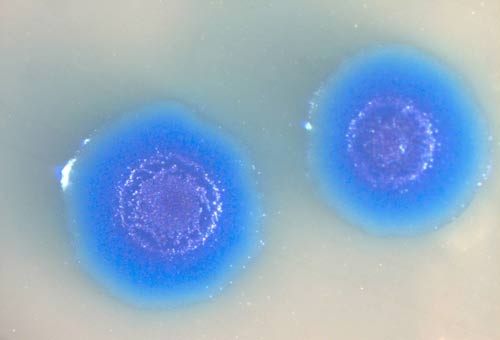
DNA is like a guide to biological life. Each species has a unique set of instructions, ie genes. Long ago, the home
Microorganisms used to have reigns on Earth, proliferate throughout every corner of the environment for billions of years before humans appeared.
Mammals have two types of light-sensitive organs in the retina. They are cone and rod cells, all needed to receive the image of the surrounding environment. However, res…