Biology
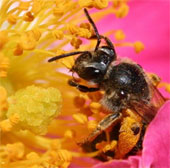
Spider venom can become the savior of bees
The venom from one of the world's most poisonous spiders may become a biological insecticide that kills harmful insects, but does not affect bees - one of the
Browse ScienceInfo articles and explainers related to Biological.
701 published items.
The venom from one of the world's most poisonous spiders may become a biological insecticide that kills harmful insects, but does not affect bees - one of the
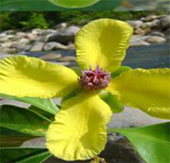
Scientists have announced three new plant species belonging to three different families in Hon Ba Nature Reserve (Khanh Hoa).
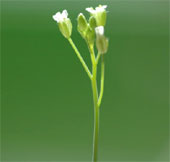
A new British study shows plants use synthetic sugar from their internal organs to determine the time of day.
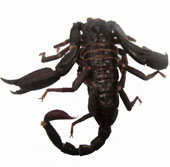
The new scorpion belongs to the family Euscorpiidae, described by the team based on specimens collected in Hua Ma cave, Quang Khe commune (Ba Be district, Bac Kan provin…
When faced with circumstances beyond control, animals, including humans, often hide when sleeping disorders or diet disorders and other manifestations of depression feel.
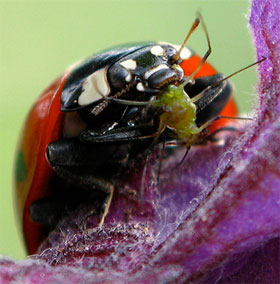
The management of a large supermarket in the US releases about 72,000 ladybirds into stores to kill the aphids.
When it comes to evolution, people still believe that this is the process you can't go backwards. However, a new study that finds evolution is not always the process of…
Superheroes' nets Spiders can actually block a running train like in a movie if it recreates what's available in nature.
According to the announcement of the International Organization for the Acquisition of Agri-biotech Applications (ISAAA), 2012 marked a record increase of 100 times in t…
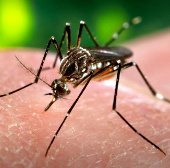
A population of Aedes Aegypti mosquitoes carrying Wolbachia biological agents will be released to Tri Nguyen Island (belonging to P.Vinh Nguyen, Nha Trang City, Khanh Ho…
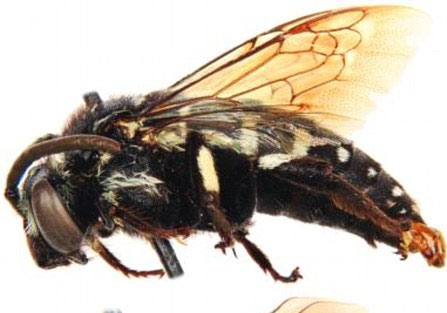
Scientists have discovered that new bees with unique biological behavior are invading the nest of other bees to lay eggs. This behavior is only seen in the cuckoo, so th…
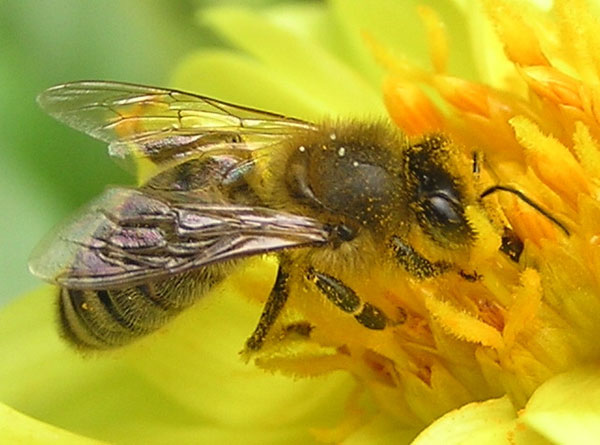
According to New Zealand scientists' findings, published in the Proceedings of the National Academy of Sciences (NASP), honey bees can be a clue for scientists to find t…

Researchers from Edinburgh University, Scotland (UK) have discovered a plant gene that can control the activity of flowers in the night.
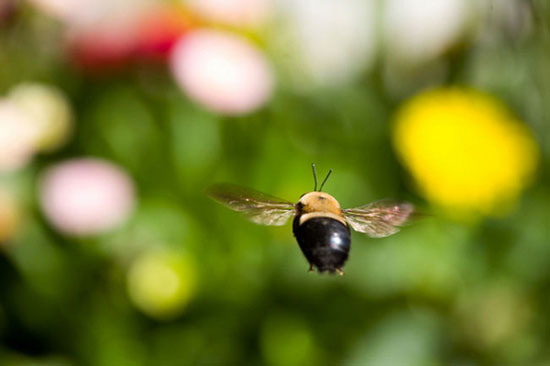
Biologists from the Queen Mary School of Chemical and Biological Sciences at the University of London found that bees can calculate the best route between flowers.