New technology
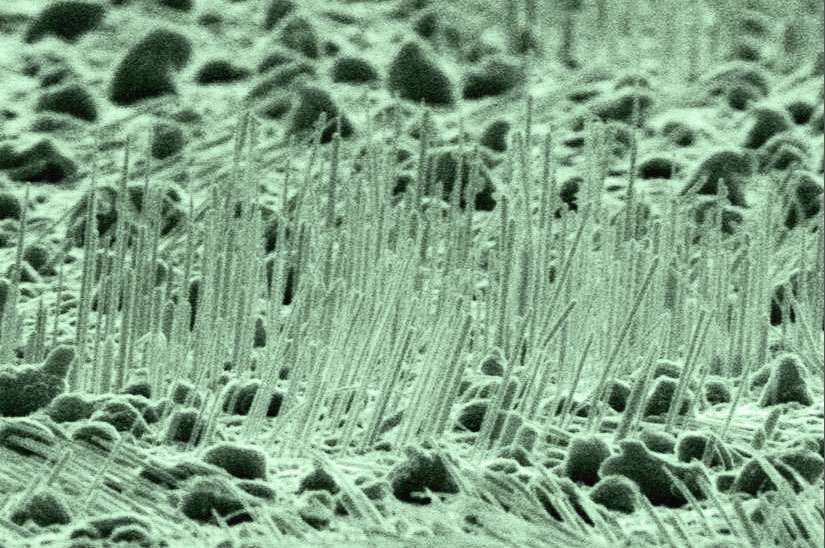
Fabrication of biological sensors from UNCD nanowires
Scientists at the Center for Nano Materials, Argonne National Laboratory, have successfully cut thin diamond nanoparticles (UNCD) into nanowires.
Browse ScienceInfo articles and explainers related to Biological.
701 published items.
Scientists at the Center for Nano Materials, Argonne National Laboratory, have successfully cut thin diamond nanoparticles (UNCD) into nanowires.
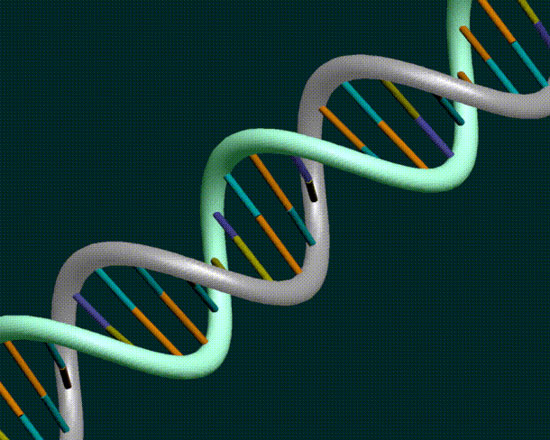
Researchers at Imperial College London, United Kingdom, can build bi-logic gates that will be used in complex digital biometric devices in the future.
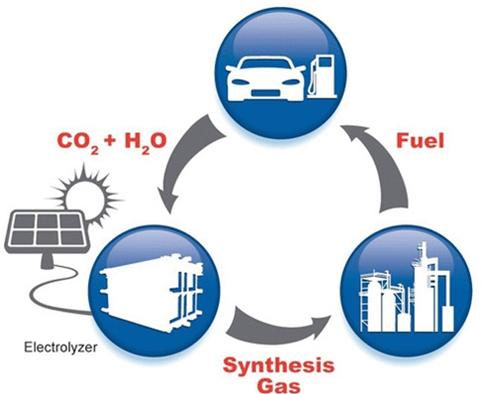
The team of scientists led by Paul Kenis, a professor of chemical and biological engineering at the University of Illinois, USA, teamed up with Dioxide Materials researc…
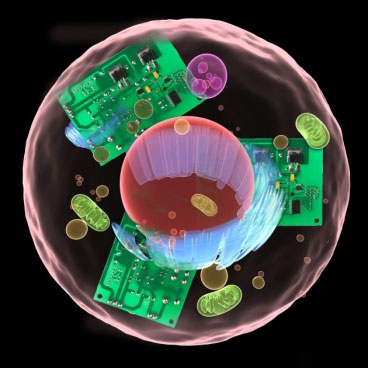
Using analog circuits, rather than digital ones, scientists can easily build simulation models of biological systems efficiently and accurately.
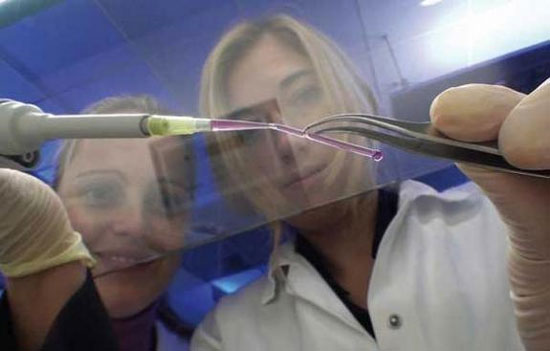
Scientists hope a new technique for printing artificial blood cells will soon become an important tool to aid efforts to save lives.
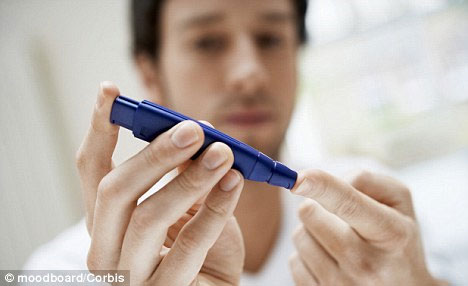
From predicting the development trend, human evolution, predicting the risk of disease ... to the predictions of human life expectancy through genetic analysis, there is…
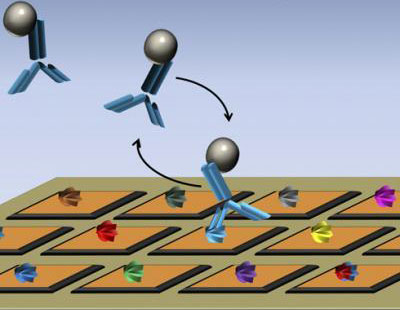
Researchers at Stanford have developed a new biosensor microchip that can accelerate the development of therapeutic drugs.
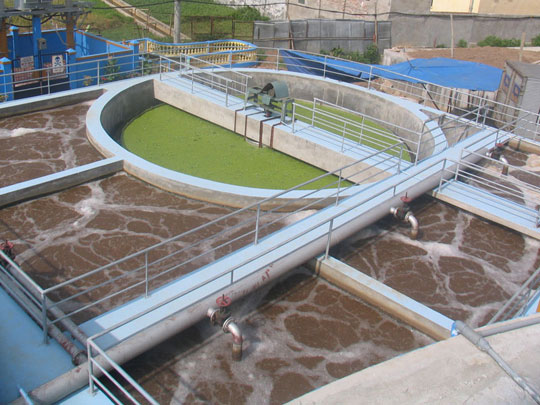
Japanese scientists have created microencapsulated capsules and absorbing drugs to extract rare metals from waste water.
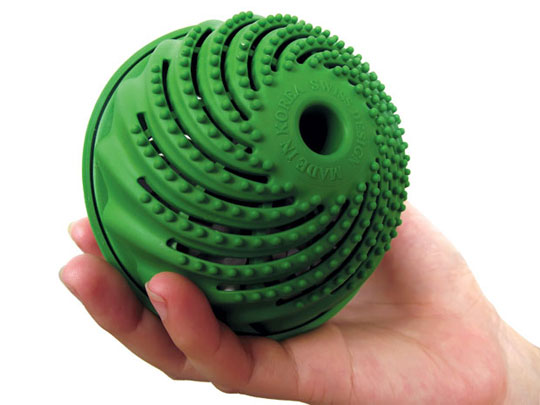
More and more new inventions and applications with the criteria to protect the environment. The market has a kind of 'biological washing ball' ...
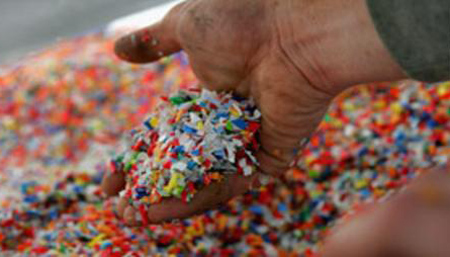
Japan's NEC Corporation has announced for the first time that a plastic made from biological waste is a shell of cashew nuts.

A special flower is 'planted' in the garden where when someone breaks in, 'flowers' will collect images and transfer them to your computer, announcing the presence of st…

Researchers at Stanford University are developing nanoscale chips that can detect early biological markers of cancer in humans.

US scientists say they have successfully built a bio-battery battery that is no different from the existing rechargeable batteries on the market.

A man who lost his sight 30 years ago says he can now see after being fitted with a biological eye.
Imagine insect robots watching foot soldiers in rugged mountain terrain, conducting bomb attacks and identifying nuclear or biological weapons. This may sound like a sci…