Space science
The 'newborn' of the universe
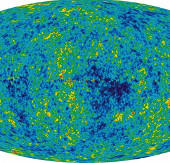
Astronomers have just released a new image of the universe, when it was 375,000 years old.
Browse ScienceInfo articles and explainers related to Birth.
1,007 published items.
Astronomers have just released a new image of the universe, when it was 375,000 years old.

Two prestigious scientists around the world said they have just discovered evidence that the universe existed before the Big Bang. This statement is shaking the scientif…

Astronomers first observed the formation of a black hole when tracking a supernova 50 million light-years from Earth.

Astronomers have discovered a special star-making machine - a distant galaxy that is spewing out stars at amazing speeds, about 1,000 to 4,000 stars every year.
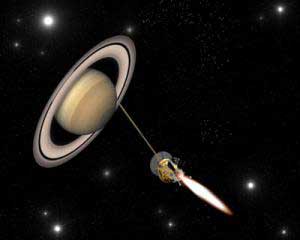
Scientists from the US Aeronautics Agency (NASA) confirm the accuracy of scientific forecasts about birth and answer many mysteries about the ongoing expansion of the un…

Astronomers have discovered what they believe is about to be the birth of the smallest solar system: from astronomical observations from the ground as well as from space…

Mac Dinh Chi is one of the talents in our country's history. He was conferred the bourgeois state.
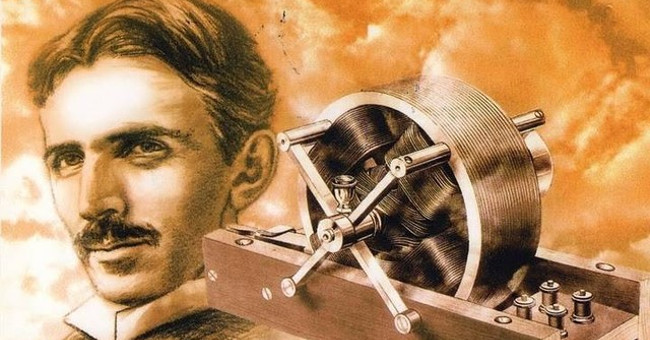
Tesla is known for many revolutionary contributions in the fields of electricity and magnetism in the late 19th century and early 20th century.
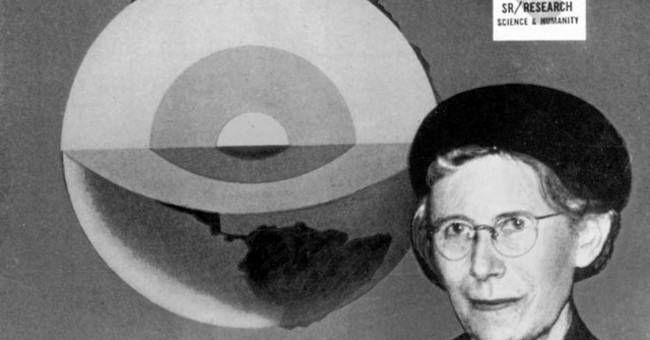
Inge Lehmann (May 13, 1888 - February 21, 1993) is a famous Danish seismologist. She is the one who has the ability to detect Earth's Inner Core.

March 26 every year is the anniversary of the establishment of Ho Chi Minh Communist Youth Union, reviewing the birth history and meaning of Ho Chi Minh Communist Youth…

Notable scientific events take place on January 8 in history.

Not only founding the most powerful Mongol empire in human history, Genghis Khan also left great military, political and religious achievements for descendants.

Scientists have recently found a way to give birth without using a mother's egg, using skin cells to fertilize
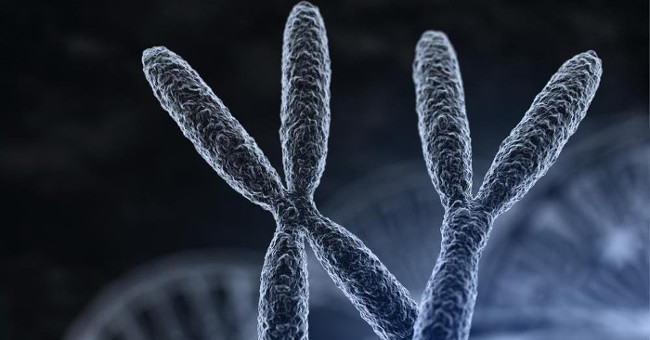
The DNA of a caveman virus that lived 1.5 million years ago could block the X chromosome, increasing the male sex ratio in the fetus.