
ArcheologyThe giant tyrant dinosaur can crush prey bone thanks to the bite force and the pressure of the teeth is terribly strong, enough to crush three cars at the same time.
December 17, 2018

ArcheologyThe latest research shows that residents living in the Huaca Prieta region in Peru 15,000 years ago have very similar customs and diets.
December 17, 2018
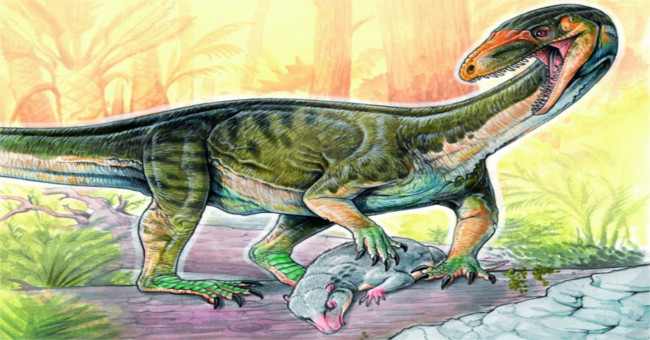
ArcheologyBefore the dinosaurs took over the Earth, their crocodile-like cousins walked in what is now Tanzania.
December 17, 2018

ArcheologyHandmade 13cm long bone fragment, originating about 44,000 years ago found in Australia has many characteristics like modern nose piercings.
December 17, 2018

ArcheologyA recent discovery shows that bacteria have existed on Earth for 3.7 billion years ago, after 1 billion years since the Earth was formed.
December 17, 2018

ArcheologySeeker reports, Emily Lesser, University of Virginia graduate student, Polytechnic University, USA describes the new creature named Vivaron haydeni in a study published…
December 17, 2018
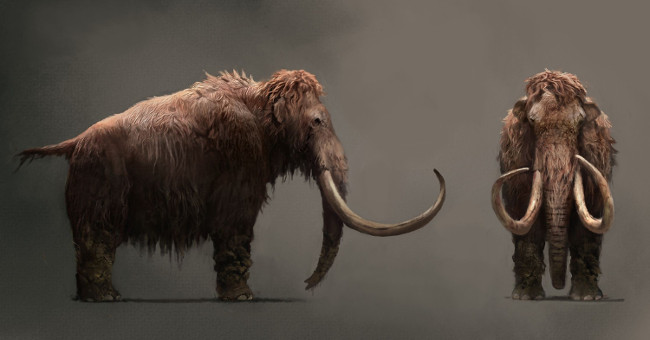
ArcheologyWe often see in sci-fi movies, scientists easily revive animals that once extinct millions of years ago with only one drop of fossil remains.
December 17, 2018
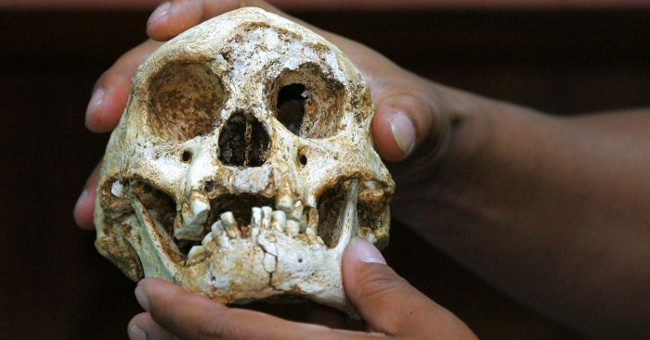
ArcheologyAn Australian team found many hobbit fossils in the island of Flores, Indonesia, that adds to human evolution.
December 17, 2018

ArcheologyNew research by Italian scientists indicates the long-life secret of the medieval Temple knights is in the unique diet of this line of power and mystery.
December 17, 2018
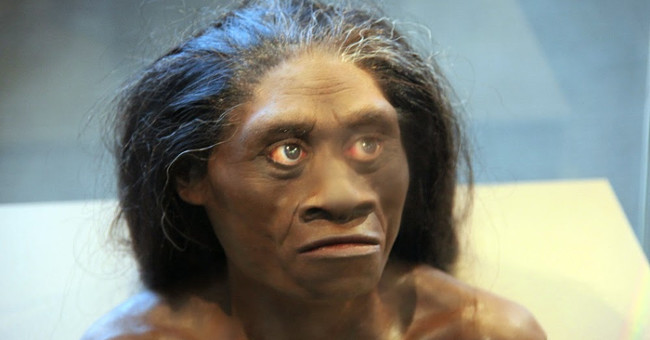
ArcheologyAccording to a recent study, prehistoric dwarfs who lived in Indonesia many thousands of years ago may have been wiped out by the first modern humans.
December 17, 2018
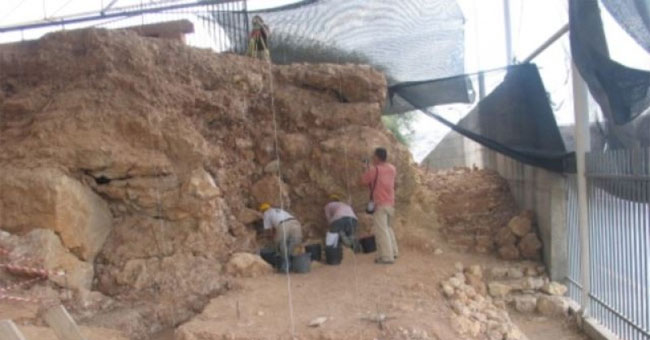
ArcheologyIsraeli scientists have discovered that prehistoric people in the Qesem cave in this country have tried to diversify the food they earn.
December 17, 2018

ArcheologyScholars at the University of Manchester, England, rejected the Cleopatra hypothesis, the beautiful and powerful queen in ancient Egyptian history, killed by snake bites.
December 17, 2018
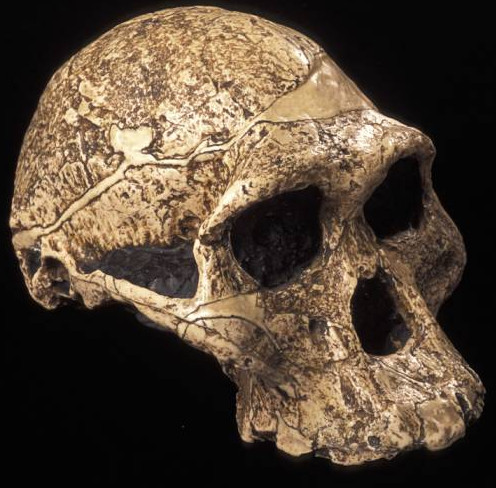
ArcheologyHumans have existed with some of the others, but so far we are the only species alive on Earth.
December 17, 2018
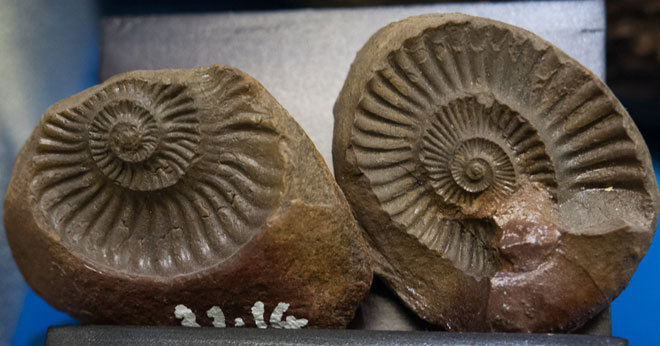
ArcheologySpecimens with thousands of years of lifespan reflect the evolutionary history of the earth's crust from early childhood. Each specimen bears its own mark on the process…
December 17, 2018
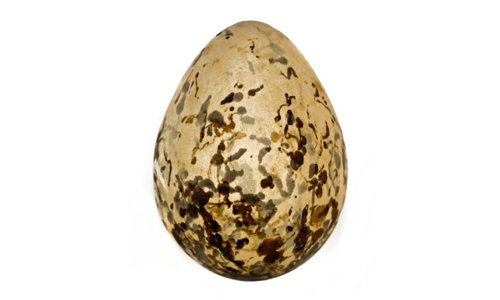
ArcheologyA museum manager happened to see an egg in a drawer, discovered it was collected over 100 years ago and left in the archive.
December 17, 2018