
New technology
Technologies that are helping us
People are always looking for ways to not die. It is a strong survival instinct. Everyone wants to eliminate all illnesses and prolong life.
Browse ScienceInfo articles and explainers related to Body.
5,429 published items.
People are always looking for ways to not die. It is a strong survival instinct. Everyone wants to eliminate all illnesses and prolong life.
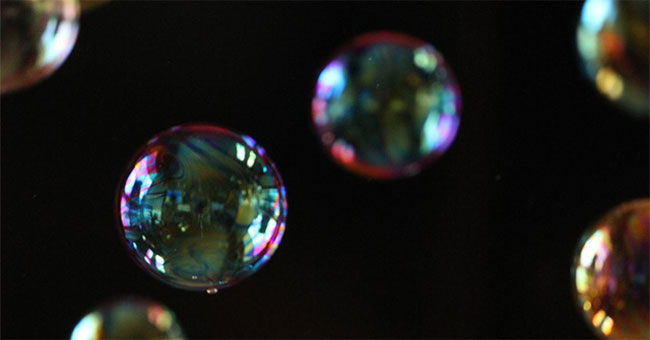
These bubbles have a lifetime of tens of minutes.
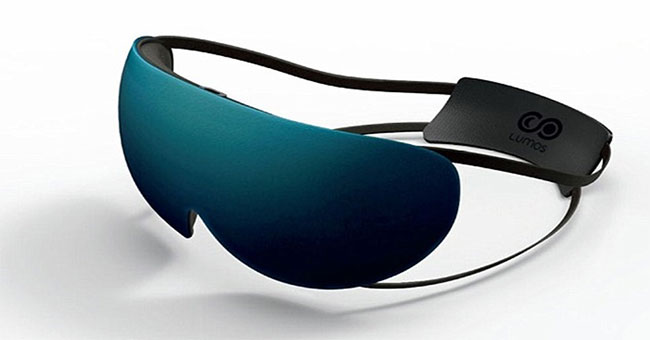
This high-tech sleeping visor uses flash technology to adjust your daily bio-rhythm by sending pulses of light when you sleep.
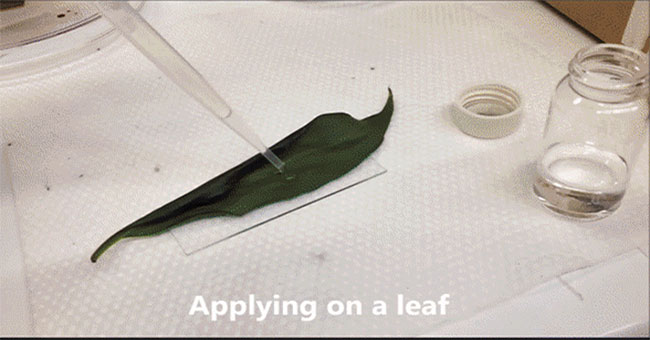
Scientists from the Massachusetts Institute of Technology (MIT) have successfully built a robot that can power itself without a battery just as small as a human egg cell.
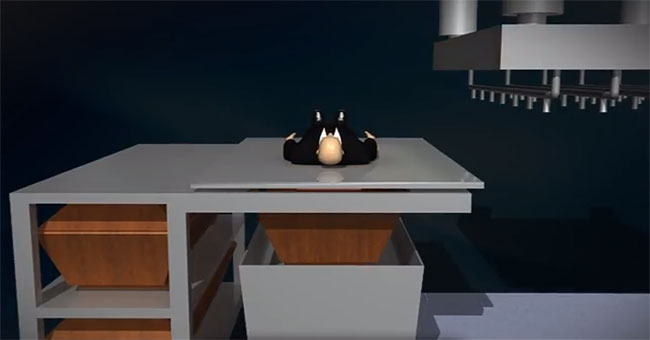
Normally, when a person dies, one is traditional burial (burial), and the other is to be cremated (cremated).
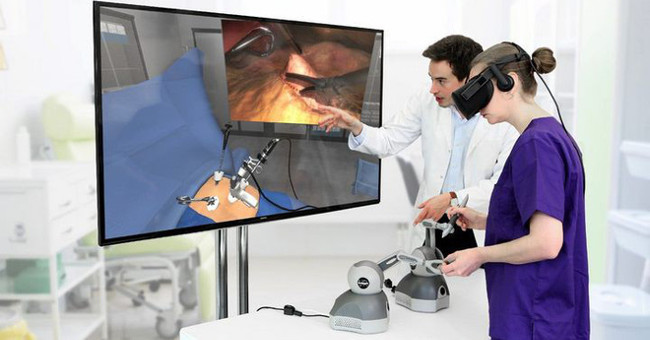
Donated corpses for medicine are not always available. Meanwhile, the medical community is in desperate need of them to serve human body training and anatomy.
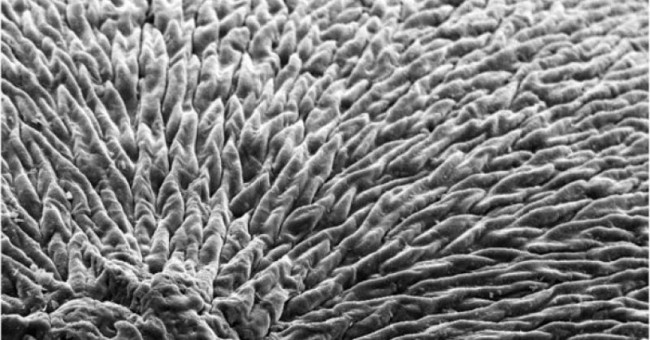
Enamel is the hardest bone tissue, difficult to be affected in the body, allowing teeth to work and withstand continuous pressure from chewing, biting ...
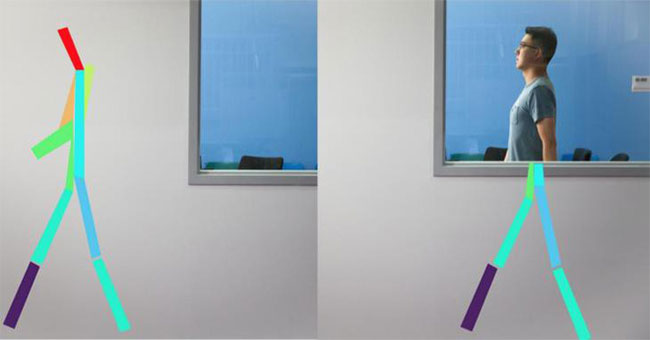
This technology uses radio waves to sense your position, then recreates your body image in the form of simple human dolls called RF-Pose.
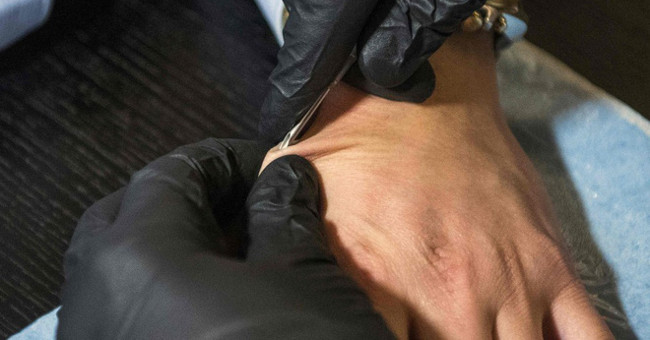
Microchip implants were first performed in Sweden in 2015. And since then the people of this country have become more and more familiar and excited about this technology.

According to Technology, robots use the body's reaction mechanism to heat to create thrust and move in water. As a result, the robot does not need to use any motor or po…
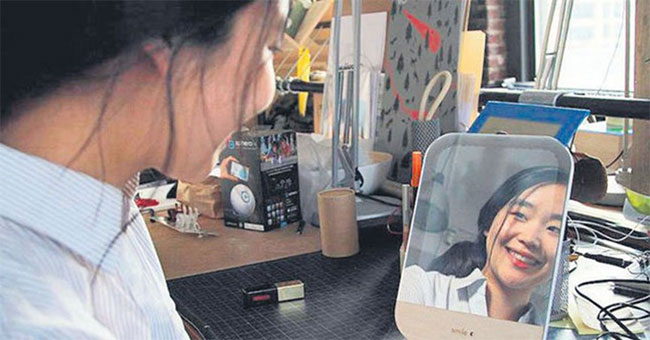
This humane invention has a milky-colored surface, which is equipped with a camera and uses facial recognition technology to determine the smile of the viewer.
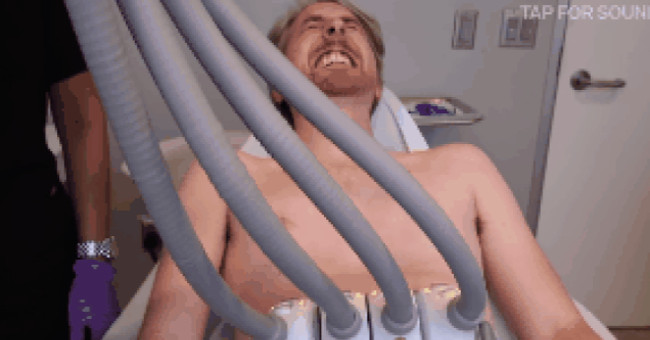
Everyone wants to have a beautiful body. If it is not nice then at least slim, mi is enough.
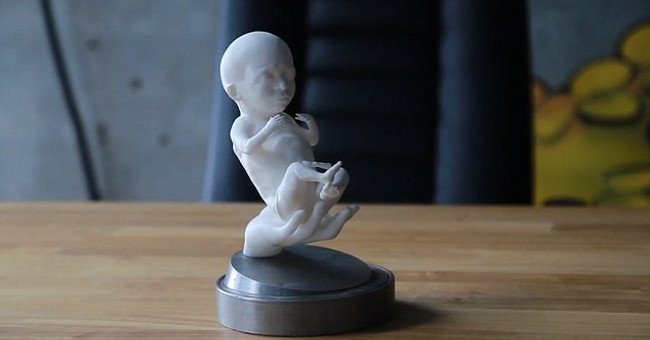
This pattern can be used to give parents a general view of the baby or it can be used to find abnormalities on the baby's body if available.
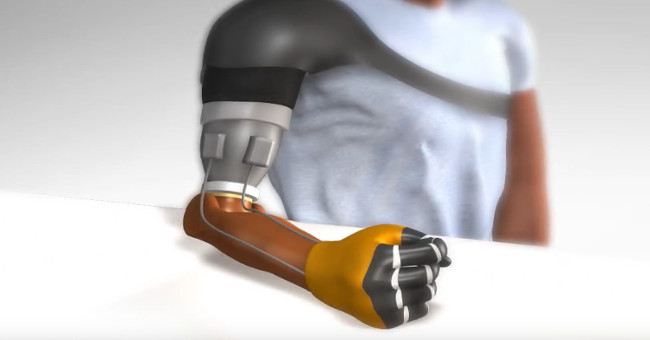
This study, published in the journal Science Translational Medicine, is a big step in creating prosthetic limbs with full ability to function as a true genus.
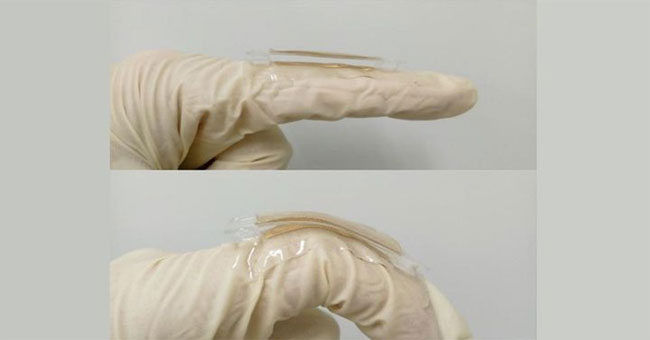
Researchers have developed a small device made of gold and silicon that attaches to the body and can generate electricity by stretching or performing other simple moveme…