
Medicine - Health
Foods that are harmful to children's brain development
Bottled fruit juices, instant noodles, carbonated drinks ... contain many artificial colors, preservatives and a lot of sugar, which is harmful to children's brains.
Browse ScienceInfo articles and explainers related to Brain Development.
13 published items.
Bottled fruit juices, instant noodles, carbonated drinks ... contain many artificial colors, preservatives and a lot of sugar, which is harmful to children's brains.

Scientists from University College London have revealed why we hiccup and why this annoying habit is so important - especially for children.

17 million children worldwide are living in air pollution 6 times more than regulated.

This achievement can help researchers develop larger human brains. In the future, they hope to use this brain cell to treat stroke patients.
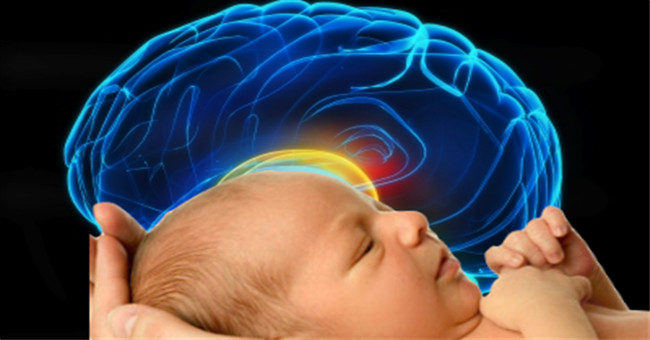
The fastest speed changes occur immediately after birth, the infant's brain grows at an average rate of 1% / day.

Research by American scientists found a direct link between family income, educational background and brain size of growing children and teens.
The discovery of arrays of brain cells is markedly altered in children with autism revealed, the disease is more likely to begin in the fetus from birth, in brain develo…
Contrary to what many people think, researchers find our brain takes 25 years to complete the development process.
Scientists from the University of Cambridge (UK) said: The ability of the human brain has reached the limit, the laws of physics and physiology do not allow to increase…
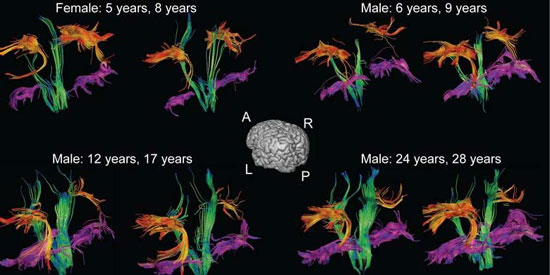
The human brain is constantly developing in adolescence, but it continues to grow well even if people enter the age of 20, not everyone knows. This is the result of a re…

An Australian research group has demonstrated that giving premature babies an omega-3 fatty acid can prevent mental retardation.

Recently, a survey of Young Minds Association, UK, said that 80% of adolescent drug users had side effects such as paranoia, dementia. mind.