Archeology
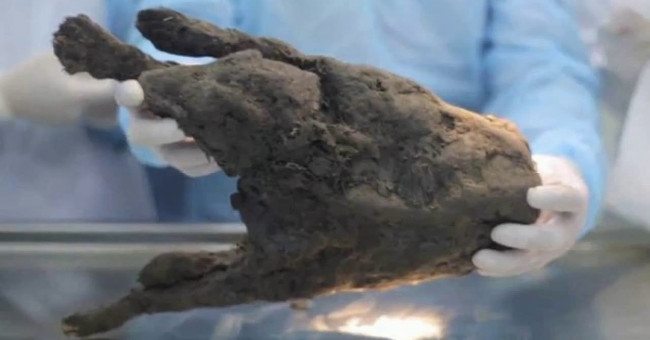
Defrost the dog's mummy 12,400 years ago to revive
Scientists recently thawed the mummy of a puppy thought to be extinct 12,400 years ago and found it in thick ice in Siberia.
Browse ScienceInfo articles and explainers related to Breed.
681 published items.
Scientists recently thawed the mummy of a puppy thought to be extinct 12,400 years ago and found it in thick ice in Siberia.
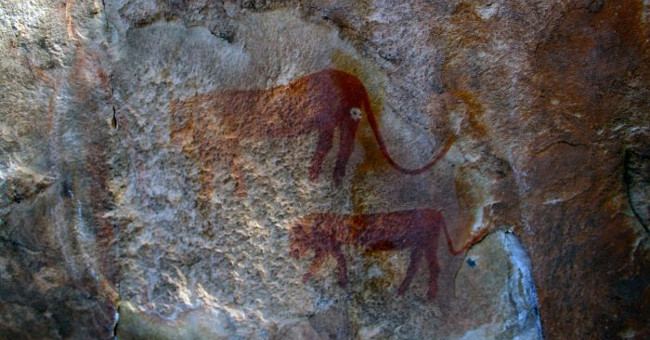
Within 15 years of research, scientists were not convinced that such bison had wandered on Earth ...

Scientists are trying to revive the European bison (Auroch), an animal that has been extinct, and bring it back to nature.

The ancient Neanderthal breed has left modern humans (Homo sapien) not only some good genes against disease, but also their allergies.
Before extinction about 40,000 years ago, the ancient Neanderthals lived side by side with modern humans in Europe for about five millennia.
Scientists have excavated the fossil 250 million years of a giant prehistoric animal that died while giving birth.
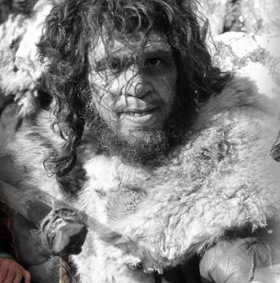
Professor George Church from Harvard Medical School, believes that he could reconstruct the DNA of the ancient Neanderthals and revive the extinct breed 33,000 years ago.

New England University experts at Armidale studied ancient DNA (called DNA mitochondria) in 48 ancient chicken bones and found similar traces present in chickens everywh…
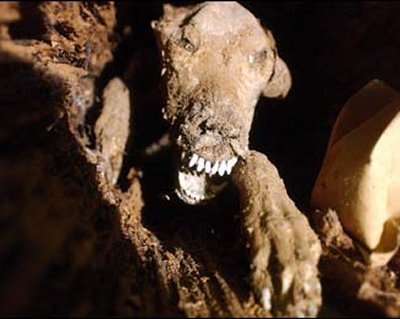
Peruvian archaeologists found six mummies of 15th-century dogs - considered religious offerings in the southern capital of the country.

A recent study shows that more than 10,000 years ago most British were descendants of farmers migrating from Iraq and Syria.

A chicken egg that is 600 years old from the Ming Dynasty has just been found in Shandong Province, China.
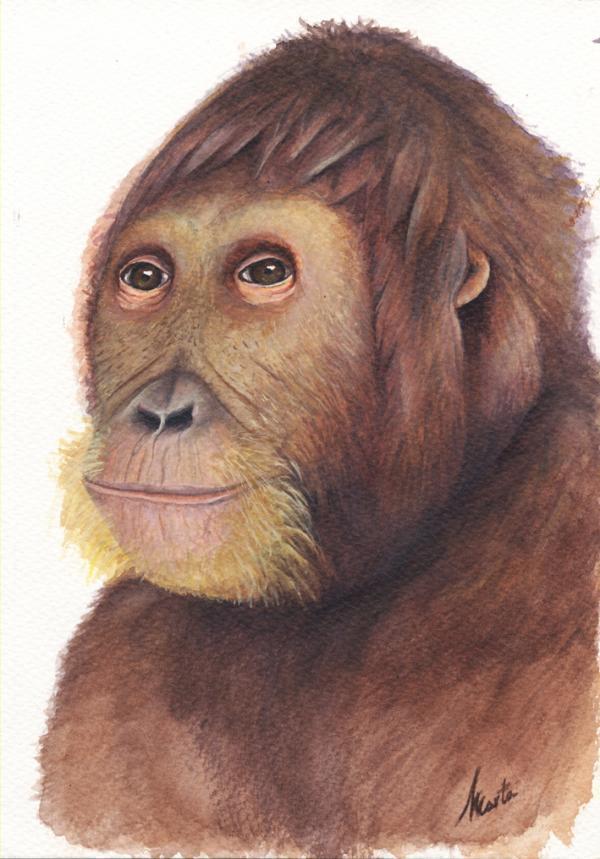
Scientists in Spain discovered the jaw bone and fossil face bone of a gibbon breed that lived in the Middle Miocene, about 12 million years ago.
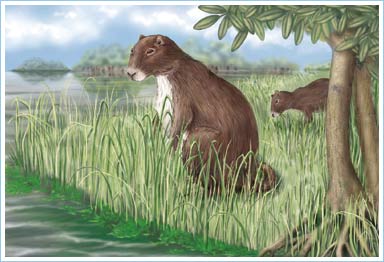
8 million years ago, in the South American region, there was a hamster breed with a large body like buffaloes and cows and was named Phoberomys pattersoni by scientists.…
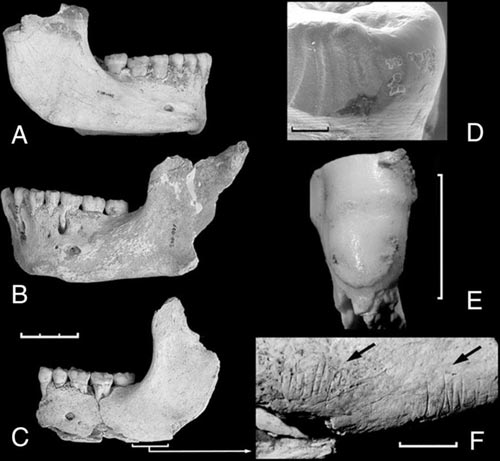
Neanderthal is an ancient breed of man who made tools, used to live in Europe, Near East, Central Asia, North Africa and possibly western Siberia more than 100,000 years…
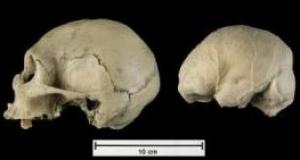
This new study has proved completely and convincingly that the skull of a woman discovered in Flores, Indonesia in 2003 is not the skull of a breed.