Space science
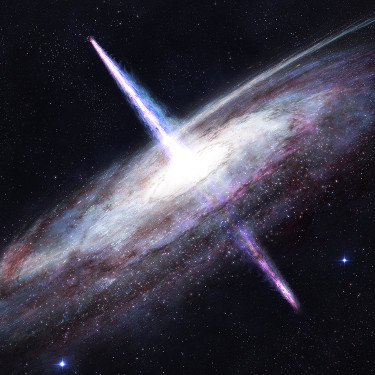
Why can black holes glow?
The fact that some concentrated black holes exceed even the stars around them, can be seen clearly in the Hubble telescopes.
Browse ScienceInfo articles and explainers related to Brightness.
67 published items.
The fact that some concentrated black holes exceed even the stars around them, can be seen clearly in the Hubble telescopes.
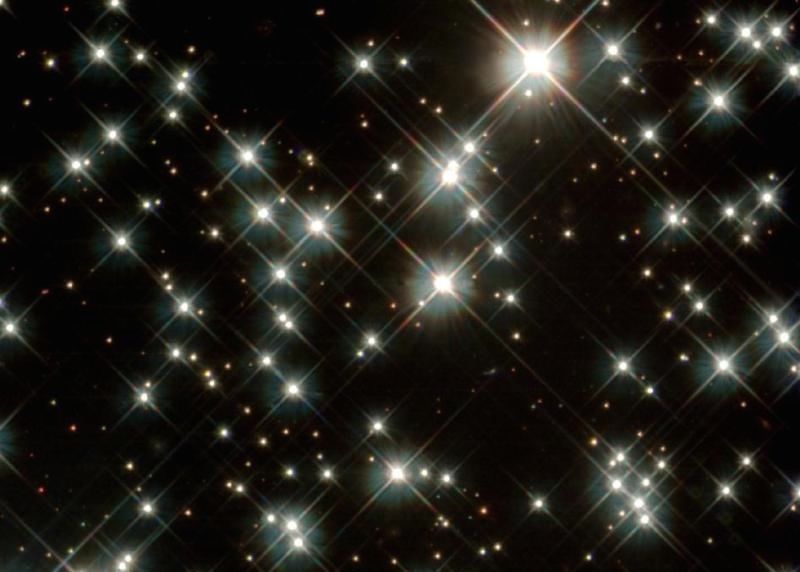
When we look up at the starry sky, we will discover that, among countless stars, there is a light, a dark one, their brightness is very different.
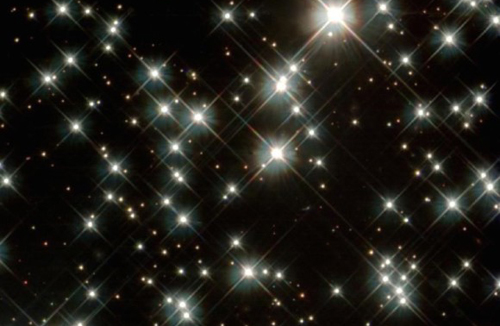
The Sun is just one of many stars in the universe, hidden mysteries waiting for people to discover.
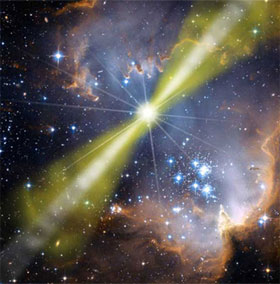
According to four articles published in the American Journal of Science, scientists observed the explosion of GRB 130472A with both the telescope and ground-based telesc…
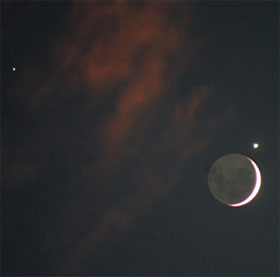
Astronomers will have the opportunity to admire the moon, Venus and Mercury in the night sky on June 10.
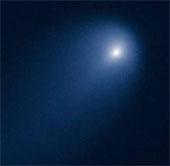
Hubble took the first close-up picture of ISON, the name of the comet, on the evening of April 10 - when comet was about 630 million kilometers from Earth, National Geog…
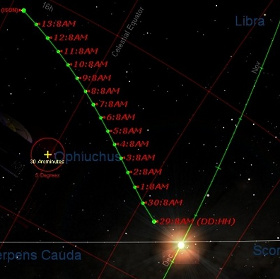
Astronomers believe that ISON, comet will appear on November 28, 2013, the brightest ever.
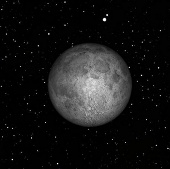
In fact, the full moon is a fast happening phenomenon. And in this December, the moon will be round, big and brightest from 5:21 am tomorrow morning (December 28).
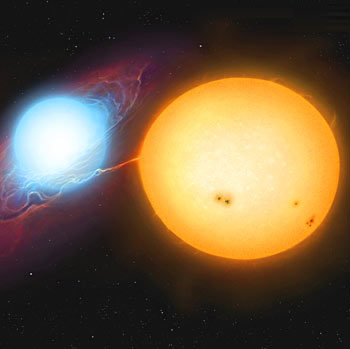
Belonging to the constellation Majestic (Perseus), Algol has been called the 'demon star' since ancient times. Algol's name is derived from the word al-ghul, meaning 'fe…

Physicists all over the world on November 16 launched an important program to turn the Large Grain Accelerator (LHC), which is now in a 27km long tunnel near the Swiss-F…
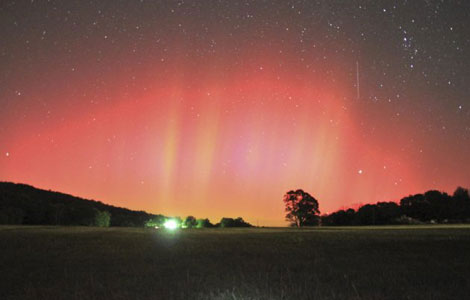
Unusual high brightness aurora bands appear in areas far from the Arctic to the south on the evening of October 24 due to a magnetic storm.
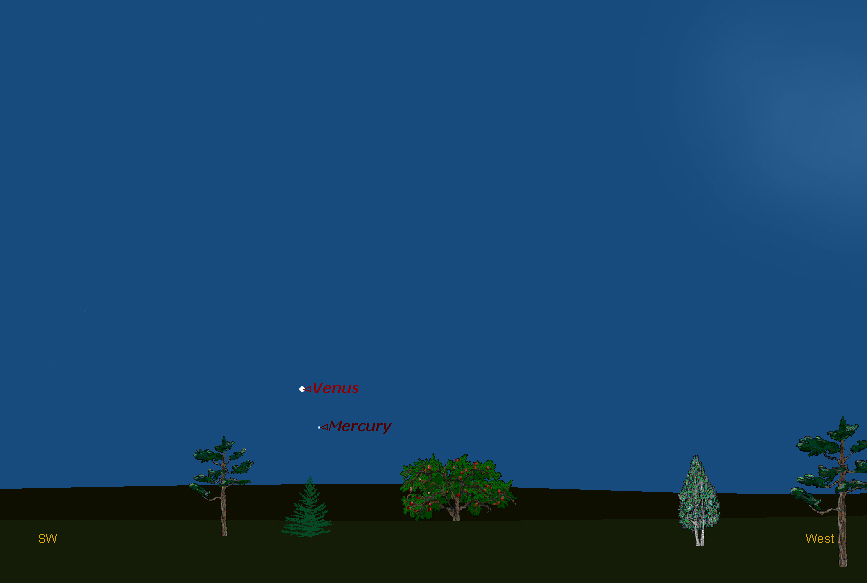
On August 18 Venus passed through the sun (seen from Earth) and since then, it has become invisible when obscured by the bright light of the sun.
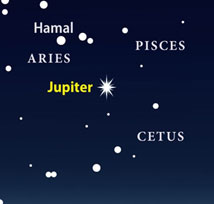
Tonight, Jupiter will reach its maximum brightness in the year. This is an opportunity for astronomers to see clearly the largest planet of the solar system.
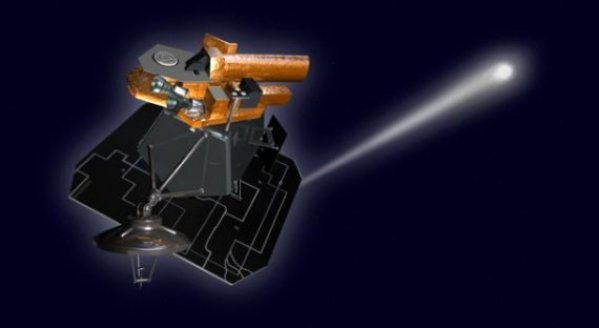
According to astronomers, comet Hartley 2 and Earth will have a close encounter this month.

The Royal Astronomical Society of England said on April 14 that scientists from the University of Manchester have discovered a