
Biology
New discovery about cancer detection ability of bees and dogs
Scientists in the US say that recent studies have discovered that animals such as bees and dogs have the ability to detect cancer.
Browse ScienceInfo articles and explainers related to Cancer Detection.
28 published items.
Scientists in the US say that recent studies have discovered that animals such as bees and dogs have the ability to detect cancer.

A device developed by Zhejiang University (China) correctly identified people with lung cancer in a recent test.
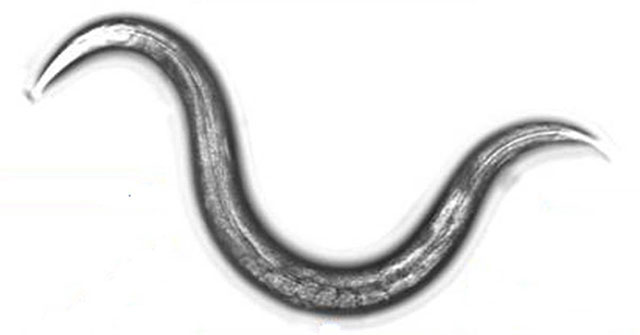
The cancer screening kit, based on the ability of a nematode to smell cancer cells in urine, costs $ 90.

The machine can detect liver cancer, rectal, prostate, uterus, ovaries, digestive organs such as the pancreas and gallbladder.
A Portuguese designer has created a device that can detect cancer using honey bees.

Some animals have sharp senses that help them know in advance of a catastrophe or detect cancer that astoundes scientists.

Scientists hope to develop a special electronic nose like the dog's nose to detect cancer in the future.

Experiments have demonstrated that the hunting dog named Marina has the ability to detect cancer signs with very high accuracy.

The bizarre chamber with the human hand poking out looks funny but promises to help repel testicular cancer - a form of cancer that attacks young men.
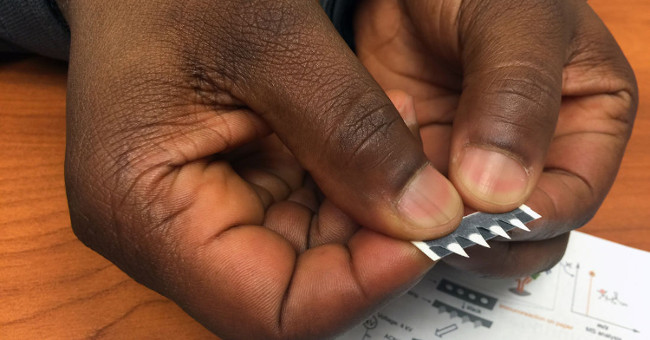
American scientists have developed a device capable of detecting cancer for about 20,000 VND.

Recently, on social networks, there is information about selling test strips for cancer detection. Due to worries about health, many people have spent money to buy this…
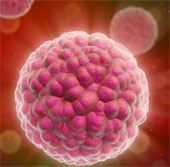
Scientists at Stanford Medical University (USA) have discovered a new method that can detect cancer in the early stages with a micro-DNA sequence.

Recent research by American experts opens new steps in detecting and preventing cancer early.
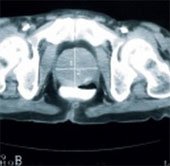
According to research published on the CTV news network of scientists at Ryerson University in Toronto, they used microscopes with ultrasound and laser technology to det…
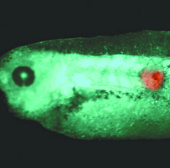
Biologists at Tufts University School of Arts and Sciences have discovered a bioelectric signal that can identify cells that are likely to grow into tumors.