Discover science
The mineral that took scientists more than 200 years to recreate
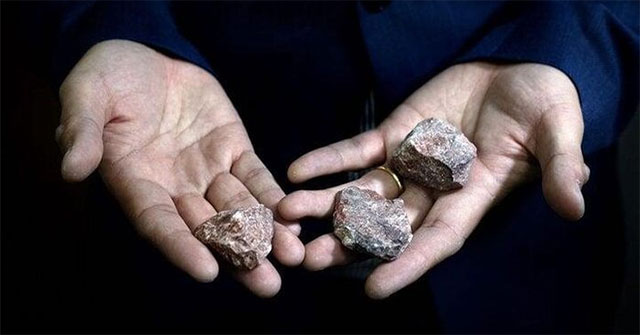
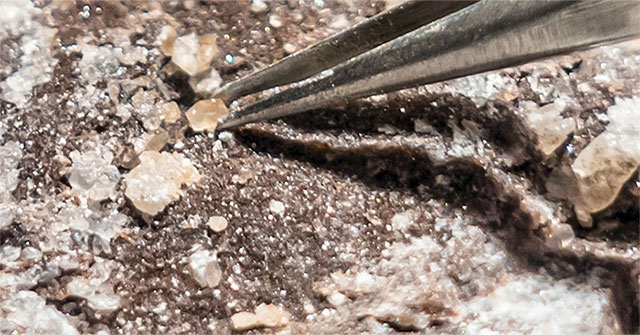
Calcium magnesium carbonate, chemical formula CaMg(CO3)2, accounts for about 2% of the Earth's crust and takes hundreds of millions of years to form naturally.
Browse ScienceInfo articles and explainers related to Carbonate.
25 published items.
Calcium magnesium carbonate, chemical formula CaMg(CO3)2, accounts for about 2% of the Earth's crust and takes hundreds of millions of years to form naturally.
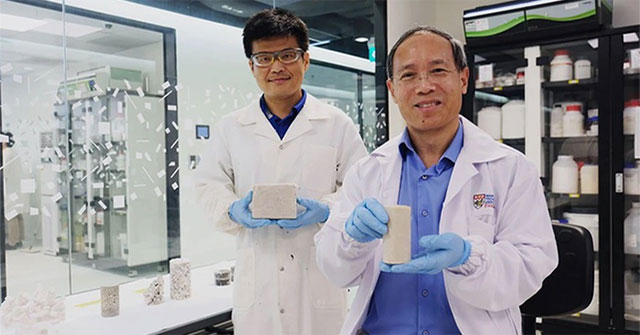
Traditional Portland cement production technology still has disadvantages, creating a large source of greenhouse gas emissions, because raw materials must go through a h…
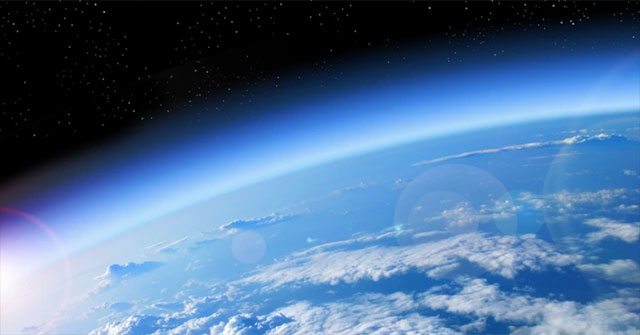
According to experts, what remains is silicate minerals like clay and quartz, which are thought to have invaded the atmosphere in the form of particles - the dust partic…
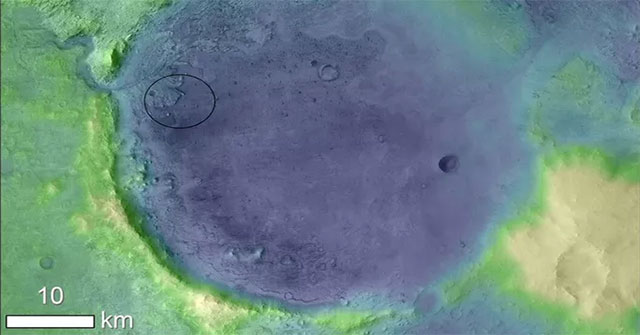
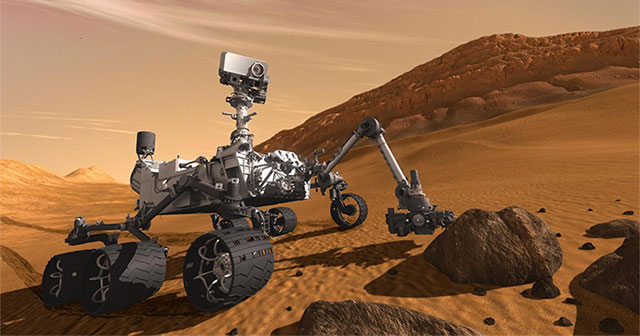
NASA claims it has discovered an oasis that may contain fossils in the middle of arid areas in the Jezero crater crater on Mars.
The impact crater, 52 km in diameter, caused by asteroids crashing into Earth became a favorable habitat for ancient microorganisms.

In ancient times, white skin was the standard of beauty, nobility, wealth. So everyone tries to make me have white skin.
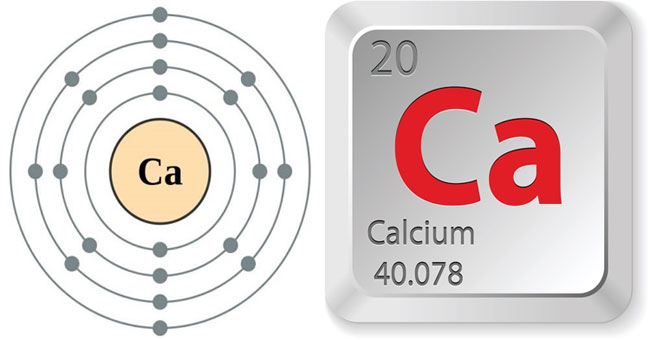
Calcium is the most common ingredient in nature. Indeed, calcium is an essential component of all living organisms and there are many in abiotic organisms, such as soil…

The mummies kept intact over thousands of years are always attractive topics for scientists.

Eggs of the largest elephant bird on the planet, with a length of 28 cm. The live bird's egg on the cliff has a sharp tip that can spin the circle
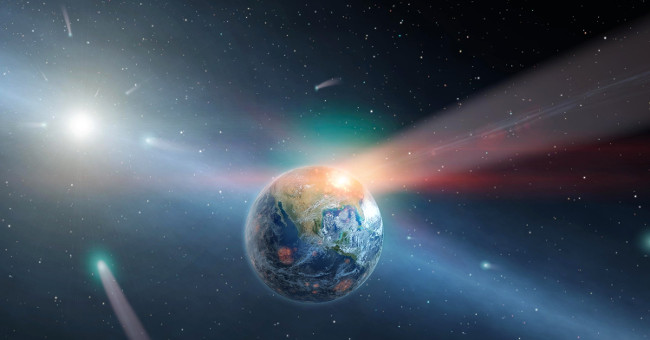
Sedimentary and ancient lava rocks indicate that water has existed for a long time on the Earth's surface. But the dry rocks in the galaxy plus the development of the oc…
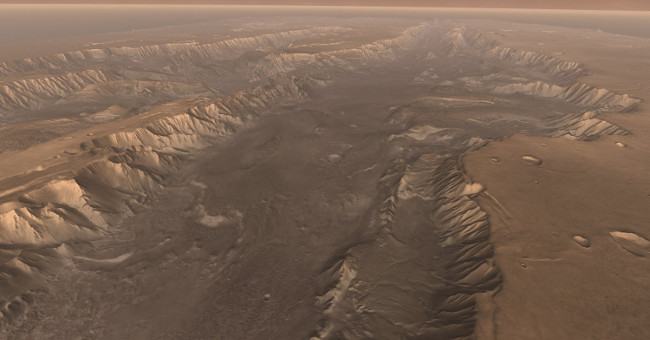
Greenhouse gas builds up in the atmosphere, causing Mars temperature to rise, making a long warm period appear, with a period of up to 10 million years.
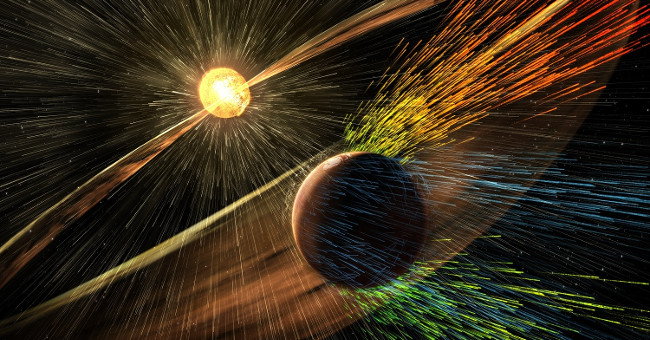
Recent evidence shows that Mars had previously been qualified to nurture life.
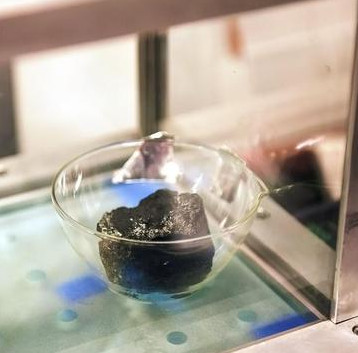
London's Natural History Museum exhibits the Ivuna comet debris dating back 4.6 billion years, probably bringing the foundational elements to the first life on Earth.
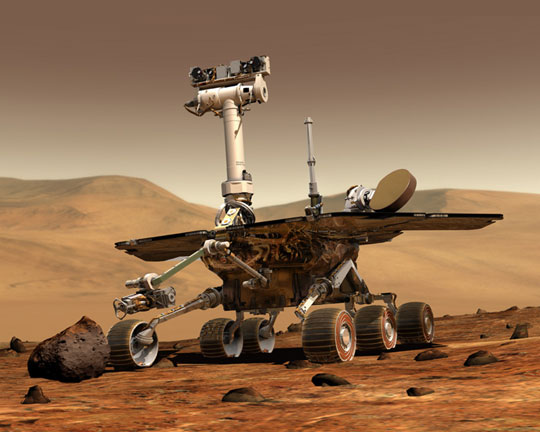
According to US scientists, Mars once existed carbon dioxide and this helped reinforce speculation that there was life on Mars.