Space science
Mars used to have a lot of CO2-proof of life
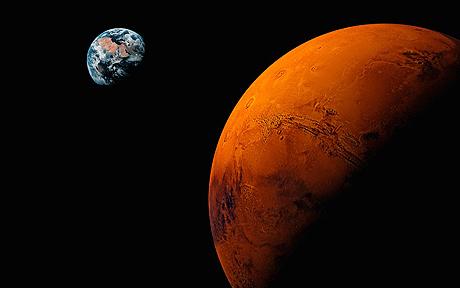
Scientists from the US Aeronautics Agency (NASA) have discovered that Mars once existed a lot of CO2.
Browse ScienceInfo articles and explainers related to Carbonate.
25 published items.
Scientists from the US Aeronautics Agency (NASA) have discovered that Mars once existed a lot of CO2.

US scientists have discovered many large carbonate mineral salts in the rock seams on Mars. This proves that the red planet once had a lot of water.
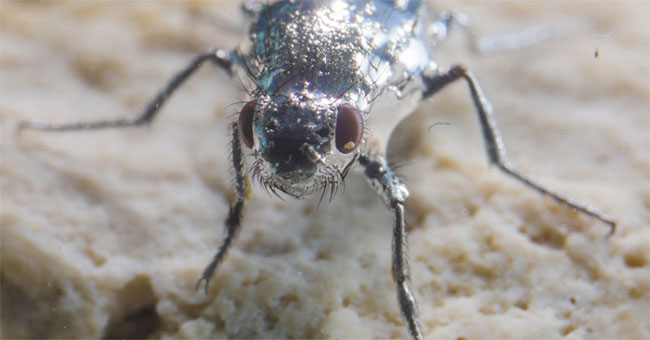
Lake Mono, California, USA, is home to Ephydra hians, according to National Geographic.
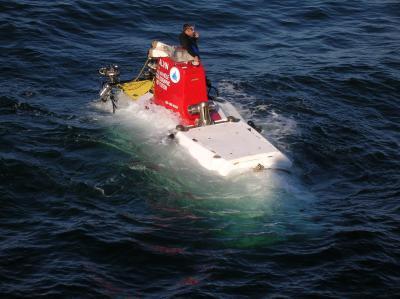
In addition to sulfate, iron and manganese compounds can play an important role in converting methane to carbon dioxide and ultimately carbonate in Earth's oceans, accor…

To reduce CO2 in the atmosphere one can 'catch' carbon and then put it into underground reservoirs. However, this way is both difficult to achieve high efficiency in pra…

Can a solution to global warming problem be in the soil under our feet? A group of Newcastle University scientists aim to develop a soil that can separate carbon from th…
Newcastle University scientists are opening a breakthrough technology in the struggle to cut greenhouse gases. The research team at Newcastle University led by Professor…
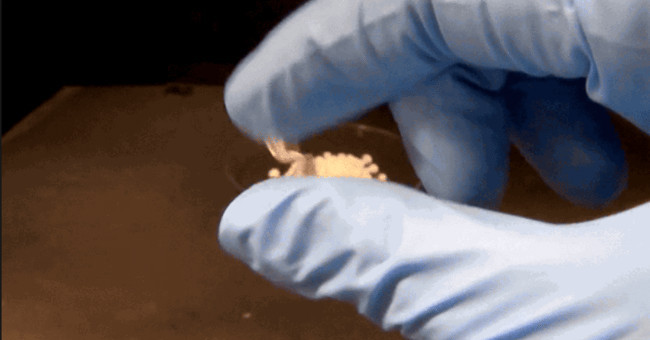
This glue can dry in normal conditions and become sticky in case of collision.
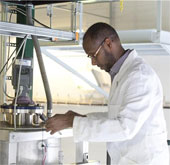
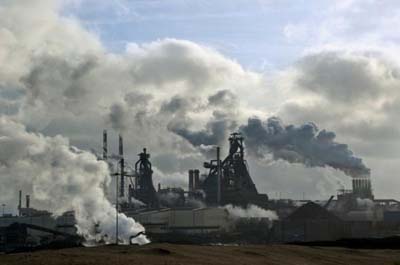
Researchers at Aalto University have developed a pilot project to convert CO2 and slag, the byproduct of steel production, into a valuable mineral product.
Recently, Swedish scientists have created a new material, an 'utopian' material that breaks the record of surface area and water absorption capacity.