New technology
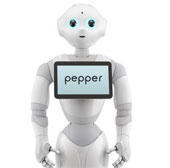
Pepper: The first robot to read human emotions
SoftBank, Tokyo (Japan) has launched the world's first robot can read human emotions.
Browse ScienceInfo articles and explainers related to Care.
681 published items.
SoftBank, Tokyo (Japan) has launched the world's first robot can read human emotions.
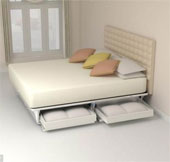
Modern people do not guarantee 6 to 8 hours of sleep a night and this greatly affects health and mood.
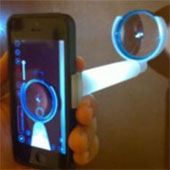
It is much simpler when anyone after being instructed can take a picture of his or her own eye and send it to the therapists who will diagnose and save them in electroni…

According to the company, the Droplet robot can not only replace people caring for trees, but can also save up to 90% of the wasted water in the watering process.
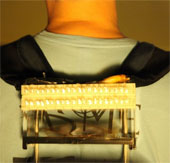
Devices such as smartphones, tablets ... as well as personal health care devices, smart glasses and navigation devices have become extremely popular.
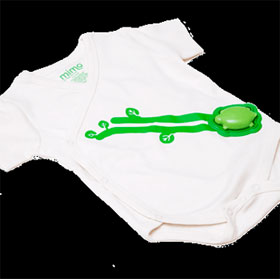
Couples without pedigree experience will be able to use a cell phone to learn about the health of their newborn.

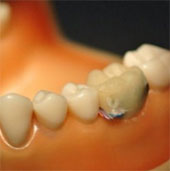
Recently, scientists at Taiwan National University have been developing a type of electronic tooth that can transmit signals.
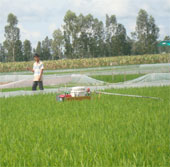
Young men in remote areas of An Giang province impressed the peasants when they successfully made the pesticide spraying robot instead of manually spraying it as before.
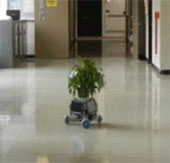
A team of researchers at Rutgers University (New Jersey) has successfully implemented the IndaPlant project, which successfully created the home blooming robot.

British scientists have built a sensor to monitor health in a comprehensive way, according to the Daily Mail on May 9.
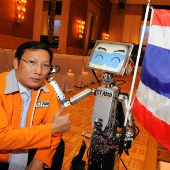
A robot that specializes in the care and support of the elderly living alone, called Dinsow Original, was developed by a Thai software company.
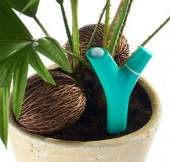
At the Consumer Electronics Show CES 2013, Parrot introduced a compact, two-thumb device with smart sensors to track the status of indoor or garden plants. This device i…

Induction electric blanket is a very necessary product for winter cold, especially for families with older people and young children.
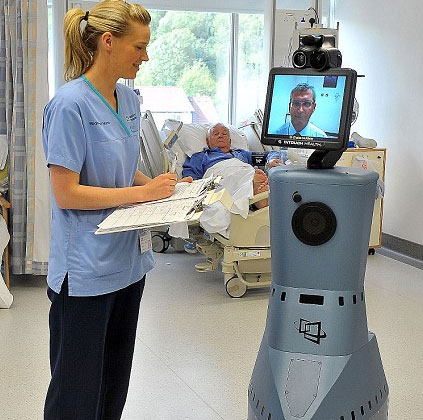
In a world where robotics technology is growing rapidly, scientists want to prove it