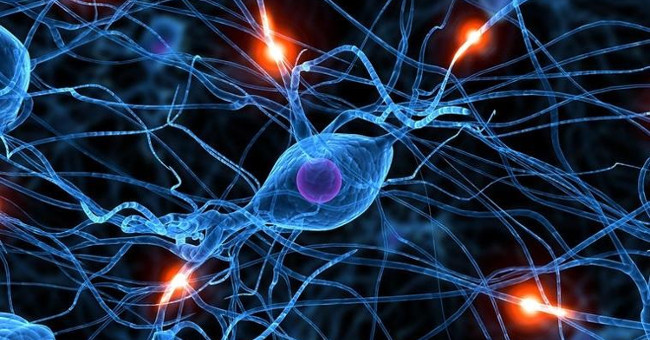
Cancer
Deploy cell therapy in cancer treatment
The group of scientists from Hanoi Medical University is receiving and deploying the application of immune cell therapy in the treatment of cancer from Japanese experts.
Browse ScienceInfo articles and explainers related to Cell.
3,353 published items.
The group of scientists from Hanoi Medical University is receiving and deploying the application of immune cell therapy in the treatment of cancer from Japanese experts.

Cancer, the dreaded problem of the 21st century, is making scientists have a headache to find ways to deal with that has almost no progress.

According to Boldsky, lung cancer affects the cells of the lungs, often in long-term smokers. However, lung cancer can also occur in people who have never smoked.
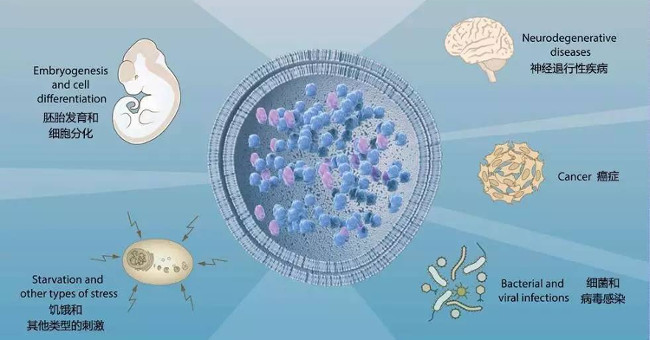
Research by the Japanese scientist who won the 2016 Nobel Prize in Medicine for the cell's autonomous mechanism opens the door to application in the treatment of critica…

Today July 5 is the 20th anniversary of Dolly's sheep, the first mammal cloned in the world (July 5, 1996 - July 5, 2016). Dolly was created by Ian Wilmut and colleagues…

The effects of pressure on people with cancer are much more terrible than many people imagine.

Scientists from Phystech Moscow and the Research Institute of the Russian Academy of Sciences have found a way to extract effective anti-cancer agents from molecules tha…
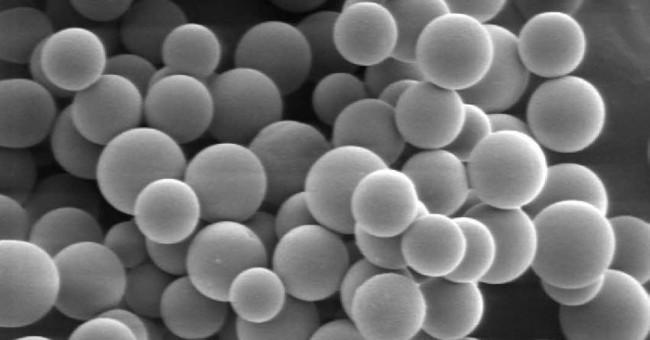
Scientists at the Moscow State University (MGU) and the German Photon Jena Institute have created micro-silicon nanoparticles that contain drugs.
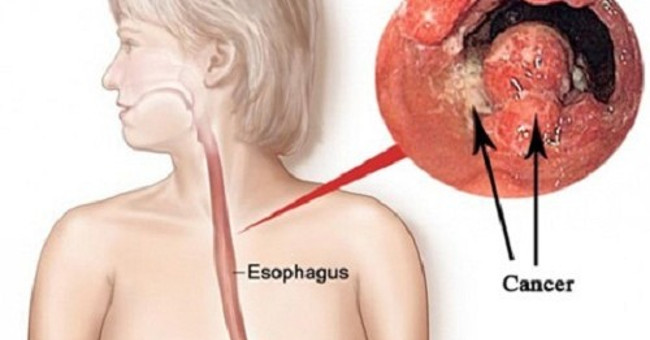
Okayama University, Japan, has published the results of a new treatment study for esophageal cancer patients, with a specific virus that destroys cancer cells.
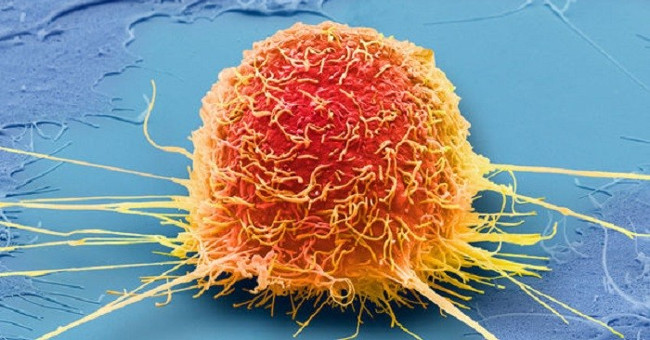

According to a new study, eating watercress everyday can help you fight cancer.
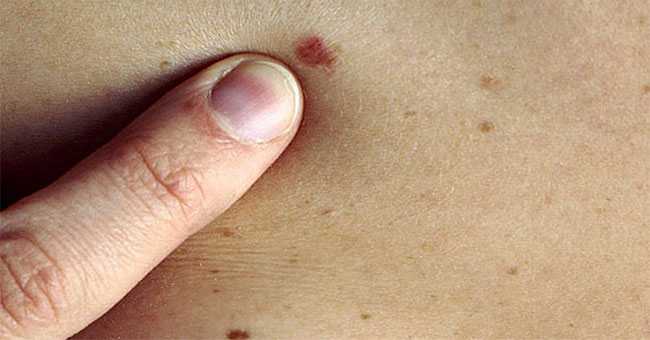
The system consists of Dermatoscopy image analysis and processing computers - a tool that captures the important morphological structures of the upper and lower surface…
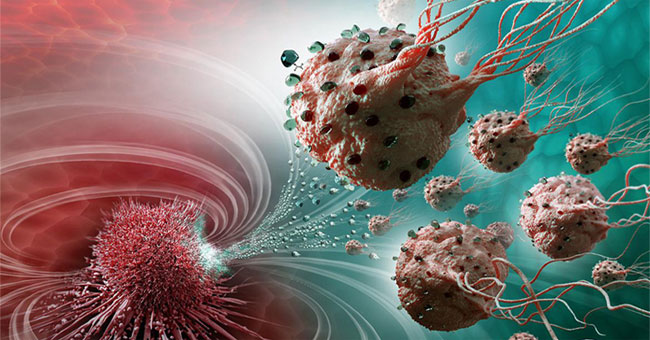
A Canadian team developed a micro-biological robot capable of transporting specific drugs to the right cancer cells that are active.

Lung cancer is the leading cause of cancer death, common in the age of 45 to 70.
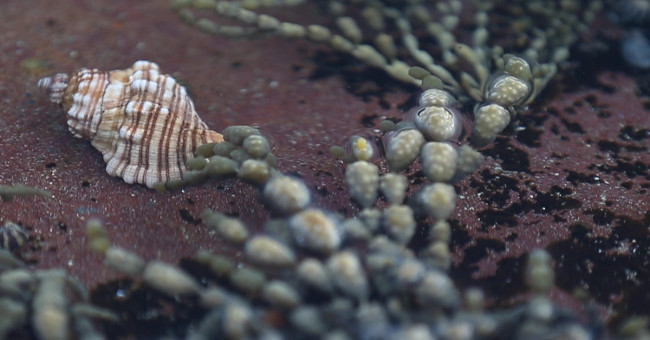
Substances in the nudibranchs that live along the Eastern coast of Australia are very resistant to cancer.