New technology
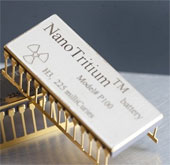
Phone battery operated for 20 years in a row
Nuclear batteries operate on the basis of nuclear division. Many are afraid of the danger posed by exposure to radiation in their pockets. But you can be assured because…
Browse ScienceInfo articles and explainers related to Cell.
3,353 published items.
Nuclear batteries operate on the basis of nuclear division. Many are afraid of the danger posed by exposure to radiation in their pockets. But you can be assured because…

The manufacturer Devotec Industries has recently launched a self-proclaimed cell phone charger
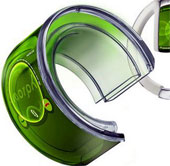
Graphene material, discovered by British scientist Andre Geim in 2004 and winning him the 2010 Nobel Prize in physics, is likely to completely change the look of electro…

Professor Richard Oreffo of the University of Southampton and colleagues say the resin mixture has a honeycomb structure that allows living cells to 'crawl' whil…

Scientists at the US Department of Energy have successfully developed solar cells that convert 44% of light into electricity.
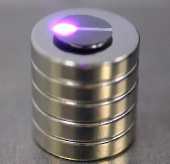
Two Japanese scientists find ways to lift the object by magnetic force with laser and sunlight.

Last year, humanity once again witnessed reality that caught up with imagination that only appeared in sci-fi movies.

US scientists have unveiled a compact device, called iTube, that is attached to a cell phone to detect allergens found in food samples.
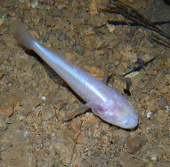
The ability to guide blind fishes helps US and Singaporean scientists create sensors that can help locate submarines more accurately in turbid water.
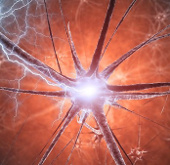
Surgeons can quickly reconstruct the patient's nerves, such as those with spinal cord injuries, using the technology of inkjet printers.
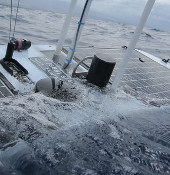
A self-controlled robot has completed its journey from the US to Australia after more than 12 months.
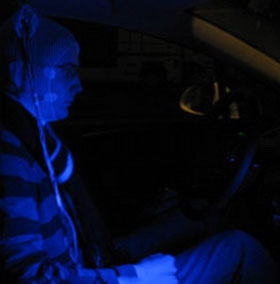
No need to drink a large cup of coffee or a can of juice, streetcars drivers can stay alert with the blue lights in the car.

The University and the Wageningen Research Center (NL) have developed a technology that allows the conversion of wetlands (which account for about 6% of the Earth's…
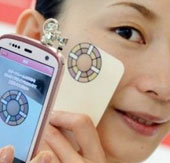
Japan's Fujitsu Technology Group has released a new feature called '
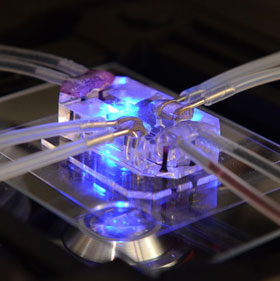
Researchers at Harvard's Wyss Institute for Biologically Inspired Engineering have simulated pulmonary edema in a microchip lined with human living cells.