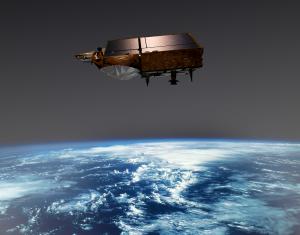
Space scienceMaking an artificial satellite for 3 years is clearly an ambitious task. Therefore, the decision to reconstruct CryoSat satellite and restore its program is also an ambi…
December 17, 2018
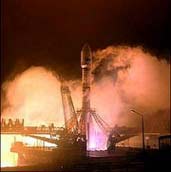
Space scienceThe first mission to find the planet of human life like the earth was launched yesterday, starting the journey lasting 2 and a half years.
December 17, 2018
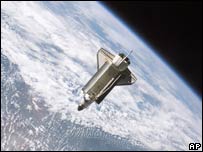
Space scienceThe United States adopted a new policy of using space, in which the United States valued freedom in space just as it did at sea and in airspace. This is l & ac
December 17, 2018
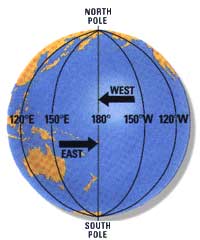
Space scienceThe Earth turns from West to East, morning, noon, afternoon, and evening appear in the world in a recurring manner. So where should a new day on Earth start and end? To…
December 17, 2018
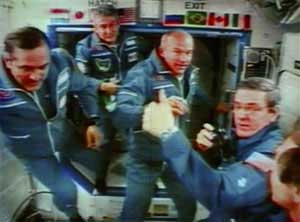
Space scienceA Russian Soyuz spacecraft carrying the first Brazilian astronaut and two new members of the International Station (ISS) entered the universe on Saturday, two days after…
December 17, 2018
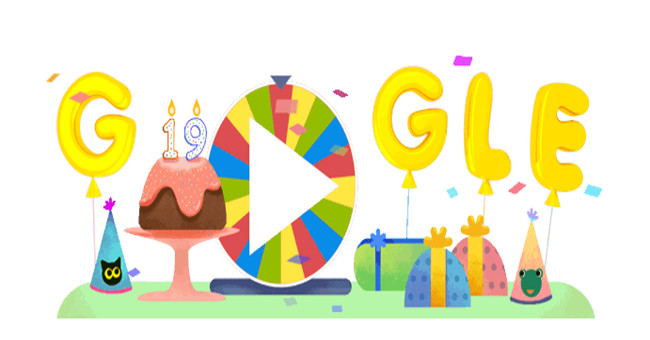
HistorySeptember 27 is the 19th anniversary of the world's largest search engine, Google.
December 17, 2018

HistoryThe clock is tuned faster to take advantage of summer sunlight in European and American countries and adjusted in winter, rooted 100 years ago.
December 17, 2018

HistoryOn January 28, 1986, the space shuttle Challenger exploded only 73 seconds after being launched from the Kennedy Space Center in the state of Florida (USA), killing all…
December 17, 2018
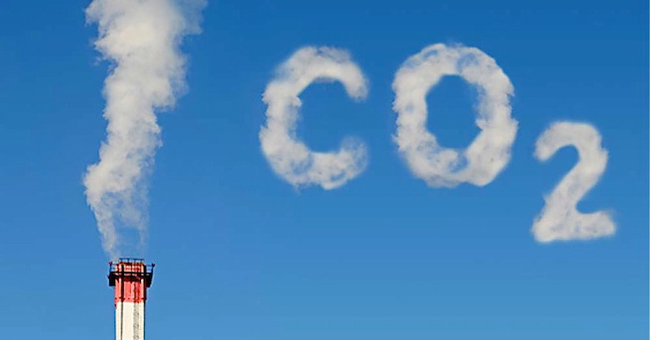
HistoryThe Kyoto Protocol is an international agreement concerning the United Nations Framework Convention on Climate Change (UNFCCC).
December 17, 2018
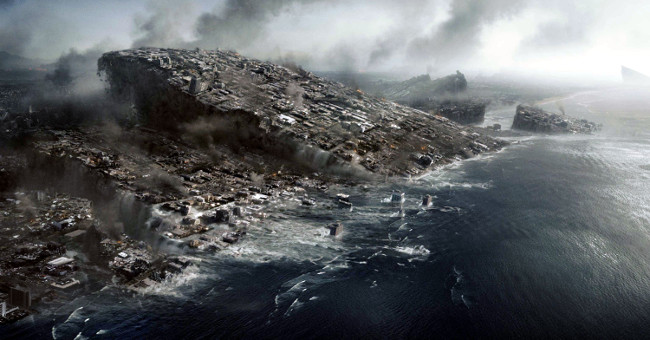
DoomsdayPeople are making great efforts to find ways to control and curb global climate change. But it looks like we will have to work even harder.
December 17, 2018
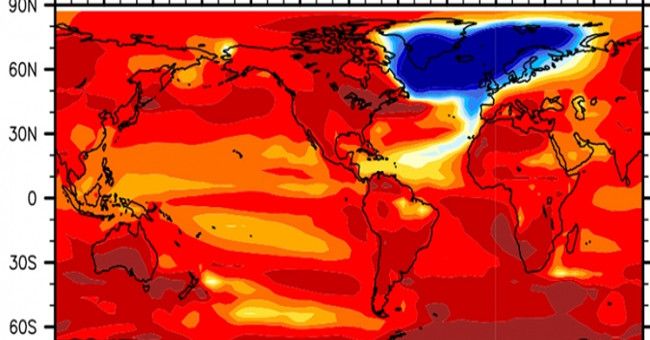
DoomsdayThe new study shows that climate change could cause ocean currents in the oceans to become numb, gradually turning the Northern Hemisphere region back to the Ice Age.
December 17, 2018
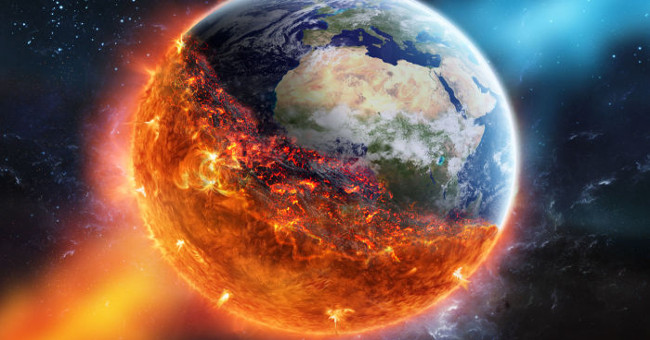
DoomsdayBritish scientists say like Vanga about apocalyptic hazards, science points to the endangered earth threat from three causes: epidemics, climate change and nuclear war.
December 17, 2018

DoomsdayScientists have come up with four apocalyptic perspectives of the universe: Hot Death, Big Co, Big Torn, and Big Change.
December 17, 2018
DoomsdayThe universe is expected to come to an end in 110 trillion years, of course, long before the Earth completely disappears.
December 17, 2018
DoomsdayAfter proving that there is no end date on December 21, 2012, NASA offers five scenarios that may occur in practice, but may only last for several billion years.
December 17, 2018