
Discover science
6 unbelievable facts about your own memories
Memory is a relatively vague concept in science. Basically, memories are defined as what the brain stores information received in life.
Browse ScienceInfo articles and explainers related to Childhood.
117 published items.
Memory is a relatively vague concept in science. Basically, memories are defined as what the brain stores information received in life.

Fish eggs, a fruit associated with our childhood, almost everyone knows, but perhaps not many people know its effects, beneficial or harmful? Let's explore together!

Mankind is the most special entity on this planet. But what really makes us completely different from other species?

Of the thousands of people who used to play hard at their childhood, few people answered that question. The tick, whether turned upright or tilted, still doesn't fall li…

British psychologists claim to have created a formula for calculating things that can make people happy, like watching blooming flowers, waiting for a holiday ...
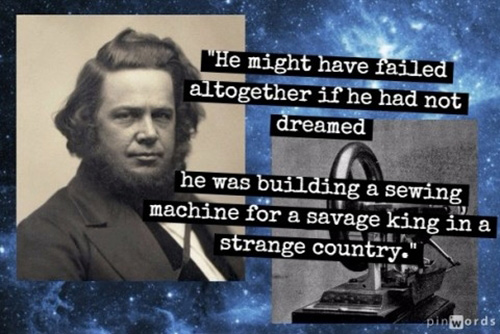
Einstein's great career was his prolonged contemplation based on a childhood dream. Industrial sewing machines were born from an inventor's nightmare Elias Howe.

Italian police have reversed the aging process from the faint lines on the famous Turin shroud, thus creating an image believed to be of Jesus Christ in his youth.

Not only unhygienic, nail damage, nail biting habits also cause many other injuries.

Researchers have found a primitive formula that can create mass killers, including childhood abuse, autism and head injury.
Researchers have found the answer to the question why the brain can forget memories from childhood.
Many people say they have poor memory, but most are wrong. The way memory works can be surprising, frustrating, strange - but not necessarily
Scientists point out, the belief in immortality forms when we are young.

Rock stars often die young, especially for solo performers, according to a new British study.

People who feel satisfied with life during adolescence will earn more money and advance faster than others.

Human intelligence index may increase or decrease in childhood. That is why many children with poor learning in the first grades can still achieve remarkable academic ac…