Discover science
Why do some cicadas only emerge once every 17 years?
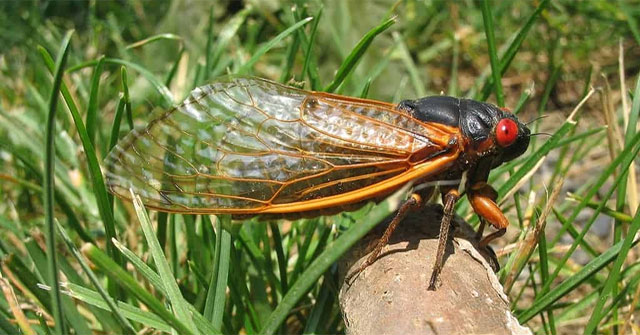
Cicadas, beetles with distinctive chirping sounds, are often associated with hot summer days.
Browse ScienceInfo articles and explainers related to Cicada.
39 published items.
Cicadas, beetles with distinctive chirping sounds, are often associated with hot summer days.
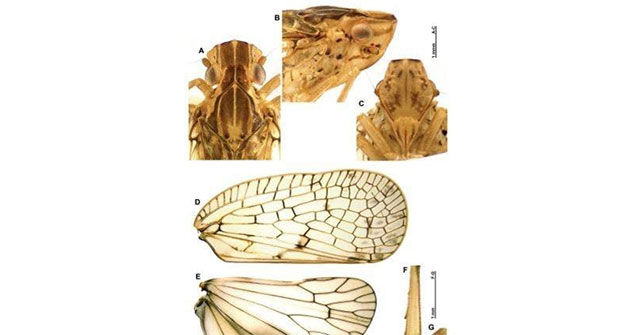
Recently, scientists at the Central Institute for Scientific Research under the Vietnam Museum of Nature discovered and recorded two new species of cicadas.

Since 1803, this will be the first time insects of these two generations have appeared in America at the same time.
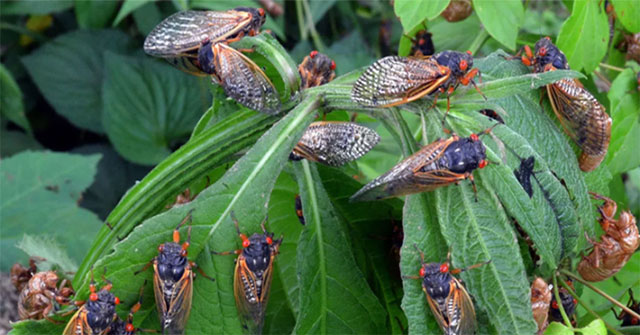
Two groups of cicadas, Brood XIII and Brood XIX, appeared at the same time in a double event, causing the number of cicadas across 16 US states to reach trillions.

Scanning this process under a microscope, the scientists found that the bacteria with elastic membranes had sunk into the nanoscale layer, cicada wings punctured the bac…
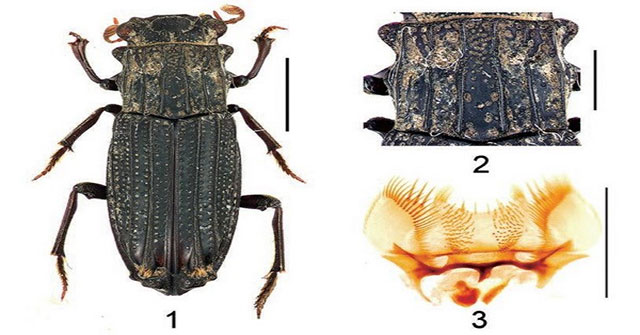
The newly announced insect is a species of beetle, scientific name Rhyparus vietnamicus Ochi, Kusui, Pham, 2018; 2 cicada species belong to the genus Sogana, Tropiduchid…
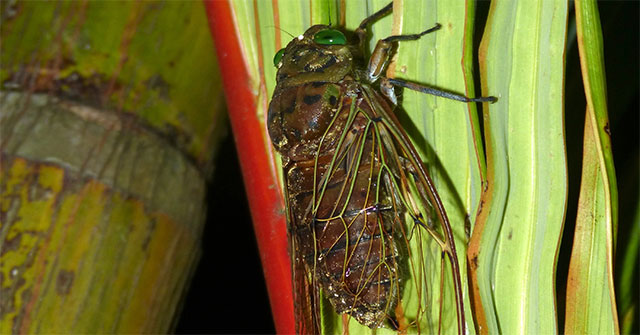
Compared to the small body, cicadas are really impressed by the coo. Tingling cicadas, low and low, melodious and melodious like a perfect symphony.
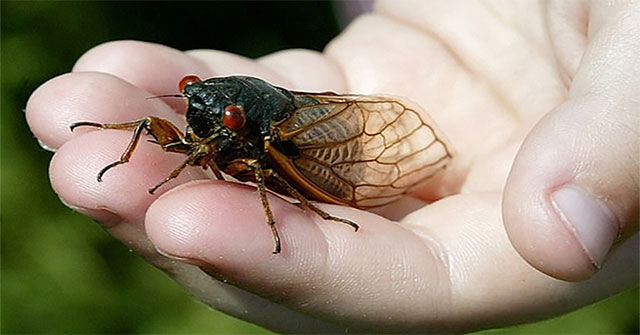
One of the cicadas with the longest life cycle in the wild will rise to the surface to molt this summer.
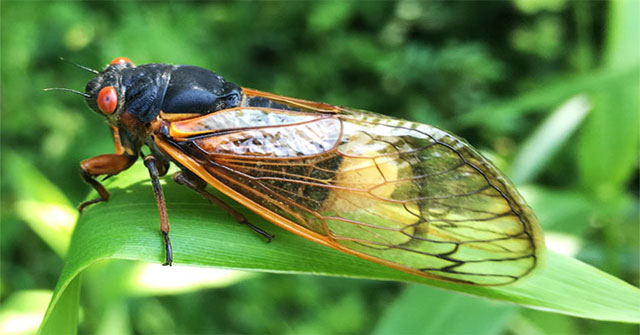
A parasitic fungus not only explodes cicadic belly to spread spores but also controls them to mate to death to increase infection.
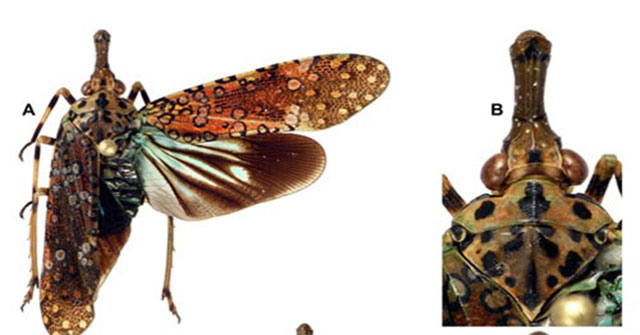
In the world, only three species of the first cicadas have been published. In Vietnam, specimens are available in Thua Thien - Hue and Da Nang.

Large speed insects called jumping cicadas can jump about a hundred times longer than its body length. Now scientists have discovered the secret of cicadas: they possess…

Cicada 3301 is probably the most mysterious organization on the Internet, but no one has provided a thorough explanation.
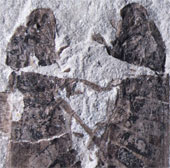
Fossilized Chinese scientists of two ancient insects are still in mating posture due to being interrupted by a volcanic eruption.
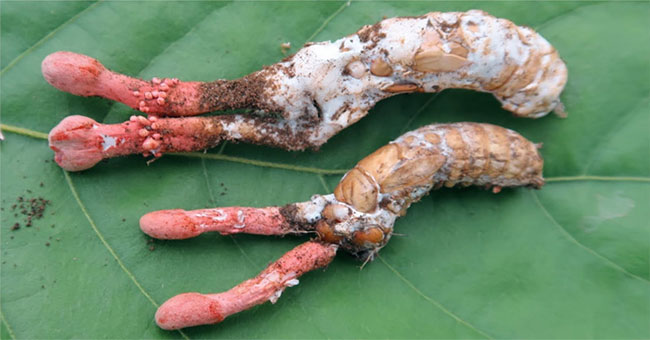
This fungus is extremely poisonous, can cause death to humans, its toxins are not lost when prepared, or heated.
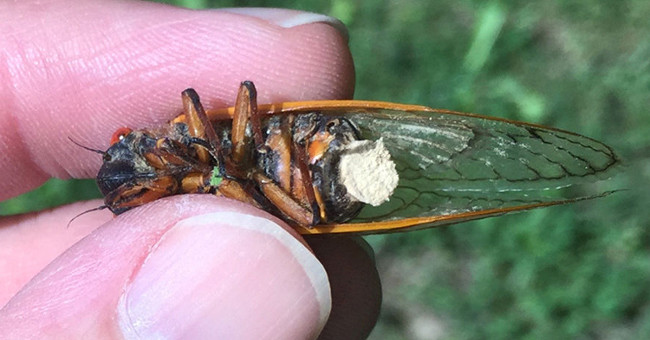
Scientists at the University of Connecticut, USA, learned in detail how the fungus Massospora cicadina infects many cicadas.