Oceanography
Smaller fish because of climate change
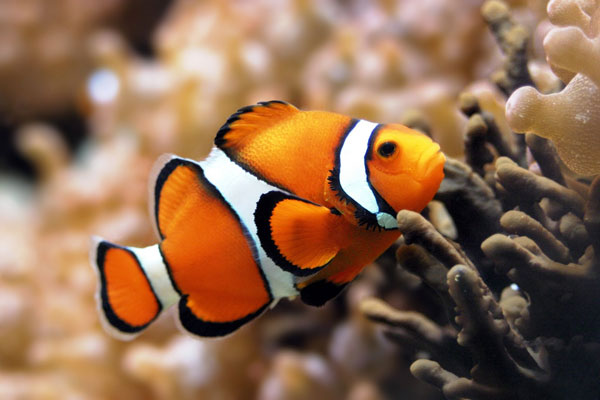
Dr. William Cheung, an expert at the University of British Columbia in Canada, and his colleagues modeled the impact of global temperature rise on more than 600 species…
Browse ScienceInfo articles and explainers related to Climate Change.
762 published items.
Dr. William Cheung, an expert at the University of British Columbia in Canada, and his colleagues modeled the impact of global temperature rise on more than 600 species…
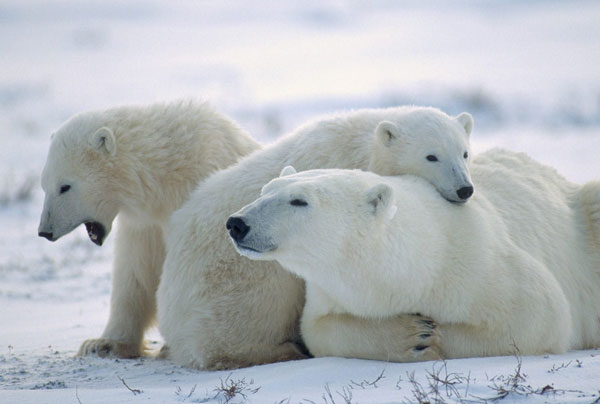
But research by Frank Hailer and colleagues published on April 19 shows that the species has 600,000 years of being familiar with polar conditions. And it also means tha…
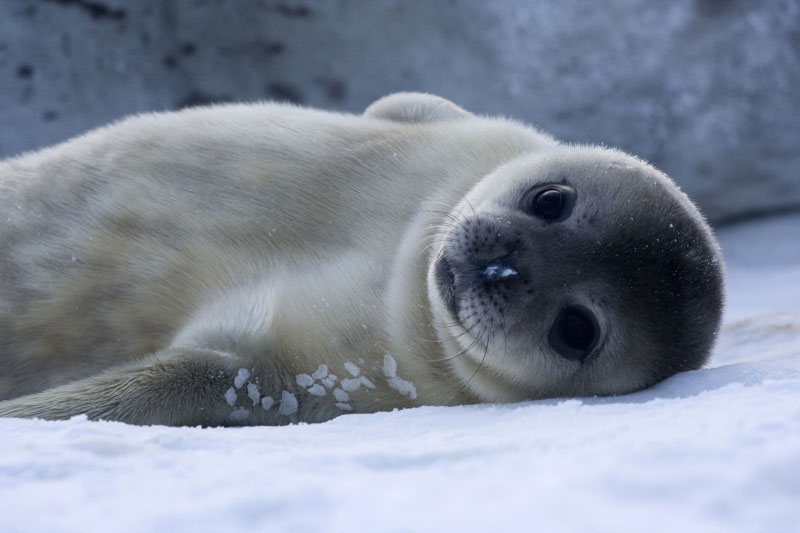
Researchers at Duke University in the United States have found that ice in the breeding area of this seal is decreasing by about 6% per decade over the past 30 years.
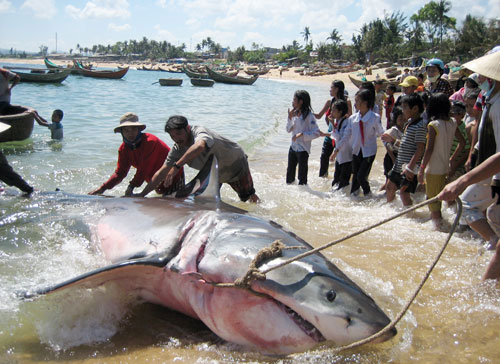
Scientists are trying to find an explanation for a series of mysterious shark attacks in different countries recently.
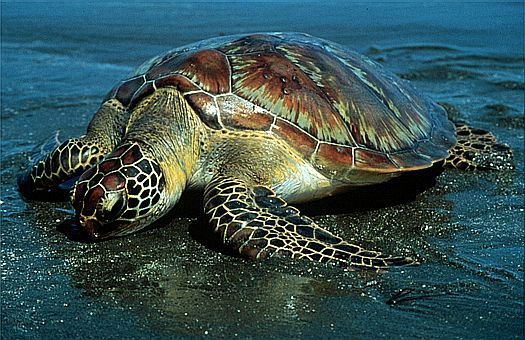
In a statement (September 29), the World Animal Conservation Organization said that sea turtles living in marine areas of countries such as India, Bangladesh, and Sri La…
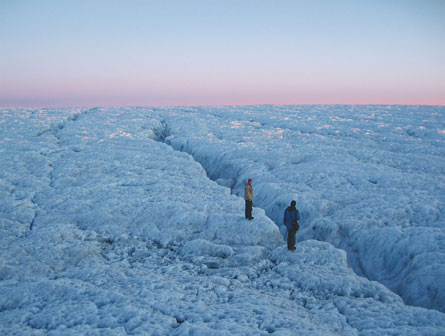
The pure ice cubes that you often put in a glass to drink, look quite solid. But if you had a really round block, really big made of ice, ...
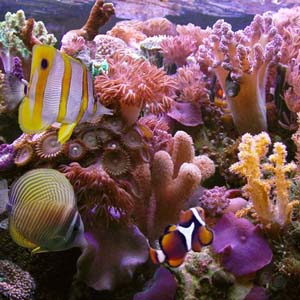
The world's coral reefs are at risk of disappearing by 2050 due to the effects of climate change as well as indiscriminate fishing practices.


A new study shows that climate change has caused a population of poisonous crab Henslow to leave their homeland and invade the North Sea of Europe.

Recent research by scientists at the University of Exeter shows that corals can recover themselves.
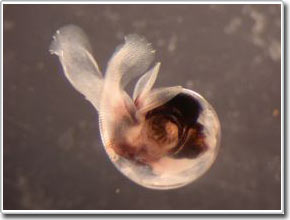
According to scientists at a press conference on February 23 at the annual meeting of the American Association for the advancement of science in Boston, because seawater…
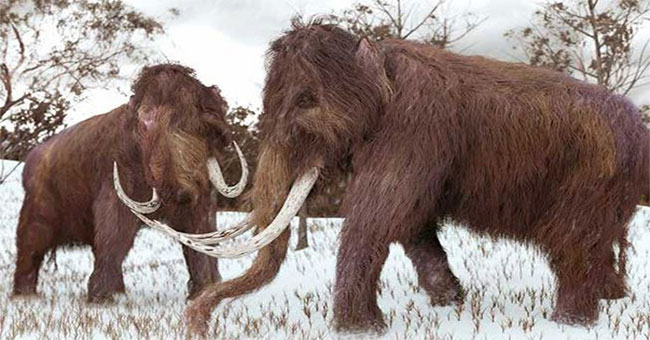
Although extinct more than 10,000 years ago, scientists have always tried to find many different ways to revive mammoths.
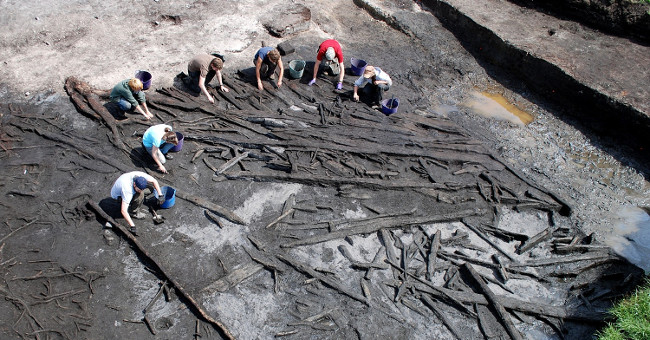
The first people to settle in England at the end of the ice age encountered sudden and unstable climate change.
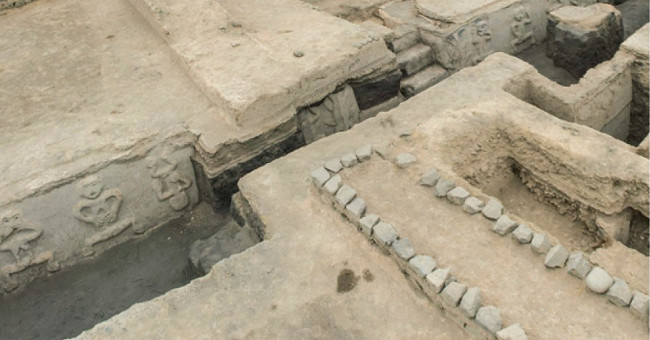
The clay figures show the skeleton or the dying ones in a cataclysm attack the communities living in this coastal area a few thousand years ago.

According to Science Alert, the study focused on learning about one of the most remote areas, Oceania, where there are signs of human habitation about 3,400 years ago.