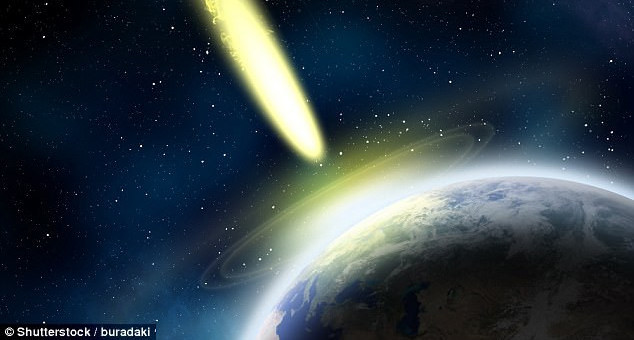
Space science
Evidence of comets hitting the Earth, sweeping away life 13,000 years ago
The fact that comets hit Earth 13,000 years ago has wiped out the lives of thousands of people and many animals, causing climate change for 1,300 years.
Browse ScienceInfo articles and explainers related to Climate Change.
762 published items.
The fact that comets hit Earth 13,000 years ago has wiped out the lives of thousands of people and many animals, causing climate change for 1,300 years.
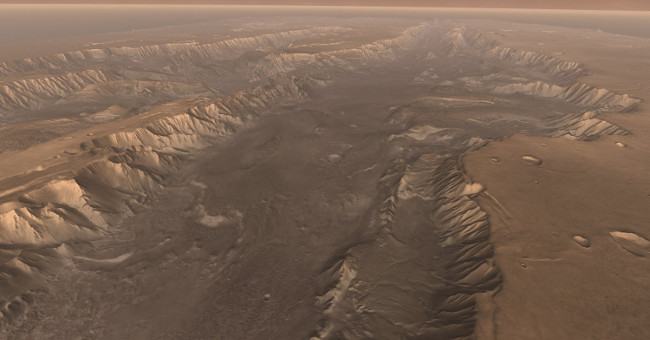
Greenhouse gas builds up in the atmosphere, causing Mars temperature to rise, making a long warm period appear, with a period of up to 10 million years.
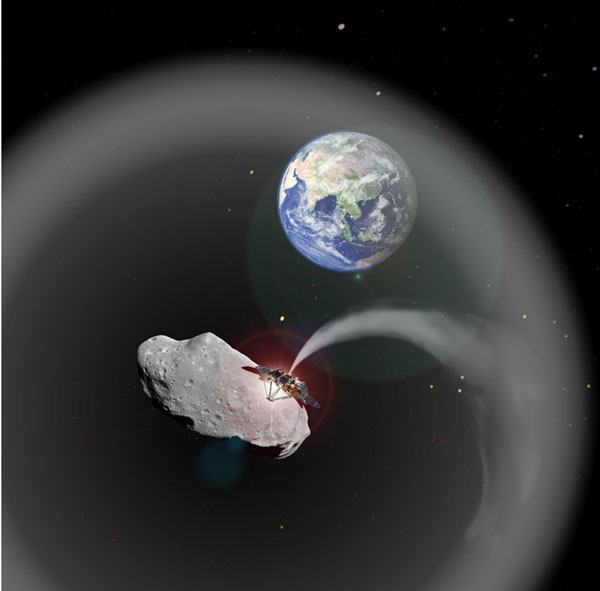
To cope with global warming, scientists in Scotland have come up with a new solution: a machine blowing huge dust in space into an asteroid that surrounds the Earth, act…
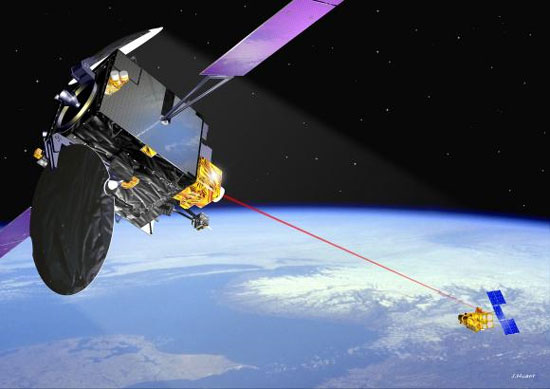
The US Aeronautics Agency (NASA) will launch an artificial satellite to test the weather forecasting technology and monitor climate change on Earth.
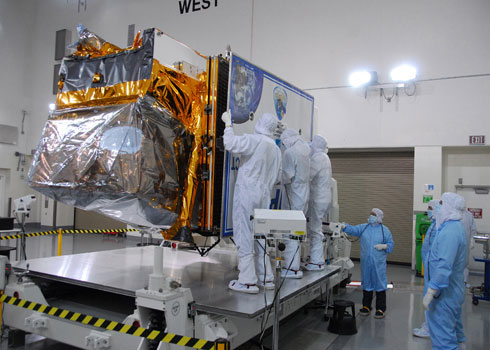
The US Aeronautics Agency (NASA) is planning to launch an earth observation satellite to assess climate change and weather events.

Researchers have looked at photos of trenches on the volcanic flank of Mars, which indicate that these trenches formed several hundred thousand years ago, in former glac…
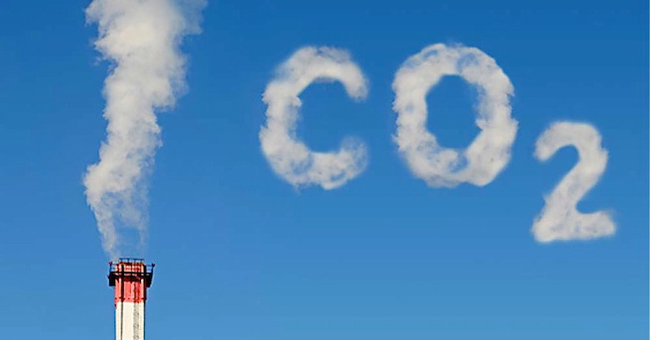
The Kyoto Protocol is an international agreement concerning the United Nations Framework Convention on Climate Change (UNFCCC).

People are making great efforts to find ways to control and curb global climate change. But it looks like we will have to work even harder.
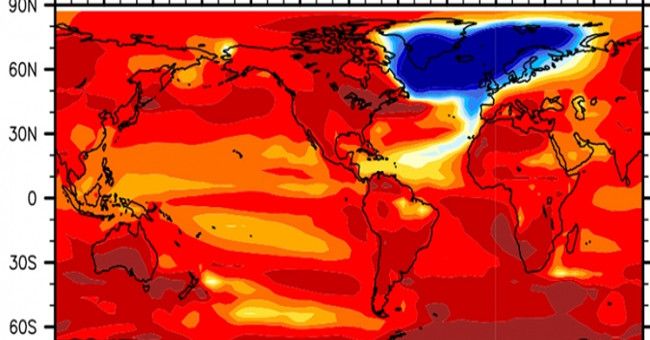
The new study shows that climate change could cause ocean currents in the oceans to become numb, gradually turning the Northern Hemisphere region back to the Ice Age.
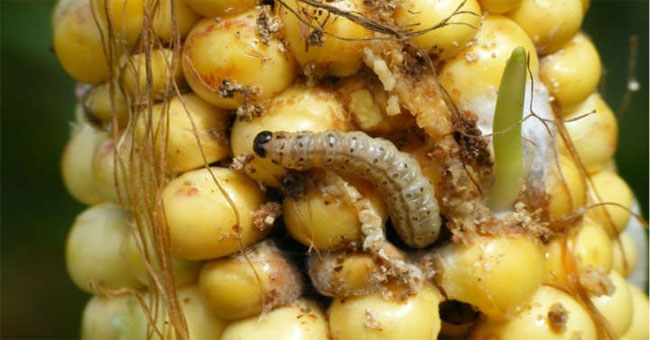
Climate change is really the most serious threat that humanity is suffering from.
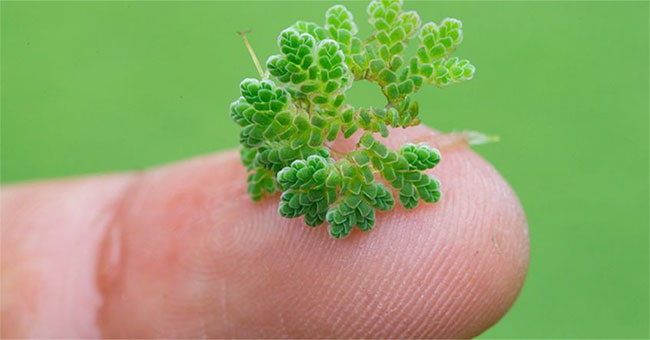
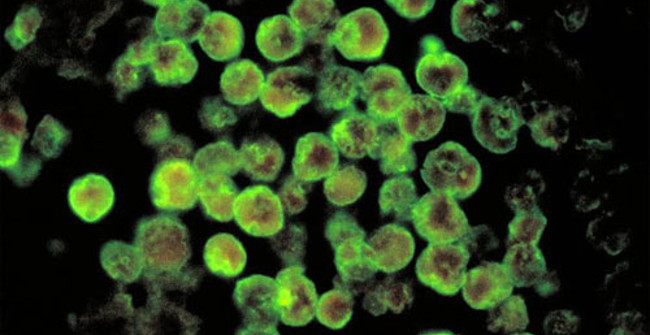
According to a new study, up to a third of the parasites on Earth will become extinct by 2070 due to climate change. This not only reduces the number of species on the p…
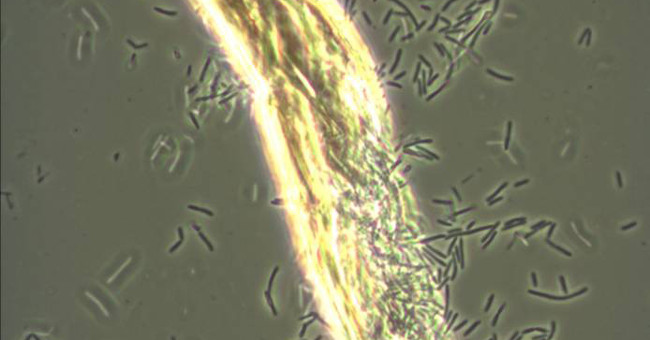
Clostridium thermocellum can disintegrate both cellulose (the type of organic compound commonly found in plants), turning them into usable biofuels without the need for…

Climate change, environmental pollution and consequences from unconscious human behavior are causing a rapid shortage of food and food.

The study of climate change ecologists has detailed how plants in the US will have the hardest time to adapt when the world warms up.