
Environment
The Arctic may run out of ice within a decade
Some US scientists warn that, in less than 10 years, the Earth's north pole will be free of ice.
Browse ScienceInfo articles and explainers related to Climate.
1,891 published items.
Some US scientists warn that, in less than 10 years, the Earth's north pole will be free of ice.

Governments in many countries have spent billions of dollars to save recession-stricken economies. However, it is possible to change the world better with only 5 - 50 US…

An Idaho state firefighter has recorded images of round snow bales that look like common hay bales in a farm.

Being overweight affects not only human health, but also speeds up global climate change.

From now until the end of the century, Southeast Asia's food production may decrease by 6.7% annually by climate change.
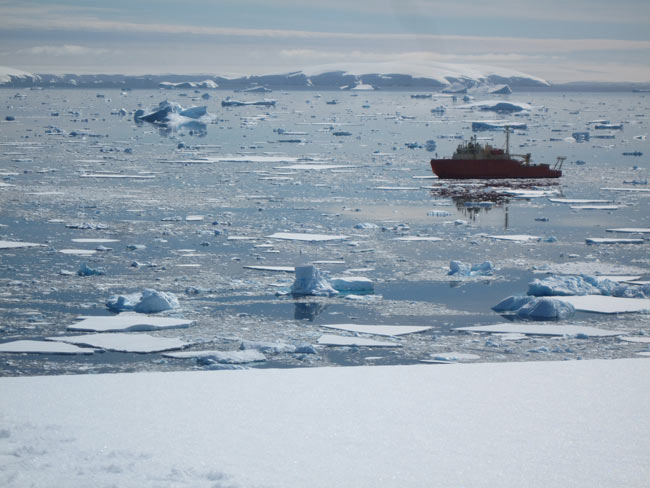
Rapid climate change on the Antarctic Peninsula has caused simultaneous changes in the region's biological productivity.
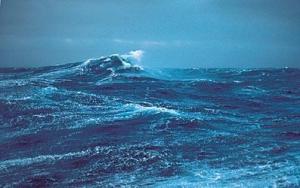
Scientists at the International Conference on Climate Change in Copenhagen last week said the balance effect of land and sea carbon sinks is gradually weakening.

Japanese cherry blossoms are blooming sooner and will face a gloomy future due to global warming.
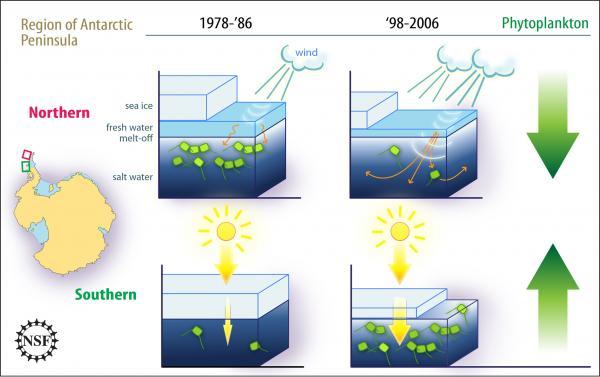
Antarctica has long been thought to be one of the fastest warming locations on Earth.

The British Institute of Mechanical Engineering affirmed that, despite the introduction of international agreements to cut CO2 emissions, the earth's climate continued t…

Over the past century, many US plants have moved hundreds of kilometers to the north due to the inconvenience of temperature rise caused by the greenhouse effect.

On February 17, an ice block of up to 14,000 km2 separated from Wilkins ice shelf, belonging to Antarctica.

A UK study found that tropical forests are absorbing 20% of the CO2 emissions from the atmosphere, helping people save about $ 13 billion per year.

According to Deputy Minister of Natural Resources and Environment Nguyen Van Duc about 50 years ago, in Vietnam, the average temperature increased about 0.7 degrees Cels…

The animals that feed on the bottom of continuous water sources release nitrous oxide (N2O), a gas that can increase the temperature of the earth.