Discover science
Antarctic Expedition - Story 100 years ago
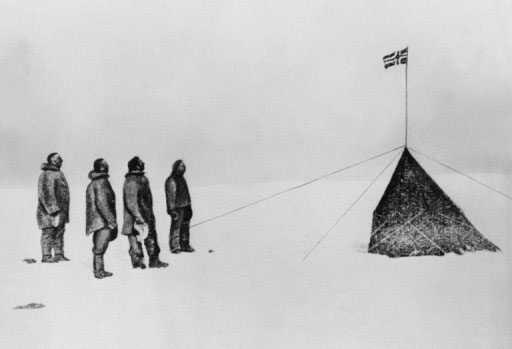
100 years ago, on December 14, 1911, the Norwegian expedition led by Roald Amundsen crossed the mist, cold with the cold wind and plugged the Norwegian flag onto Antarct…
Browse ScienceInfo articles and explainers related to Climate.
1,891 published items.
100 years ago, on December 14, 1911, the Norwegian expedition led by Roald Amundsen crossed the mist, cold with the cold wind and plugged the Norwegian flag onto Antarct…
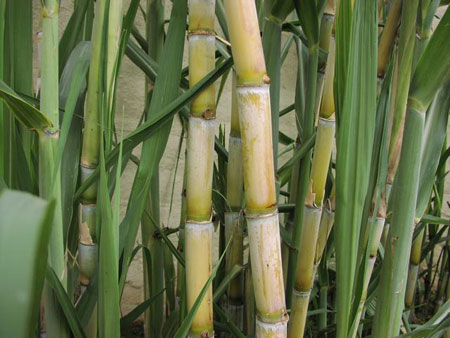
With the ability to reduce the ambient temperature, sugarcane can become a useful weapon in the fight against climate change.
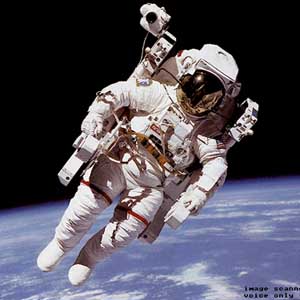
A conundrum: If it takes thousands of years to reach the appropriate planet, can humans give birth on a spaceship?
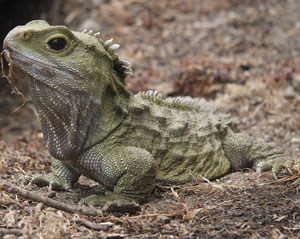
The warmer climate has destroyed the tropical forests on Earth and led to the evolution of reptile evolution.
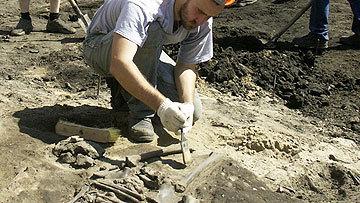
In the territory of Papua New Guinea at an altitude of nearly 2,000 meters above sea level, scientists have found the oldest residence ...
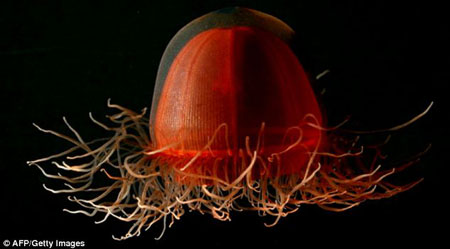
More than 6,000 newly discovered marine species. In it, there are many wonderful and beautiful creatures.
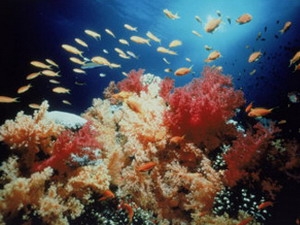
Scientists have shown that organisms can evolve faster to survive in the environment affected by climate change.

The Daily Mail of the UK led the latest study, saying that the reason people started to go straight was because the weather was very hot.

Global warming can turn the world into a more violent place, because the higher the temperature, the easier it is for people to get angry and angry.
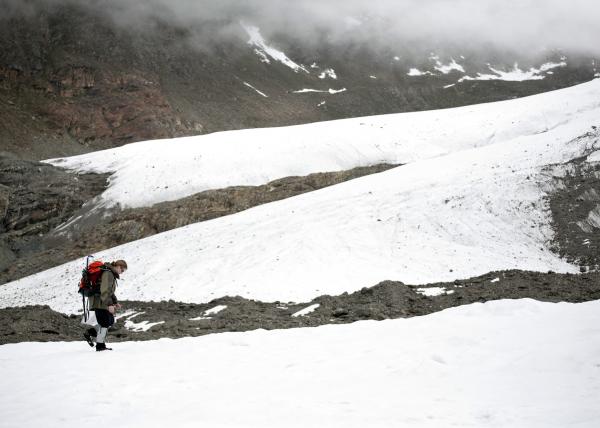
Normally when the temperature rises, the ice will melt away.
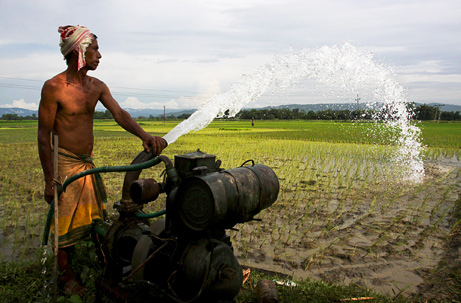
Scientists say switching to a high-protein, Western-like diet of Asians may lead to frequent food shortages for the region that is suffering from this fresh water pressu…
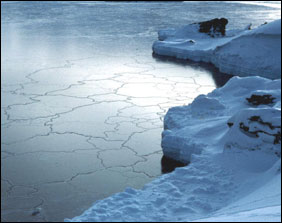
According to in-depth research on climate change on the Arctic, people are extending the time to the next ice age.

Covering the entire landscape is a thick salt shell on the surface, which accumulates over the millennia due to the dual impact of low rainfall and high humidity in the…
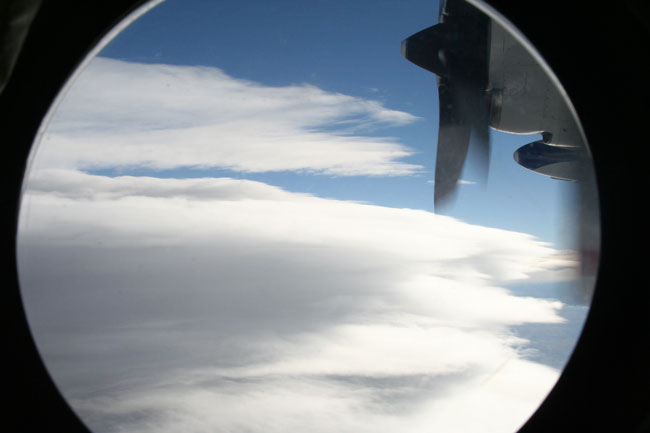
Small creatures are really everywhere: bacteria, fungal spores and biological debris are found in the clouds and seem to help the formation of droplets.
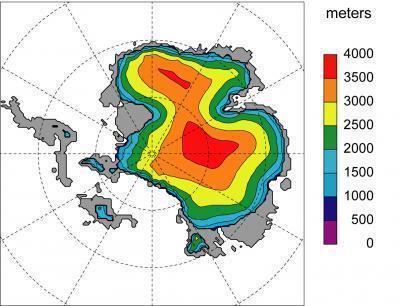
Global climate has quickly moved from an almost iceless world to giant ice sheets on Antarctica about 34 million years ago.