Environment
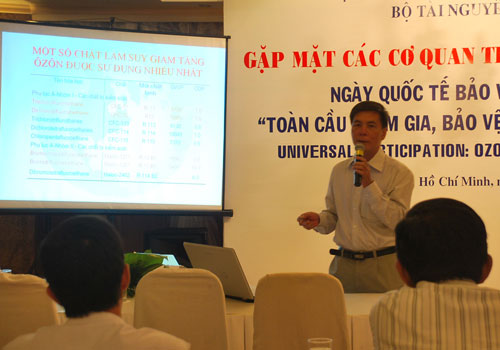
Vietnam strives to protect the ozone layer
Starting from January 1, 2010, all CFCs (clorofluorocarbon) degrade ozone layer will be banned from importing into Vietnam.
Browse ScienceInfo articles and explainers related to Climate.
1,891 published items.
Starting from January 1, 2010, all CFCs (clorofluorocarbon) degrade ozone layer will be banned from importing into Vietnam.

French President Nicolas yesterday announced plans to enact new taxes on carbon emissions to prevent global warming.
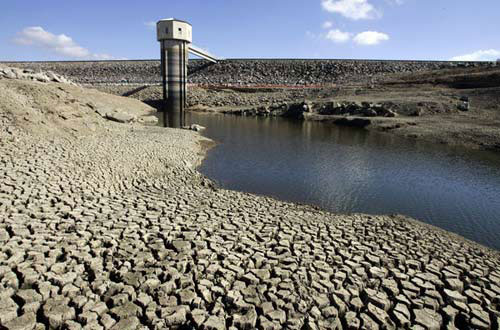
The tropics on Earth are spreading rapidly and more research is needed to help people adapt. Australian experts proposed.

Wine, the pride of France, will face a gloomy future if the climate change summit in Denmark at the end of the year fails to reach an agreement on cutting emissions.
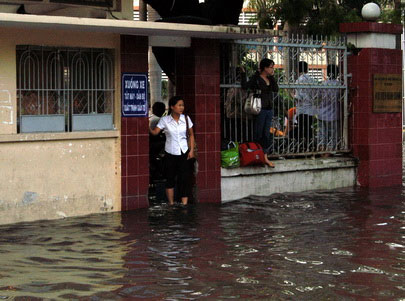
According to the Minister of Natural Resources and Environment Pham Khoi Nguyen, in the past 50 years, the average temperature in Vietnam has increased by about 0.5-0.7o…
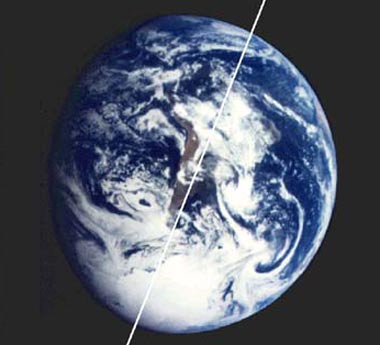
The warming of the oceans can make the earth tilt more and rotate faster in the next century.
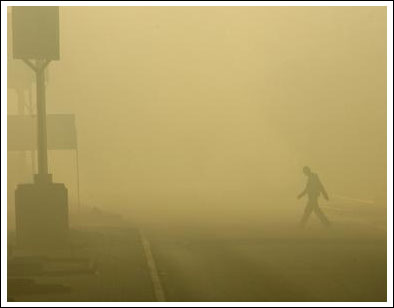
According to the Daily Telegraph, some places with hot climates in the world are taking advantage of the
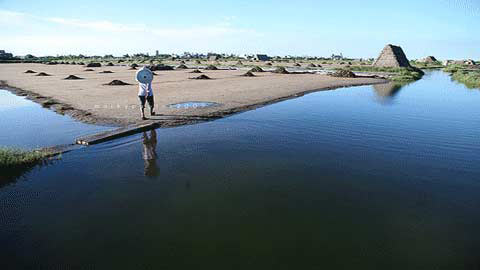
Vietnam belongs to the countries most severely affected by global climate change. The biggest challenge of Vietnam is not having appropriate strategies and policies.
Very fragile connections between the 11-year solar cycle, the tropical stratosphere and the Pacific active in a coordinated manner to create a global climate cycle that…
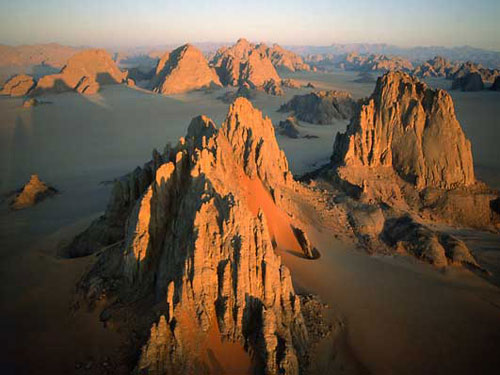
Archaeologists and scientists have hypothesized about 12,000 years ago, the Sahara has a rich, green beauty, not an arid desert.

The boats create clouds in Pacific waters will be an effective solution to overcome global warming.

US Secretary of State Hillary Clinton recently met with fellow Mekong countries' counterparts to discuss environmental cooperation.
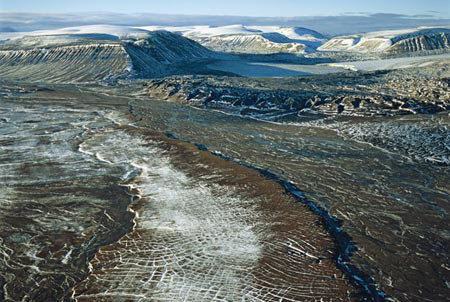
If the frozen soil melted completely due to climate change, trillions of tons of carbon would be released into the air, causing the earth's temperature to rise much fast…
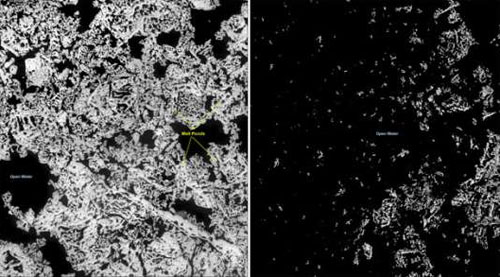
The US Geological Survey (USGS) recently revealed images that reflect global climate change that have a detrimental impact on the Arctic region.
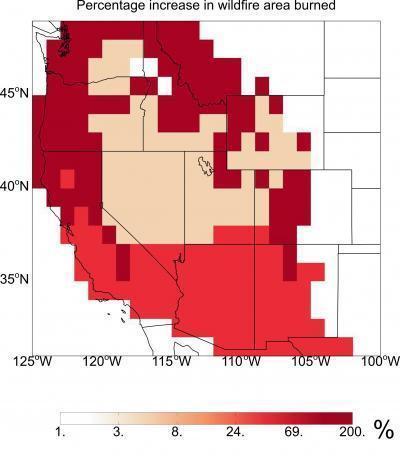
Because the climate warms up in the coming decades, atmospheric scientists at Havards' School of Engineering and Applied Science (SEAS) and colleagues say that the frequ…