Biology
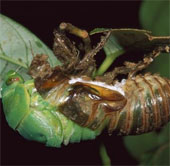
Close-up of the cicada process
On an occasion of research on organisms and insects, photographer Thomas Marent was fortunate to witness the process of a molting cicada.
Browse ScienceInfo articles and explainers related to Close.
865 published items.
On an occasion of research on organisms and insects, photographer Thomas Marent was fortunate to witness the process of a molting cicada.
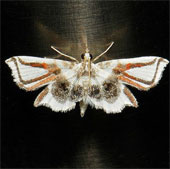
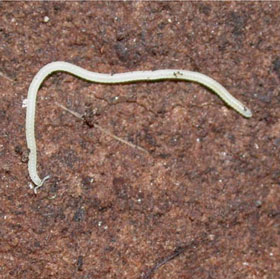
The world's most legacy record creature even has more anomalies than the number of legs
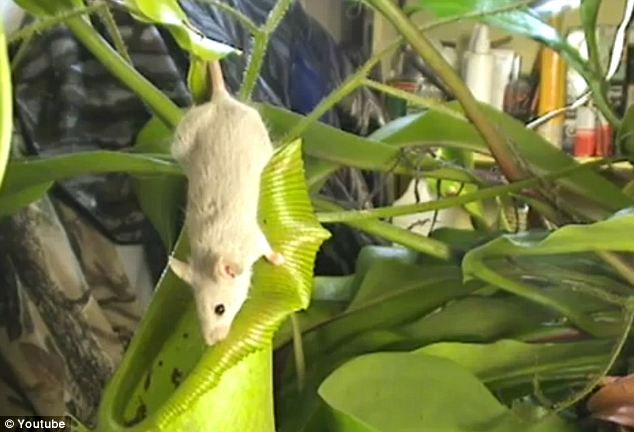
This is a plant close to Nepenthes spathulata, a carnivorous pitcher plant found on Indonesian and Sumatra islands of Indonesia. This plant can grow to more than 5 meter…
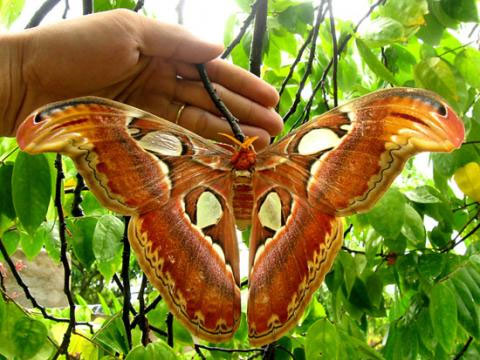
According to 'Vietnam Red Book', butterflies have the scientific name Attacus atlas, the level of threat is classified as R (Rare: Rare, possibly endangered). This butte…
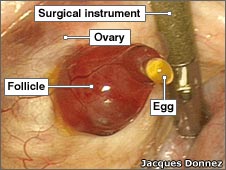
Scientists have captured a close-up image of a human egg falling out of an ovary, completely coincidentally during a normal operation.
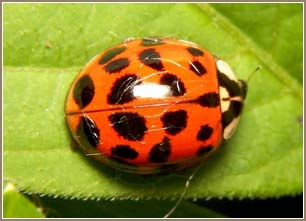
Ladybugs may look very beautiful but they also have 'dark' faces. In some places, these round-spotted insects are

A local resident looking for his missing goat discovered a python in the forest.
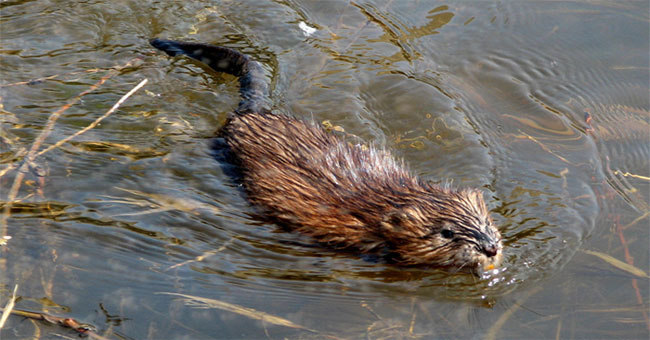
Have you ever imagined that the foul-mouthed rat could smell the scent and be used to ... make perfume? In fact, there is one such rat that bears the name muskrat.
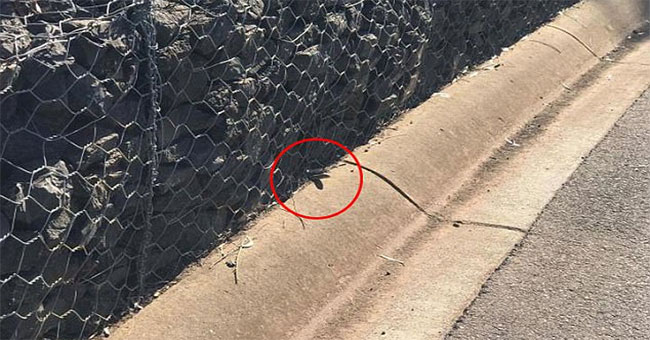
Although they seem gentle on the surface, when they get angry, they will become aggressive and extremely scary.
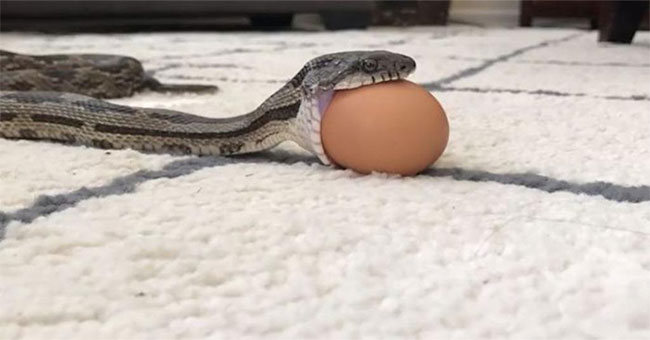
Recently, a resident of Fort Benning, Georgia, USA recorded an interesting scene, when a rat snake sneaked into the house and tried to steal a chicken egg.
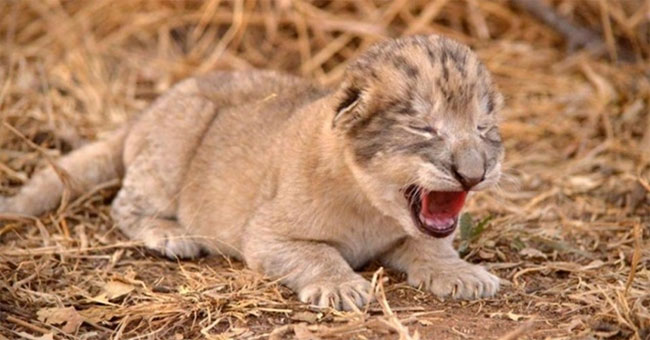
Two baby lions born in vitro fertilization marked the first success of scientists in saving the big cat from extinction ...
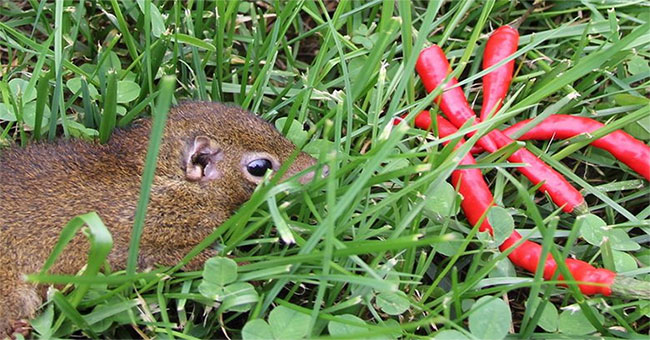
In fact, science has long discovered that tree shrews have close relatives with primates, and love to find spicy food in their natural environment.
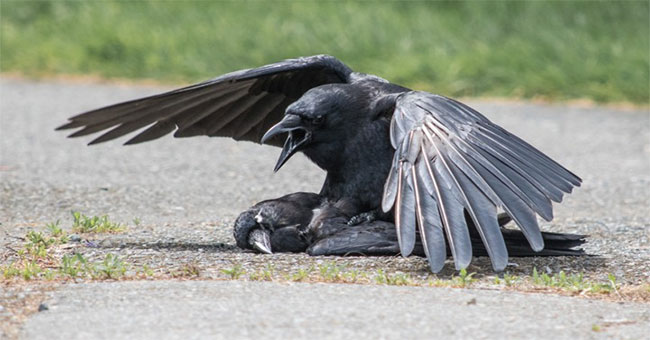
Crows are birds with high social behavior and they continue to have close relationships after death. Live crows often gather and make loud noise near the corpses, accord…
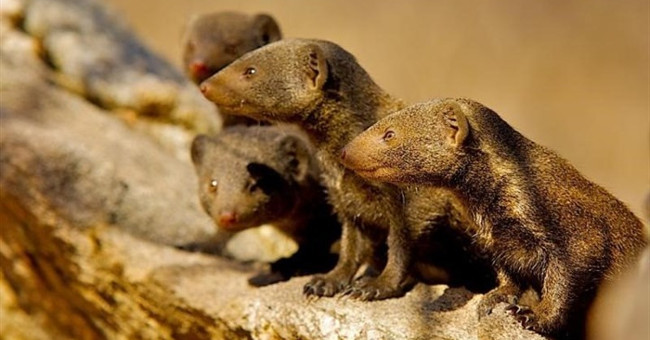
For a long time, many people believed that trading and exchanging activities only appeared in human society. But it turns out, wild animals do the same.