Space science
Origin of galaxies in the universe
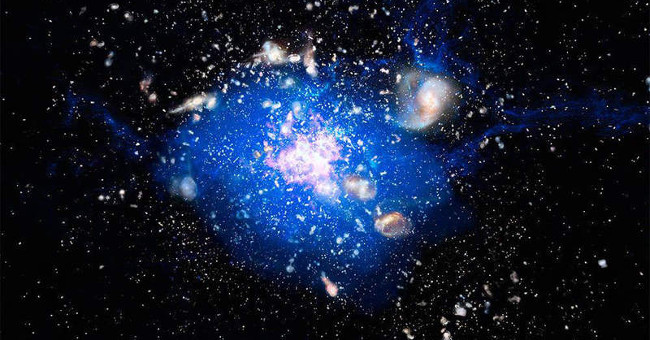
An international team of researchers observes the formation of galaxies from the cold gas of -200 degrees Celsius in the universe.
Browse ScienceInfo articles and explainers related to Cluster.
211 published items.
An international team of researchers observes the formation of galaxies from the cold gas of -200 degrees Celsius in the universe.
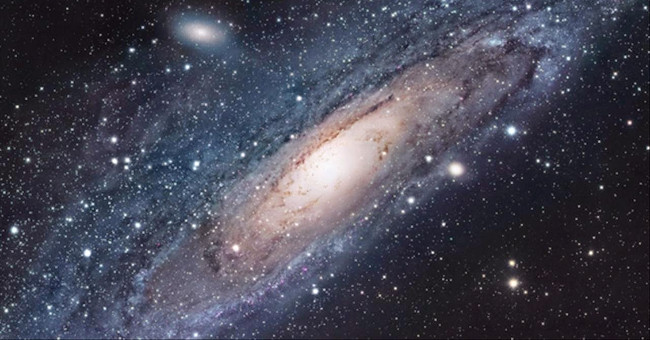
A strange group of stars has just been found in the center of the Milky Way, with unpredictable moves.
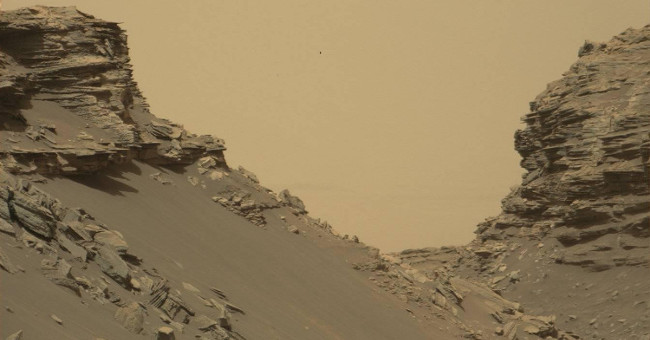
The little Curiosity robot is exploring the foot of Sharp Mountain on Mars, and has just sent home commemorative photos during his long journey.
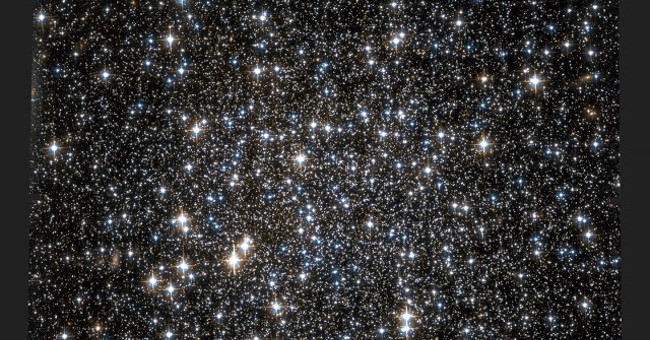
Based on computer simulations, scientists discovered that the globular cluster area NGC 6101 contained hundreds of black holes.
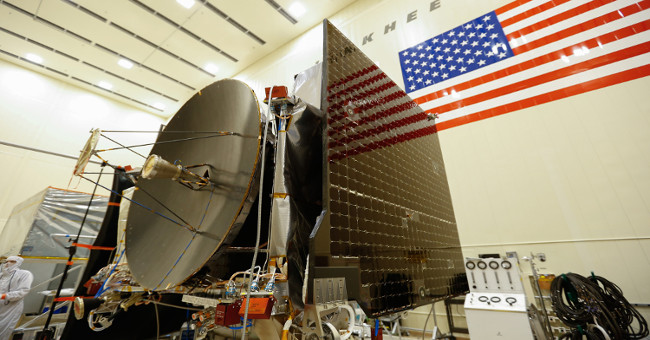
OSIRIS-REx's destination is the asteroid Bennu, with the goal of seeking the origin of life as well as the origin of the Solar System.
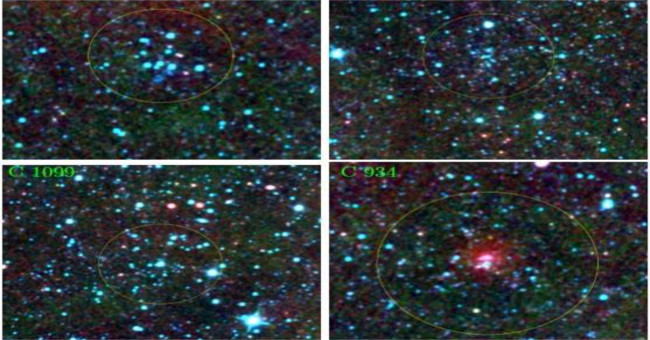
The galaxy's ring disc suddenly appeared 7 curious curiosities of attention.
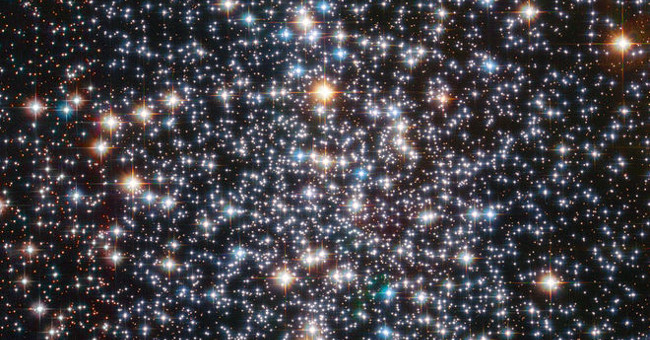
British scientists successfully reproduce the sound of some of the oldest stars in the Milky Way.
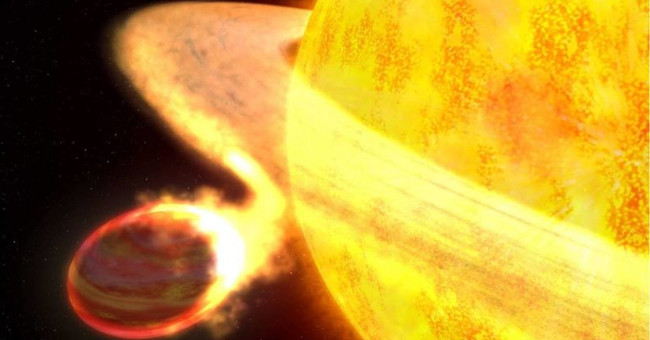
The stars may turn pink when swallowing an iron-rich planet, similar to the pink-feathered crane birds that eat a lot of shrimp.
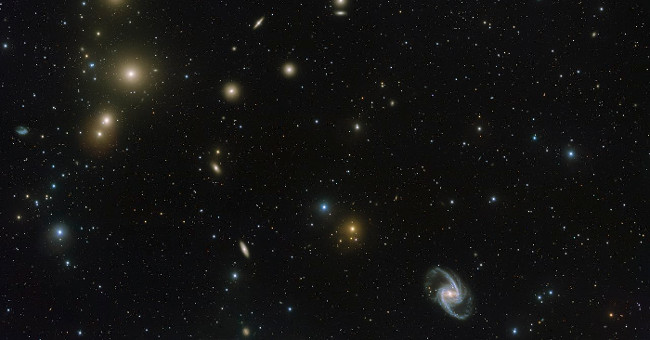
Between the Celestial clusters, there are three bright spots, the middle spot is the cD galaxy - also known as the carnivorous galaxy because it grows by using gravity t…
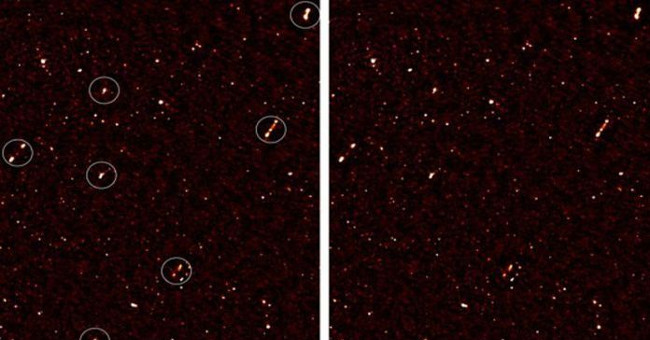
The cluster of 9 super black holes returned in a way that was beyond the knowledge of scientists and could reveal much information about the origin of the universe.
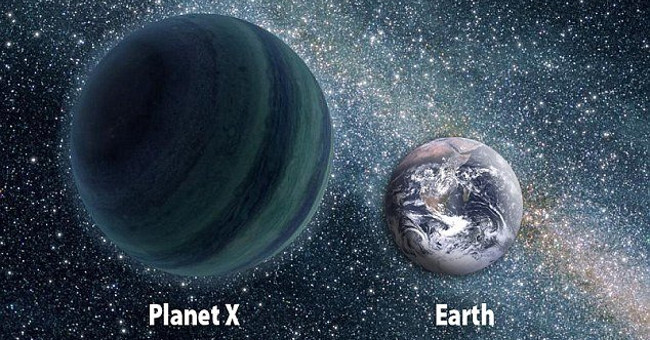
The ninth planet also hidden at the edge of the solar system may belong to another star who passed by a long time ago.
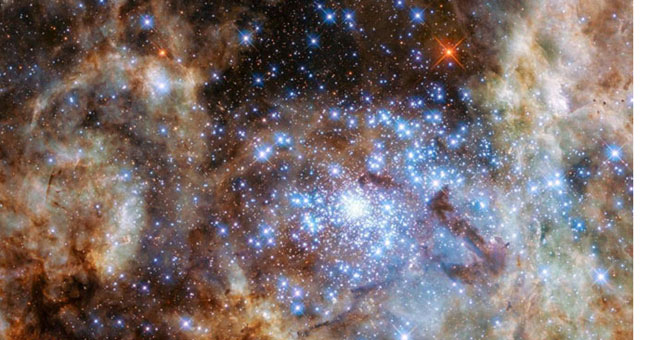
Scientists have found the largest star cluster in the universe to date, with a brightness of 30 million times the Sun.
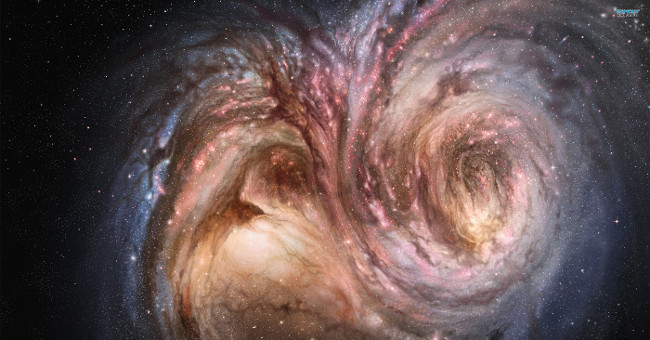
Astronomers analyze the largest cluster of galaxies that existed in the early days of the universe and estimated it had more than 500 billion billion times the mass of t…
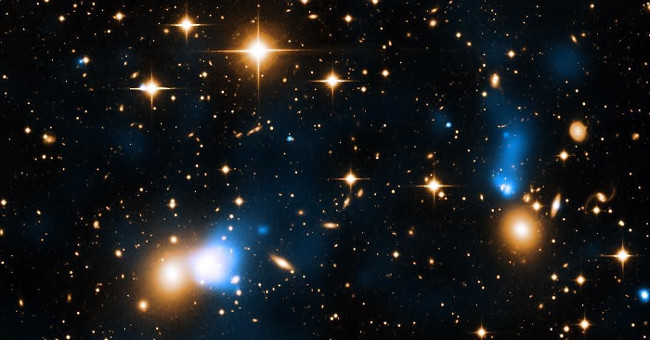
NASA's Chandra Observatory captured the image of a sparkling celestial object: a hot gas stream of 250,000 light-years long.
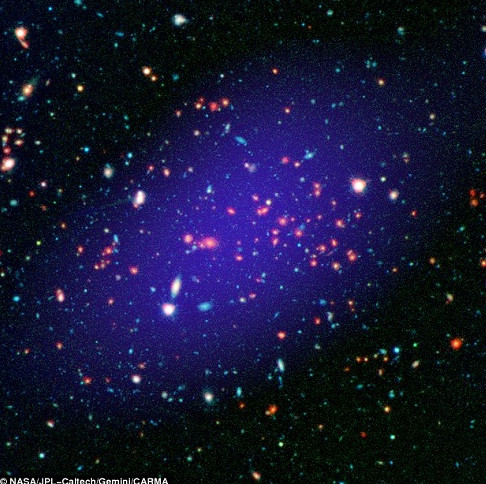
Astronomers have discovered a huge collection of galaxies in the extremely remote region of the universe thanks to NASA's Spitzer space telescope and Wide-field Infrared…