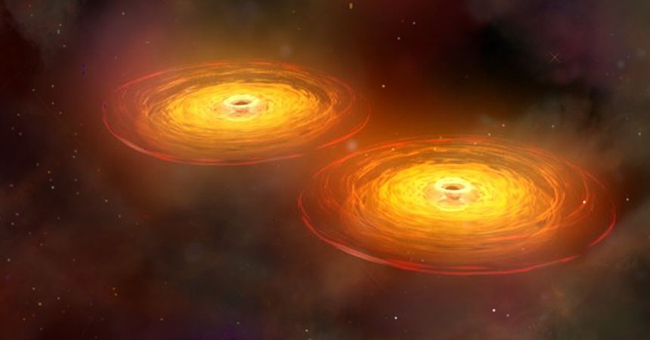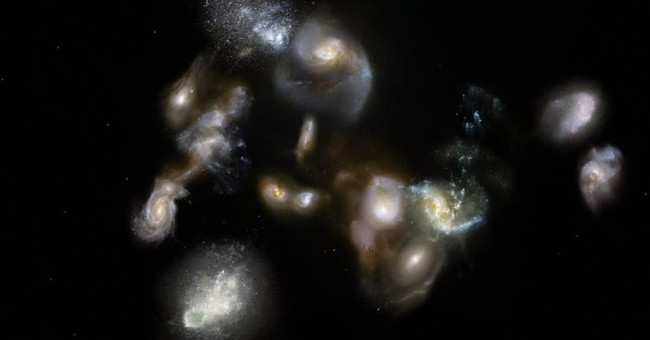
Space scienceBy looking at the ancient past of the universe, the researchers found collisions beginning about 1.5 billion years after the Big Bang, much earlier than originally antic…
December 17, 2018
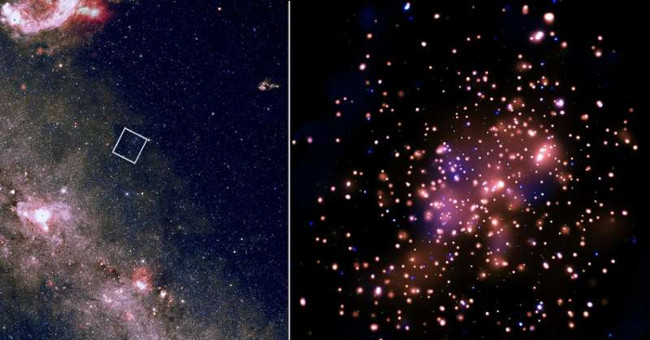
Space scienceNGC 6231, located about 5,200 light years from Earth, is an ideal test to study a cluster of young stars, at a critical stage in its evolution.
December 17, 2018
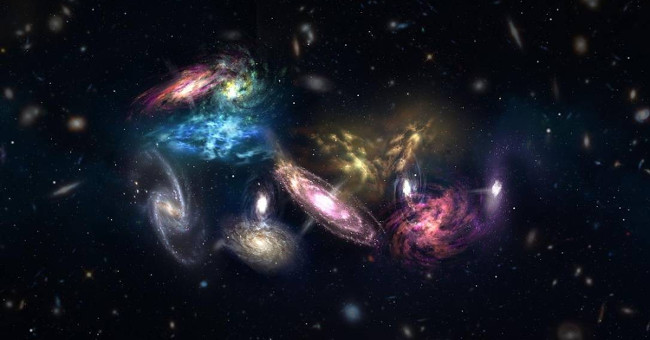
Space scienceAstronomers recorded images of 14 galaxies merging with a series of newly born stars.
December 17, 2018
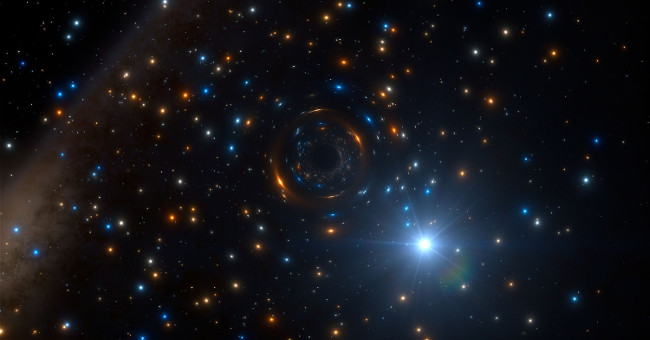
Space scienceAstronomers use ESO's MUSE device on the Very Large Telescope in Chile to discover a strange star in NGC 3201 cluster.
December 17, 2018
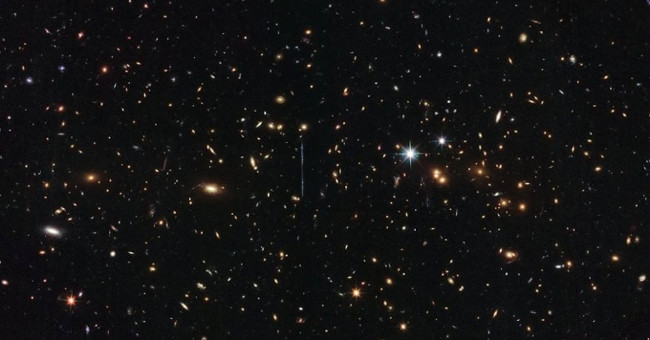
Space scienceEl Gordo in Spanish means
December 17, 2018
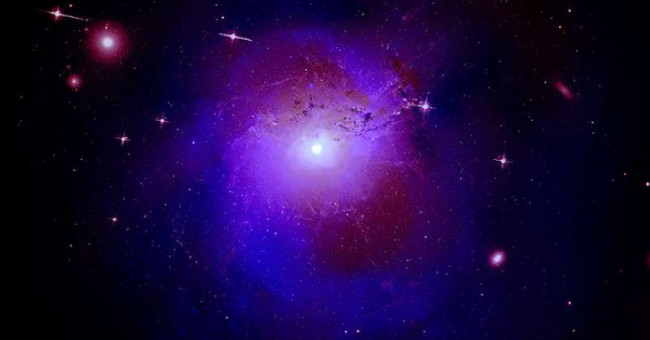
Space scienceDark matter is a strange material that does not emit light or energy, but it is thought to produce about 85% of matter in the universe.
December 17, 2018
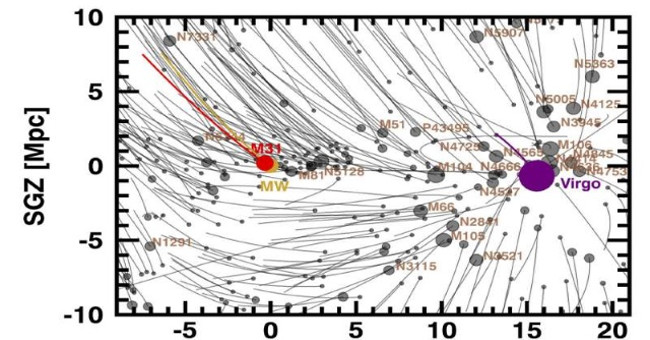
Space scienceThe spatial tracking map of 1400 galaxies has just been published by scientists.
December 17, 2018
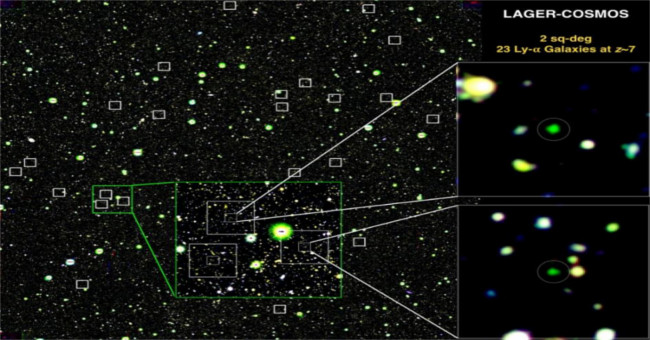
Space scienceAccording to researchers, about 300,000 years after the Big Bang, the universe is dark and filled with neutral hydrogen gas. The first galaxies and stars began to appear…
December 17, 2018
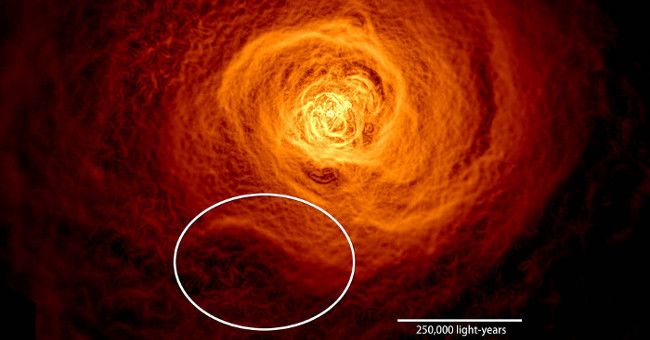
Space scienceThe giant 'tsunami' is such that only one wave can 'submerge' our entire galaxy.
December 17, 2018
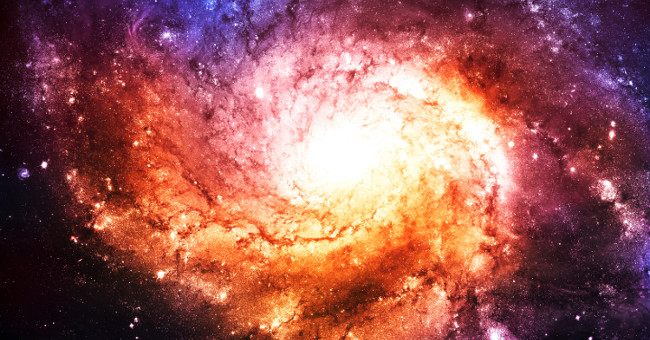
Space scienceGerman scientists discovered the largest magnetic field created by collisions between galaxy clusters.
December 17, 2018
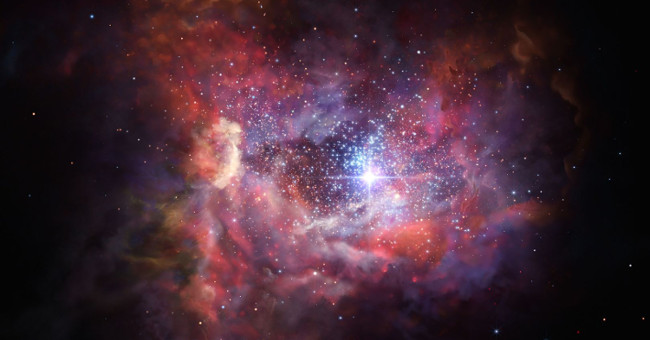
Space scienceAstronomers have discovered a cloud of sparkling cosmic dust at the age of 4% of the current age of the universe, making it one of the first rays of the universe ever re…
December 17, 2018

Space scienceUGC 12591 - This giant hybrid galaxy is located 400 million light-years from Earth and is one of the largest known galaxies in the universe.
December 17, 2018
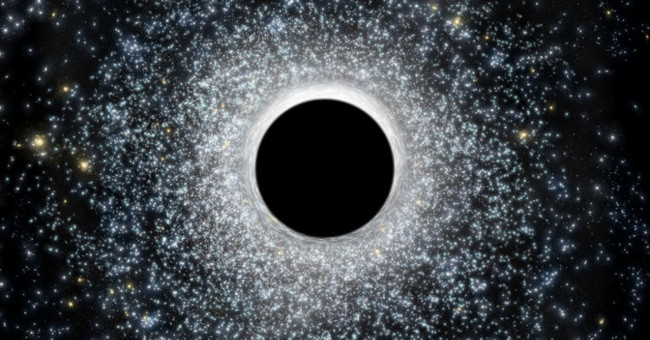
Space scienceThe researchers have found evidence of a new type of black hole, which is 2,200 times the mass of the Sun, hidden in a dense cluster.
December 17, 2018

Space scienceAccording to Canadian scientists, the Milky Way has a mass of about 400 to 580 billion solar masses.
December 17, 2018