Space science
Origin of galaxies in the universe
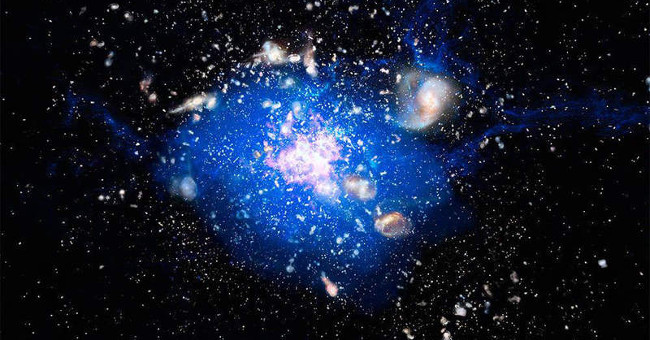
An international team of researchers observes the formation of galaxies from the cold gas of -200 degrees Celsius in the universe.
Browse ScienceInfo articles and explainers related to Cold.
1,328 published items.
An international team of researchers observes the formation of galaxies from the cold gas of -200 degrees Celsius in the universe.
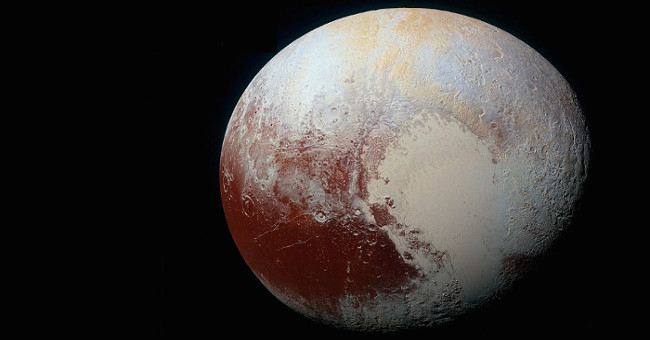
Experts are suggesting that Pluto is capable of nurturing life, based on some new evidence.

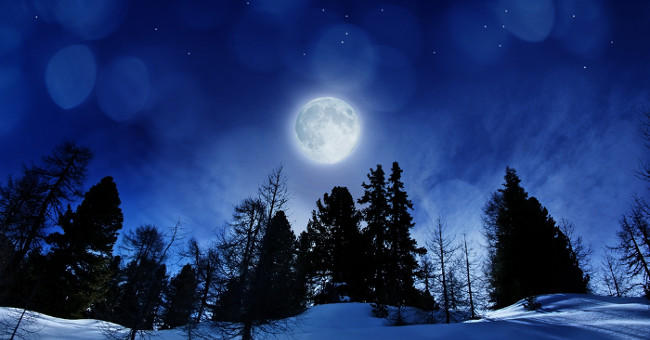
Full Moon sign (Full Moon) once in each month is a time when we can clearly see things around.

According to calculations, China's latest cold atomic clock is only a second later ... 1 billion years.
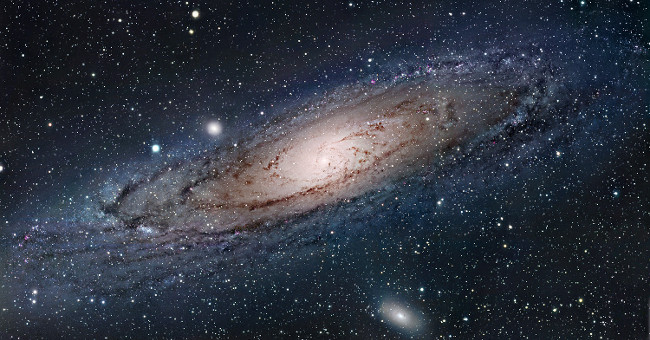
So far, the vast cosmic world still contains many mysteries that modern science has yet to discover.
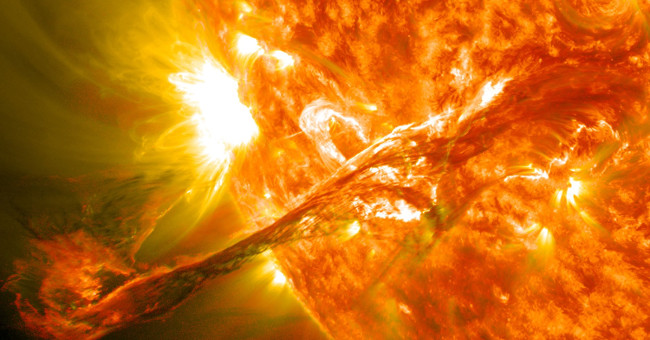
The world almost went through a nuclear disaster after a Sun storm interfered with radar and interrupted radio signals at the coldest time of the Cold War.
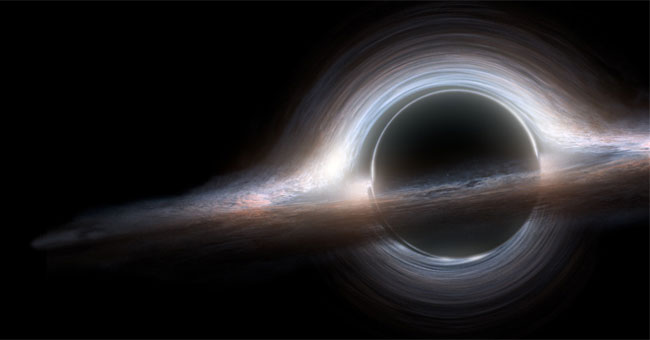
The planet around a black hole can also sustain life, thanks to the principle of thermodynamic reversal similar to the Sun and Earth.
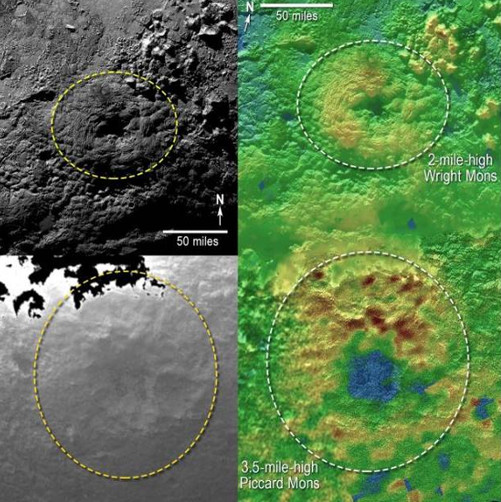
NASA research shows that Pluto may exist giant volcanoes that can spray ice instead of lava as usual.

On a cold January night, sharp stars radiate a sparkling light in the sky, while dawn, another similar planet - the sun - is red like a round fireball. .
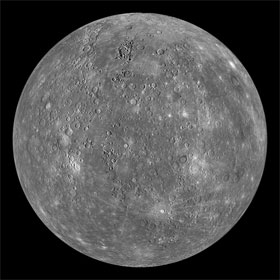
Mercury is the sun closest to the sun in the solar system, it has been studied quite well by scientists over time.
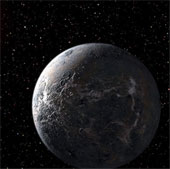
NASA's infrared telescope discovered 7 light-years away from the Sun has a cold, small brown star that does not shine.

Scientists have discovered the air characteristics on Mars 3.6 million years ago.
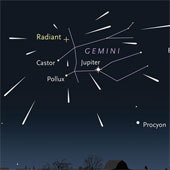
Due to the influence of cold air, cloudy sky, the Northern region will have less chance to observe the Geminids meteor shower, while in the South it is possible.
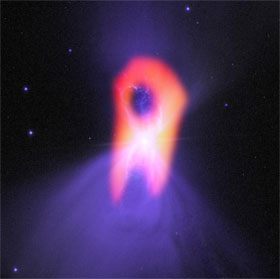
International astronomers have just confirmed the Boomerang nebula, 5,000 light-years from Earth, the coldest region in the universe with a temperature of about -272.2 d…