Animal world
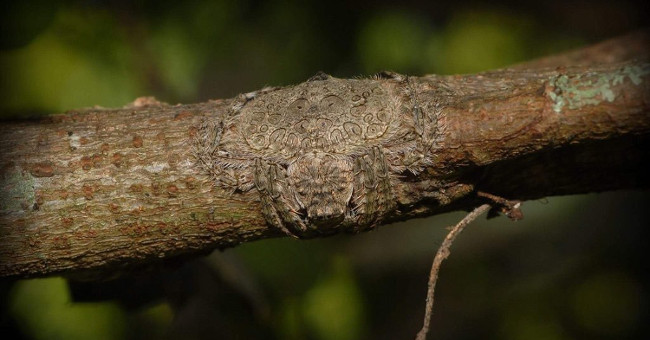
Horror spider species have superior stealth ability
The Australian-covered spider is not famous for its deadly poison, nor for its aggressive, cold-blooded, they are impressed by its superior invisibility.
Browse ScienceInfo articles and explainers related to Cold.
1,328 published items.
The Australian-covered spider is not famous for its deadly poison, nor for its aggressive, cold-blooded, they are impressed by its superior invisibility.
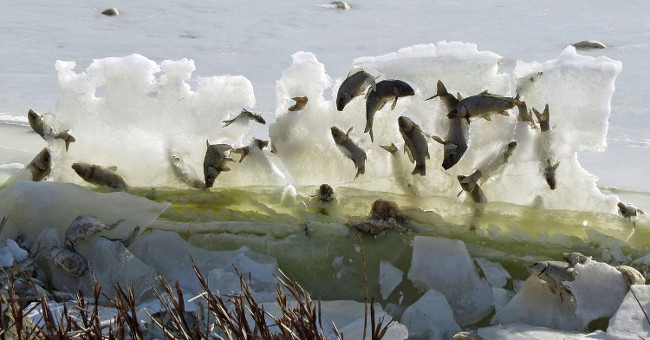
The picture of a series of frozen fish in the ice floating on the lake in South Dakota, USA is making netizens flutter.
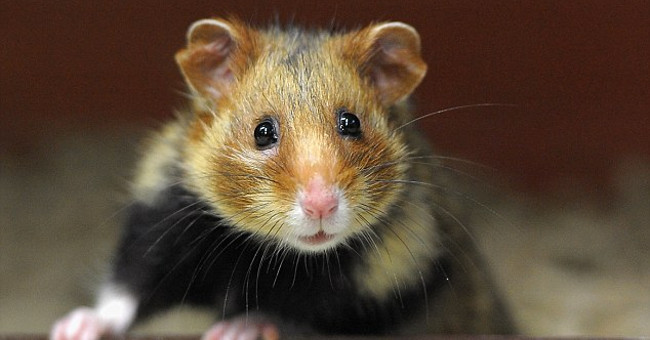
Hamster mice even eat their children. What kind of plants do you think is causing this?
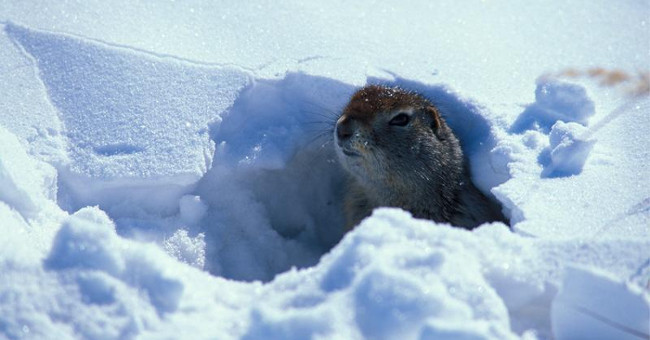
Wild animals do not have amenities like clothes or heaters like humans. But they always have a way to survive in the coldest areas.
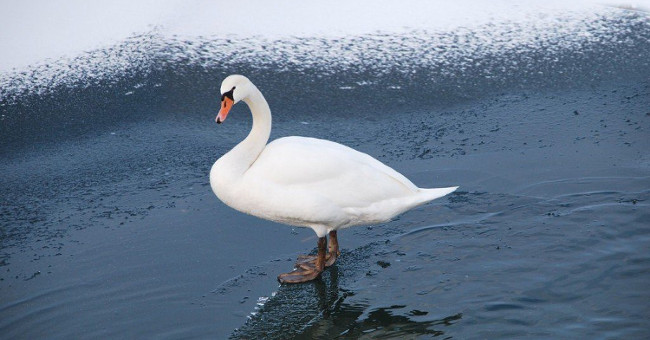
According to Scienabc, if you've ever walked to the street on a cold winter day with bare feet, you will feel how terrible the pain is. You can hardly stand anymore.
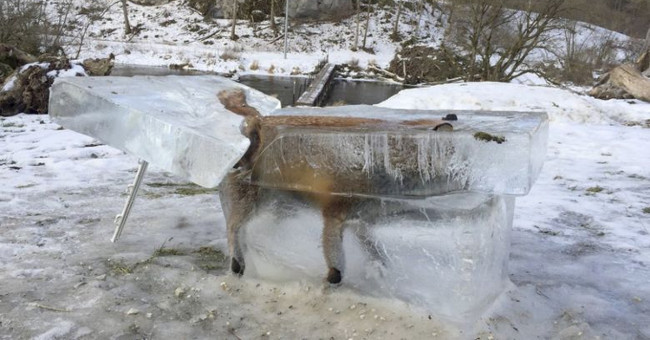
A hunter found the dead fox's body completely frozen in a large block of ice wrapped around the body on the Danube, Germany.
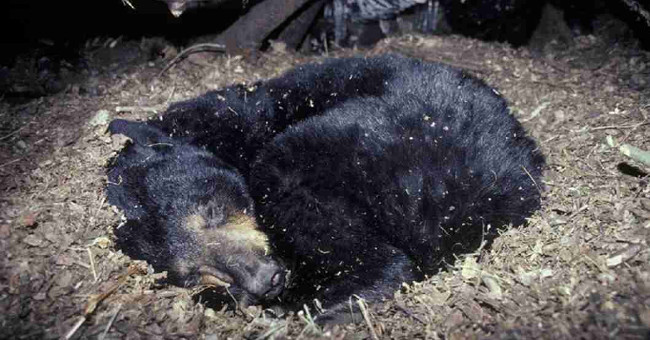
Some animals can still stumble into the road even when their body temperature is less than 0 degrees Celsius.
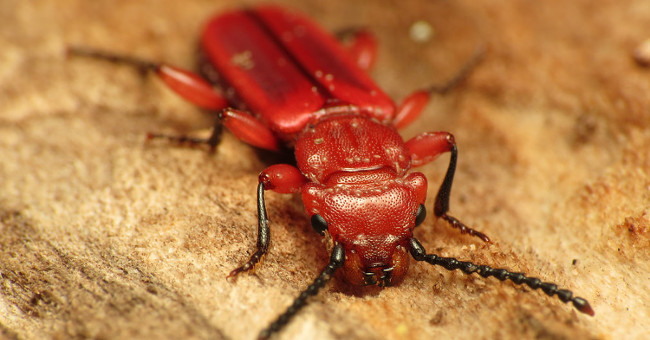
Some animals are endowed with excellent cold resistance. The bodies of these organisms can produce natural anti-dynamic substances, which help them fight fatal body free…

Snails living in the cold waters of the Arctic, but swimming smoothly with soft wings like butterflies.
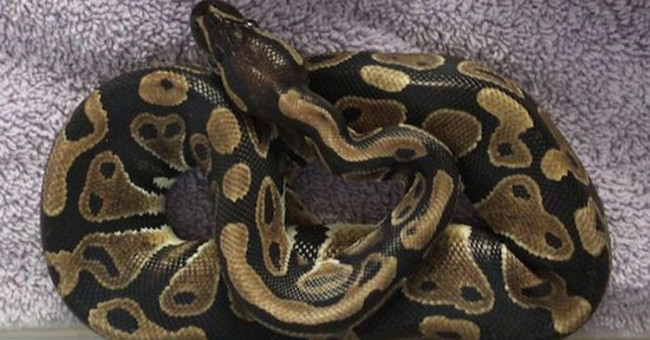
From the frozen state, the dying python was promptly warmed and miraculously resurrected.
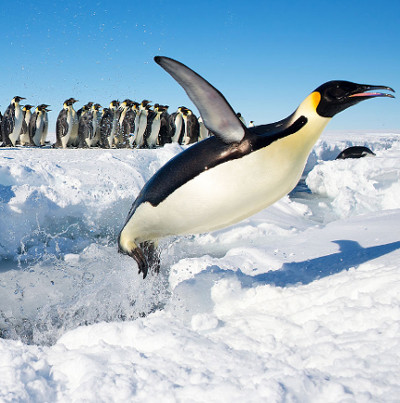
Penguins still function normally in the cold - 50 degrees Celsius of Antarctica without worrying about freezing thanks to some superior waterproof properties.

Warm weather often makes us think of tiny tree frogs and frogs jumping somewhere. But what happens to frogs in winter? If they can't dig enough deep into the rock
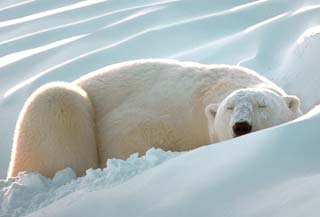
Winter in the Arctic, temperatures drop very low, accompanied by very scarce foods. When the ambient temperature drops, it is difficult to find food, polar bears start t…
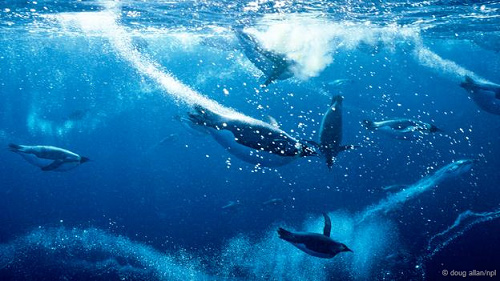
In order to survive in Antarctica, species must have evolved to change their biochemical and shape properties.
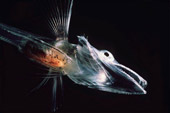
Wooden fish and frogs can make their own proteins to keep their bodies from freezing when they live in cold water, animals release glue ...