Space science
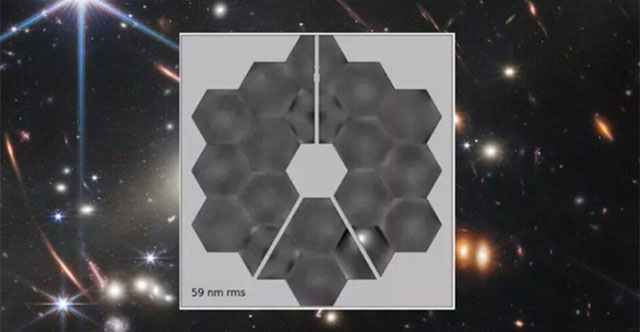
Meteor causes 'unrepairable' dent in James Webb glasses
An unexpectedly large meteorite crashed into the James Webb space telescope in late May, leaving a dent in the gilded mirror.
Browse ScienceInfo articles and explainers related to Collision.
417 published items.
An unexpectedly large meteorite crashed into the James Webb space telescope in late May, leaving a dent in the gilded mirror.

The world's most powerful particle accelerator, the Large Hadron Collider, is gearing up for its next run after a three-year hiatus for an upgrade.
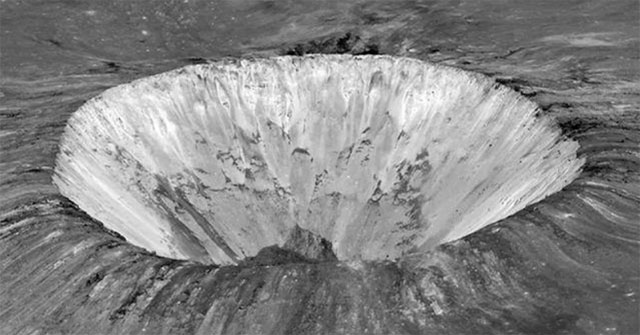
The moon is not a very big planet, why can it contain such a large amount of this? This question has made scientists determined to find an answer.
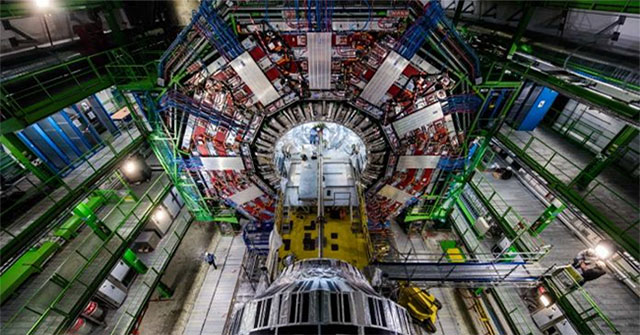
Restarting the Large Hadron Collider (LHC) this week after a temporary shutdown due to the COVID-19 epidemic.
Collisions with unidentified flying objects (UFOs), also known as flying ground, have left Americans with radiation burns, brain and nervous system damage.
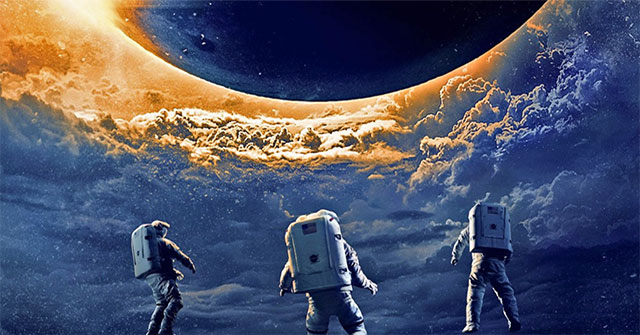
The trailer of the movie Moonfall shows us a scenario in the future where the moon will collide with the Earth, but is this possible in reality?
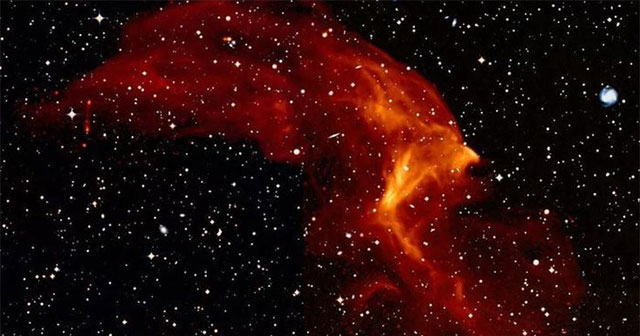
Scientists have discovered that the collision caused a shock wave 60 times larger than the entire Milky Way and about 100,000 light-years across.
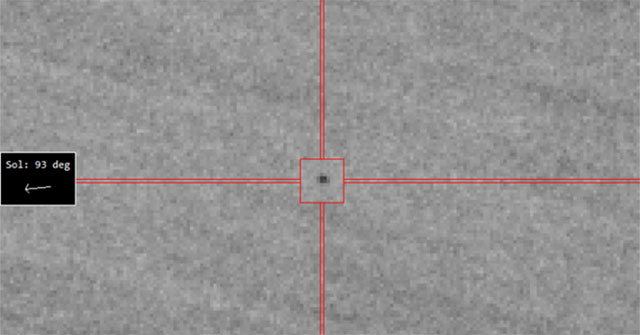
Through careful observation, experts determined that the 70-meter-wide asteroid 2022 AE1 will pass 10 million km from Earth next year.
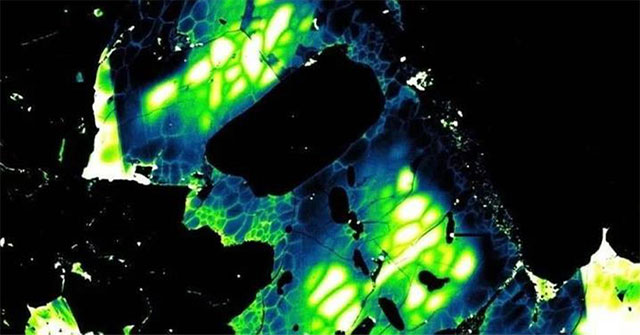
The Chelyabinsk meteorite that caused horror when it exploded over Russia in 2013 has just been proven to be related to a giant collision that shattered the Earth, formi…
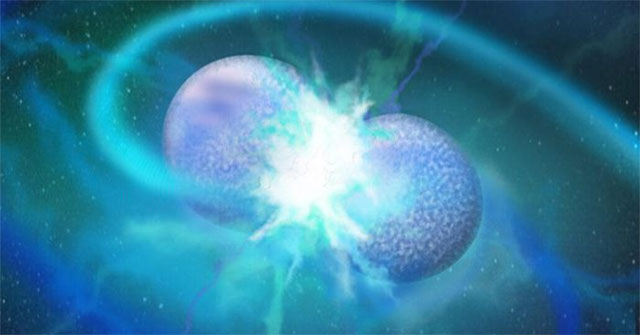
Like the phoenix, some stars can explode with life and emerge from the 'ashes' of previously passed stars.
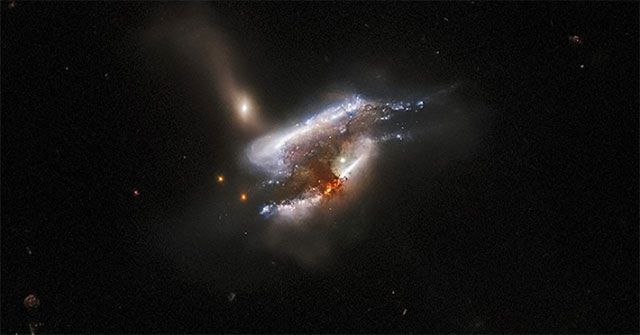
Observations from space and ground telescopes provide a stunning view of the three-galactic collision known as IC 2431.
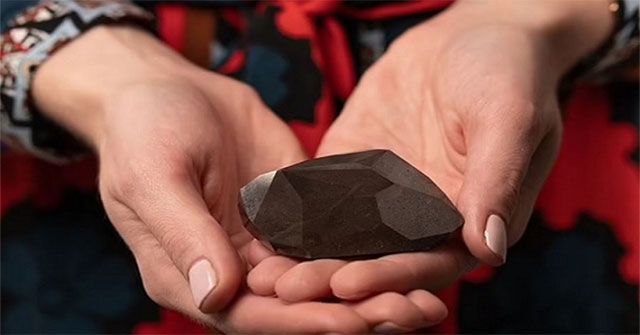
The rare 555.55-carat black diamond, the result of an asteroid-Earth collision billions of years ago, could be worth as much as $5 million.
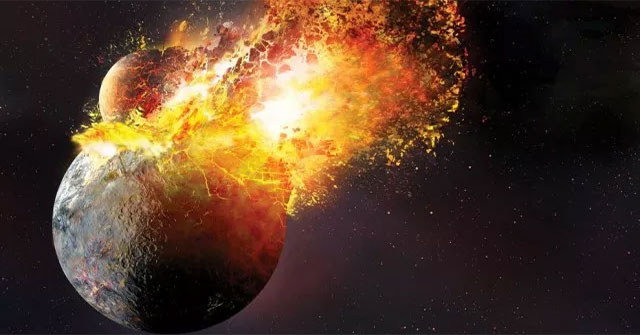
Australian scientists have come up with a shocking explanation for the extremely low-velocity region inside the Earth - another world with a giant ocean of magma, made u…
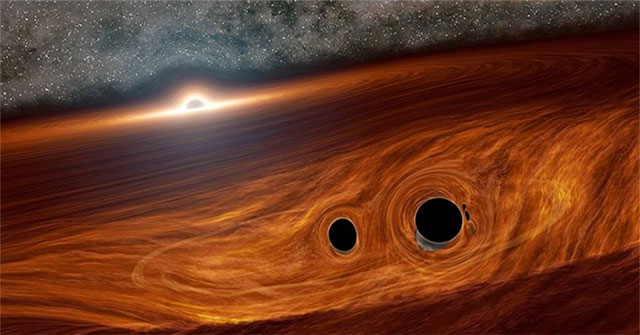
According to Space, astronomers may have seen light from two colliding black holes for the first time.
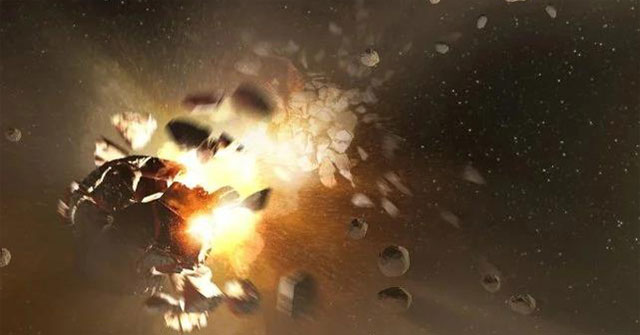
A new study from Denmark has deepened the hypothesis of a bioburden 467 million years ago and a link between the two asteroid collisions.