Space science
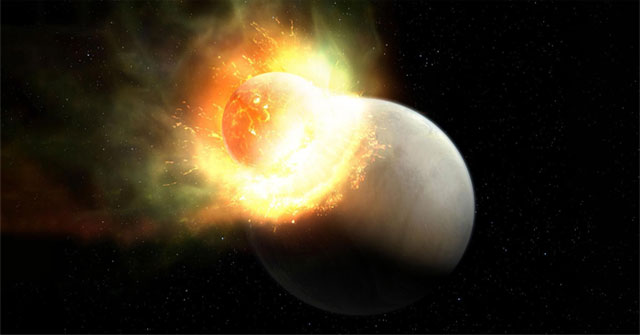
Discovered a planet that lost its entire atmosphere after a huge meteorite impact
Astronomers have discovered for the first time a planet that lost its entire atmosphere after an extremely large meteorite impact.
Browse ScienceInfo articles and explainers related to Collision.
417 published items.
Astronomers have discovered for the first time a planet that lost its entire atmosphere after an extremely large meteorite impact.
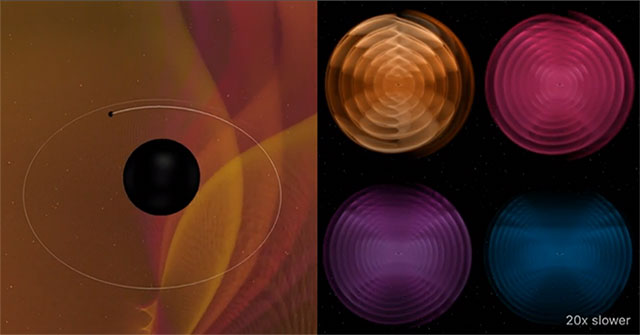
Astrophysicists have discovered the strangest radio signal ever, coming from a merger between a black hole and an unknown object.
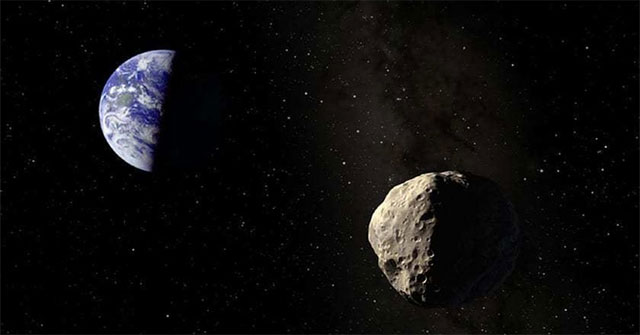
The cable system, formerly used for space elevators, connected the Moon and Earth, and can now be used to tie asteroids together.
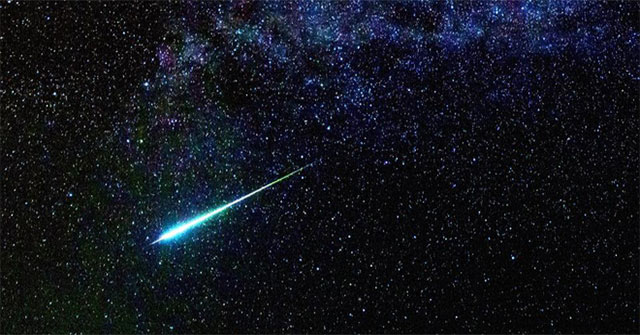
Named after British astrophysicist Edmund Halley, the Halley Comet is one of the most famous comets in the history of astronomy.

Australians were surprised to find a strange green object glowing in the night sky. Strange objects can be seen throughout Victoria and South Australia.
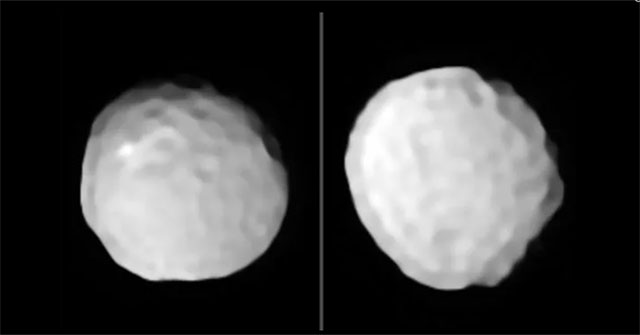
A giant asteroid about 1/7 the size of the Moon surprised astronomers with its special history.
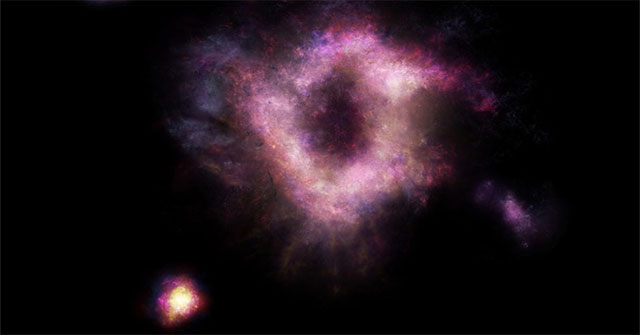
In the data of more than 4,000 detected galaxies, R5519 emits strong light and has the clearest ring structure.
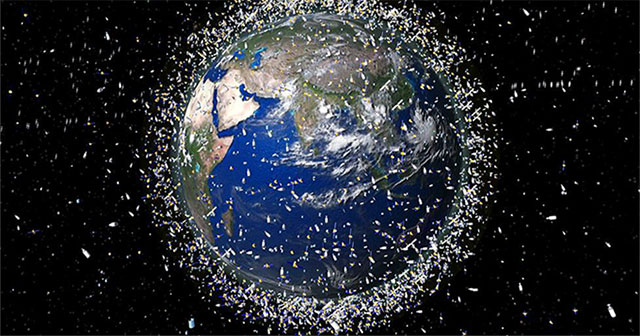
Since 1957, the low orbit around the Earth has become an environment full of 'garbage' after more than 2,200 satellite launches.
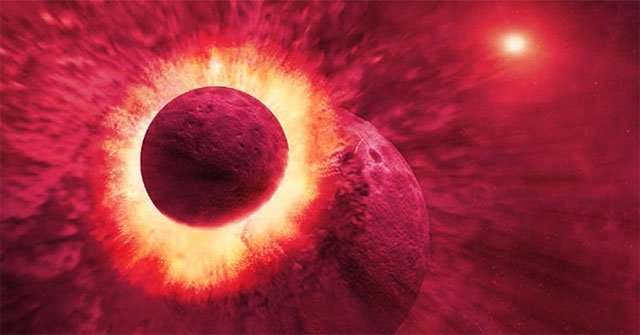
How the moon was formed is a question that scientists have been searching for answers for centuries.
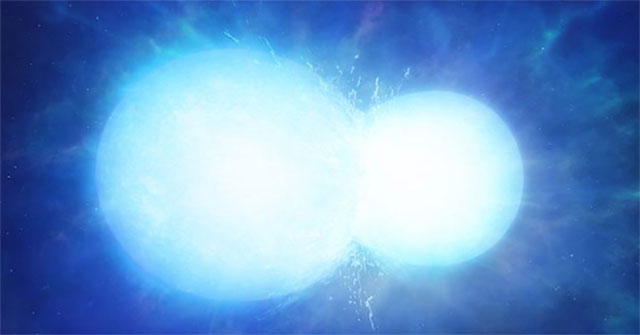
New research shows that the giant white dwarf WDJ0551 + 4135 may be formed by a collision between two other white dwarfs.
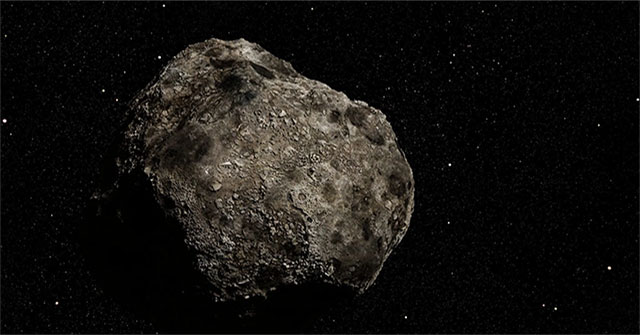
This large-sized meteorite is flying towards the Earth, there may not be a collision but it is still subject to observation.
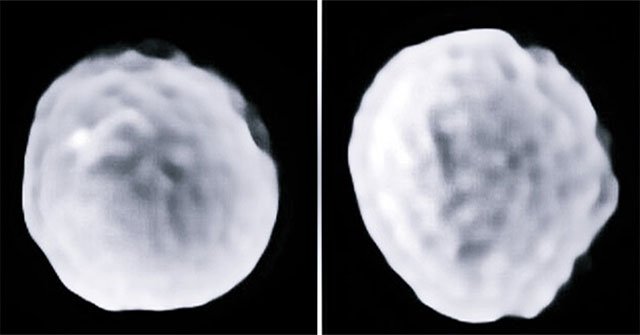
Pallas has countless giant craters on the surface due to collisions with other planets, causing it to warp like low-resolution golf balls.
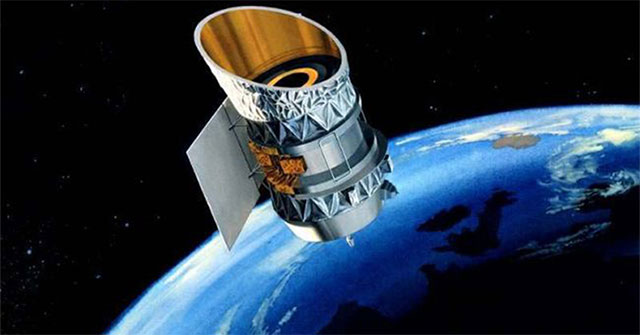
IRAS and GGSE-4 satellites are likely to escape the risk of collision above Pittsburgh, Pennsylvania, USA, at 6:39 am on January 30 (Hanoi time).
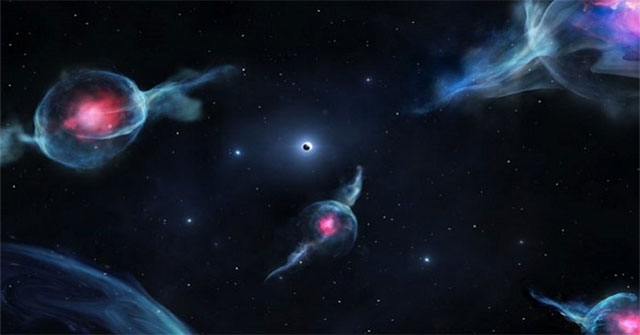
Astronomers discovered six objects orbiting the supermassive black hole Sagittarius A * in the center of the Milky Way, most likely a merged star cloud.
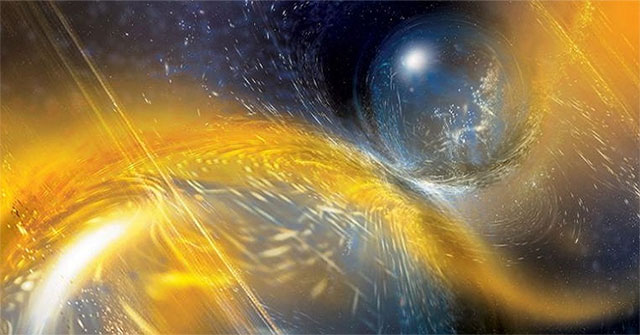
Astronomers for the second time discovered gravitational waves generated from the intense merger of two neutron stars.