
Archeology
New discovery about the ancient origin of grape wine
Until now, the scientific community noted the oldest grape wine traces found in the Zagros area of Iran in the year 5,400 -5,000 BC (about 7,000 years ago).
Browse ScienceInfo articles and explainers related to Community.
462 published items.
Until now, the scientific community noted the oldest grape wine traces found in the Zagros area of Iran in the year 5,400 -5,000 BC (about 7,000 years ago).
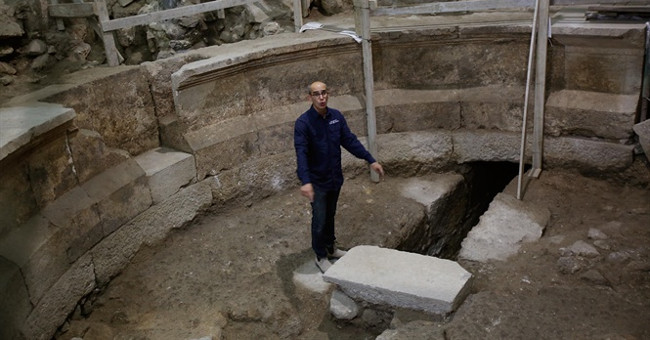
Israeli archaeologists announced on October 17 that they are excavating the first Roman community structure at the foot of the Wailing Wall in Jerusalem.

Historically, Maya has been one of the most ancient civilizations, in which there are many great mysteries, and even somewhat gruesome customs.
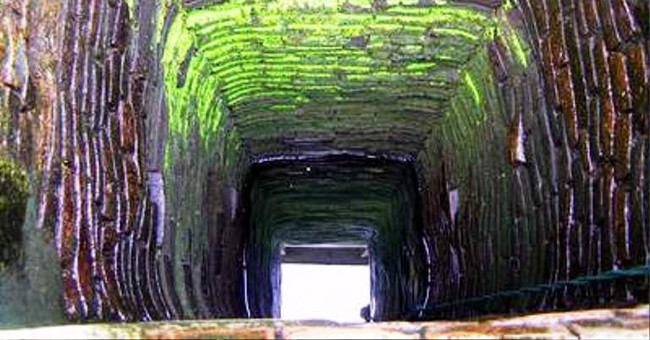
In the morning of May 5, Quang Nam Department of Culture, Sports and Tourism cooperated with authorities and people of village 6, Huong An commune, Que Son district to d…
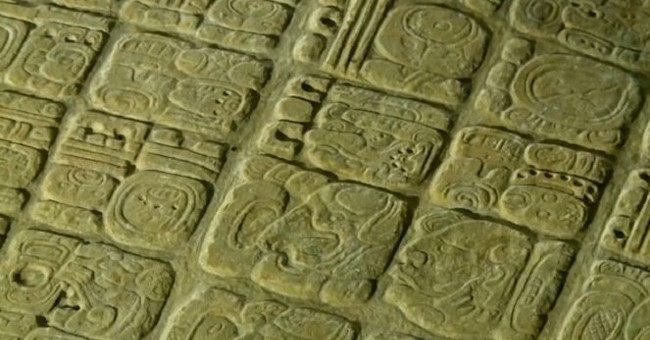
Guatemalan archaeologists have announced the discovery of two more than 2,700 year-old collective kitchens of the Mayan tribe in the village of Santa Fe Ocaña de la Cruz…

Archaeologists have found in the Chan Chan ruins of Peru a sophisticated communication device, dating back to 1,200 - 1,400 years ago.
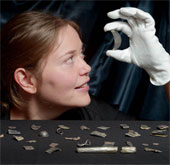
The treasure consists of many pieces of silver, coins and jewelry found in northeastern Scotland.
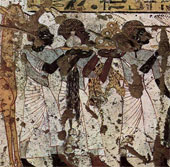
About 6 millennia ago, there were about 37 large mammal mammals that once roamed the deserts and river valleys that now lie in the territory of Egypt.

So far, the scientific community is still debating whether humans are the main
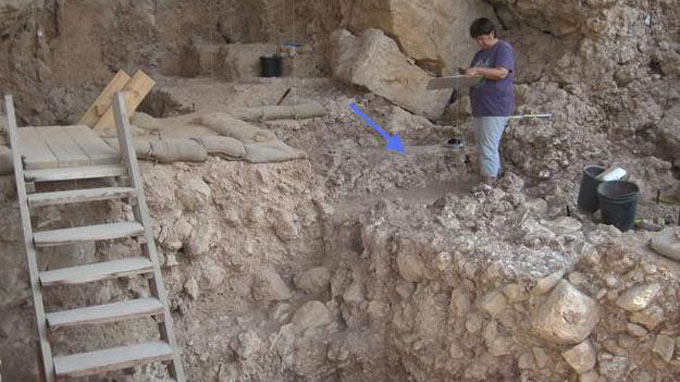
Scientists have just announced the discovery of a 300,000-year oven at Qesem cave (near Rosh Ha city, Ayin, Israel).
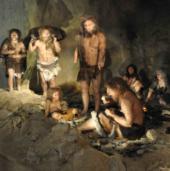
A genetic variant inherited from the extinct Neanderthal genus may increase the risk of diabetes in the South American community.
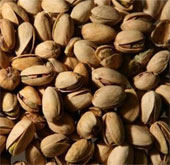
Eating nuts and head fruits is a major cause of dental disease in prehistoric people.
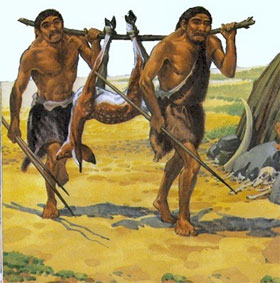
The time when these two groups coexist together lasts about 2,000 years, longer than previously thought.
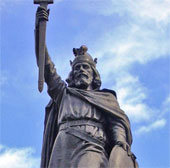
The Church of England has allowed experts to conduct a test of the remains believed to belong to King Alfred the Great and his family.