
Discover science
China and Russia develop extreme cold-resistant material that can maintain mechanical properties at -150°C
The material is expected to be ideal for making mechanical parts and structures that operate in extremely cold conditions.
Browse ScienceInfo articles and explainers related to Composite.
47 published items.
The material is expected to be ideal for making mechanical parts and structures that operate in extremely cold conditions.
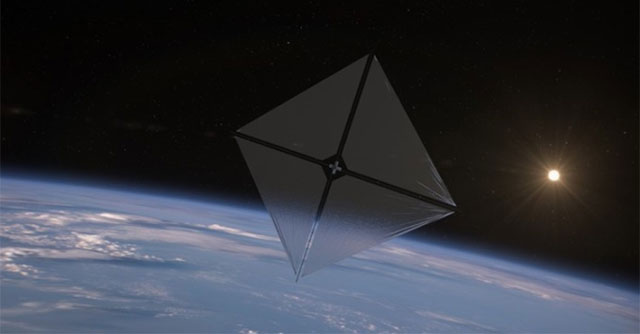
NASA is testing a sail system that uses solar energy to propel spacecraft through space.

Diamond can be compressed into something even harder than itself, and scientists already know how to get this material.

Engineers at the University of Vienna have developed a new composite material that creates an effective filter for removing organic pollutants from water.

Chinese researchers have developed a two-layer lubricating composite that exhibits excellent mechanical resistance and a unique stress-dissipating mechanism.

Chinese scientists have developed a new type of composite material that is a thousand times more resistant to fire, mold and mildew.

The scientists worked together to work on improving the storage density of optical drives.

In a world that seems to be engulfed in plastic bottles, recycling this waste into useful materials will reduce the impact on the environment.

Scientists have created a new material combining silk and wood pulp that has similar properties to plastic, but is biodegradable and environmentally friendly.
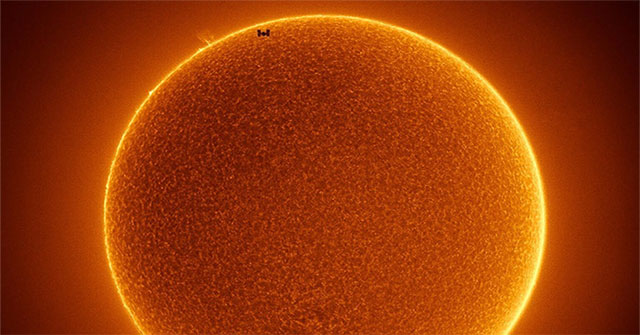
NASA shares a beautiful picture depicting the small shadow of the ISS station in contrast to the giant surface of the Sun.

JD Composites - a Canadian architectural firm has just completed the prototype of a house with storm resistance, in particular, made from a total of 612,000 recycled pla…

The resulting material is much lighter than conventional metal bulletproof armor, but has the same durability.

Netizens really are not always quiet. Regardless of the familiar dramas, sometimes just one photo is enough to talk about.

The Roscosmos Russian Space Agency is developing a methane rocket engine to compete in the global race.

At 46 billion pixels in size and 194 GB in size, this is a photograph of the Milky Way galaxy with the highest resolution that astronomers have ever taken.