Medicine - Health
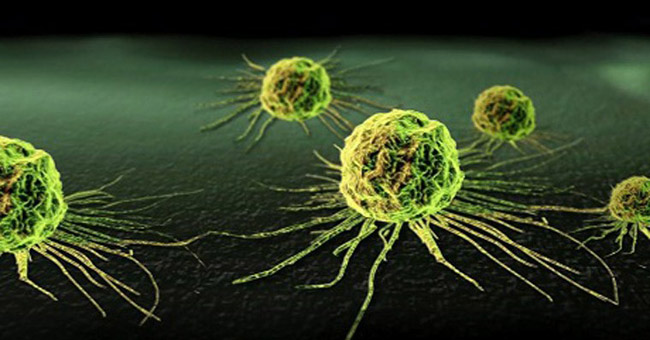
Cancer can be transferred from people?
Cancer cells can be spread from person to person through blood contact, such as blood donation or sharing needles, even from mother to child during pregnancy.
Browse ScienceInfo articles and explainers related to Contact.
374 published items.
Cancer cells can be spread from person to person through blood contact, such as blood donation or sharing needles, even from mother to child during pregnancy.
People who contact photocopiers for a long time are at risk of respiratory diseases such as coughing, dry throat, difficulty breathing. At a higher level, neurological d…
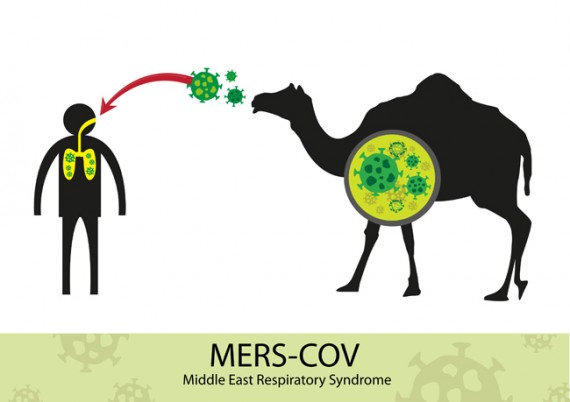
A new deadly epidemic of disease, known as Middle East Respiratory Syndrome, is taking place every day, every hour approaching Vietnam.
Barefoot has been scientifically proven to bring a lot of health benefits and is also considered an alternative therapy.
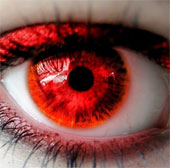
It's not just being infected that causes red-eye pain!
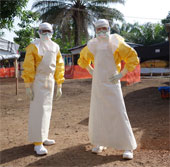
People with HIV can live for many years if they are given medication, but any case of contact with an infected person is almost like a death sentence.
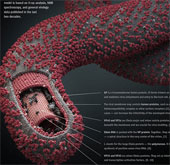
Epidemic of dengue fever caused by Ebola virus is becoming a fear of the world. Many people are confused about whether to move during this time?
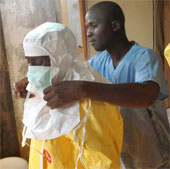
Wash your hands often with soap, avoid contact with animals at high risk of Ebola virus infection ... to prevent spreading the disease.

Small sports like tennis can cause eye damage if not cautious. Using makeup like mascara for too long also hurts your eyes.
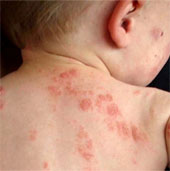
Cold weather, stress, wearing wool, exposure to detergents, soaps, lotions, sweating and pollen ... can cause your skin to become eczema.

Control the television, the electric light switch is the two dirtiest objects in the hotel room. Supermarket carts are home to bacteria from other shoppers or germs from…
A group of Israeli scientists from Bar-Ilan University has developed technology that can help innate blind people to see it, with the help of an electronic biological co…

Boy Lucas Tomlinson (6 years old) has a strange allergy that could put him in danger if he comes into contact with foods that contain nuts or nuts.
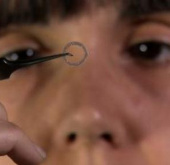
Scientists at the University of Sheffield have developed a method of implanting a contact device into the eye for patients with corneal lesions. This new technique can h…