Health
Contraceptives are safe and effective
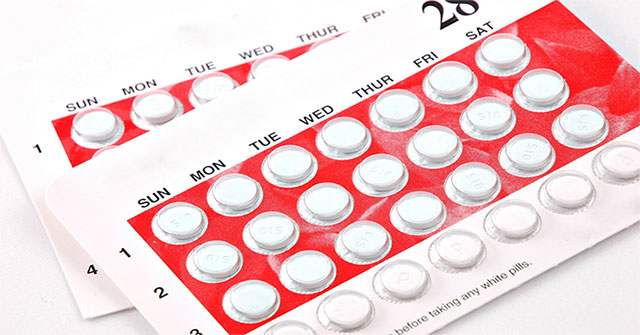
Currently there are many methods of contraception, but not all contraceptives are good and do not affect the health of women.
Browse ScienceInfo articles and explainers related to Contraception.
49 published items.
Currently there are many methods of contraception, but not all contraceptives are good and do not affect the health of women.

Unintended pregnancy not only affects your work plan, upsets your life but also affects your family's happiness.
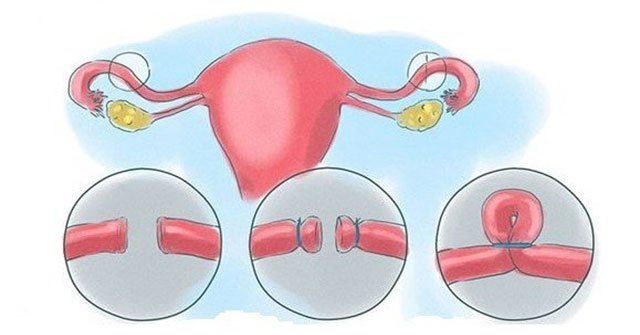
Sterilization is a method of contraception that provides a sure, lasting effect and is used by many countries around the world.

Researchers from the Massachusetts Institute of Technology (MIT) in the United States are currently developing an oral contraceptive method that must be taken only once…

Before the advent of condoms, the ancient people had devised ways to limit their fertility. D

Sneezing to prevent pregnancy, tasting earwax to catch disease ... is the old conception of the ancient Greeks.
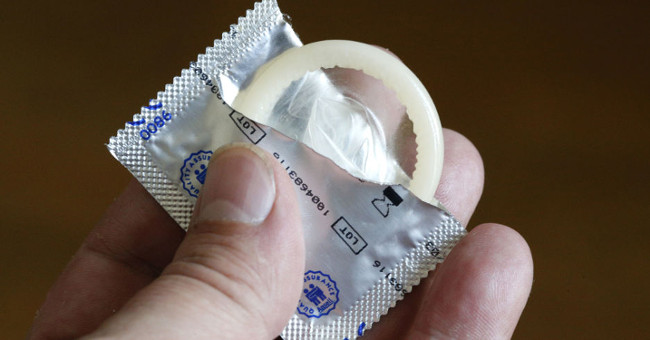
Condoms are needed even when having oral sex but you need to be aware of the expiration date, otherwise it will lead to rashes, skin irritation.

A Swedish charity recommended NASA to consider putting condoms in space for aliens to use when arriving on Earth.

The astronaut has an anal acupressure, washing the sealed area with saffron flowers; while female technicians drink mercury as common contraceptive methods of Chinese fe…

Unlike other localities in Africa - elephants are severely declining due to hunting and habitat, in KwaZulu-Natal province, east of South Africa, the population of this…

African bitches know how to self-prevent pregnancy when pregnant for a few weeks in the event that a new male monkey has appeared to prevent the predecessor of the prede…

The pace of climate change will be reduced if hundreds of millions of people in developing countries have access to safe contraception.
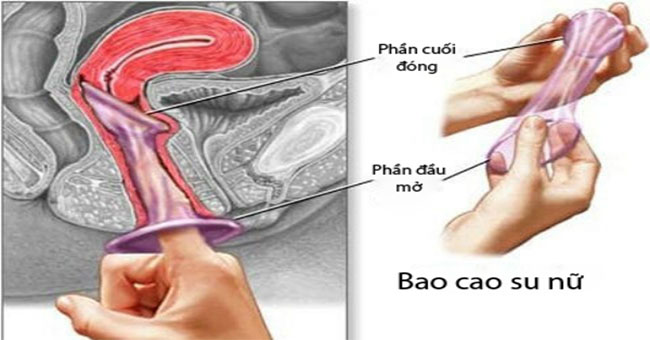
Female condoms are made of thin polyurethane plastic that is worn inside the vagina to prevent sperm from meeting eggs.

According to the report published in the British newspaper, Independent on April 22, the drug affects proteins on the surface of sperm and limits their ability to move.

Obstetricians warn if excessive abuse of emergency contraceptives is easy to cause infertility.