
New technology
Speaker Voice Control
Talking to television is often a sign of extreme agitation, mental turmoil or excessive loneliness. But now the Asian television makers have turned this abnormal into re…
Browse ScienceInfo articles and explainers related to Control.
1,671 published items.
Talking to television is often a sign of extreme agitation, mental turmoil or excessive loneliness. But now the Asian television makers have turned this abnormal into re…
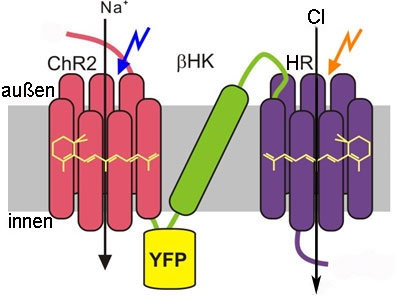
A team of scientists led by Ernst Bamberg at the Max Planck Institute for Biophysics in Germany has developed light switches that use light pulses to control the cells.…
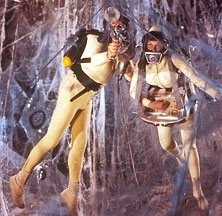
The tiny capsule in the abdomen as in the science fiction movie Fantastic Voyage is about to be realized thanks to the tiny camera that can travel through the human body.
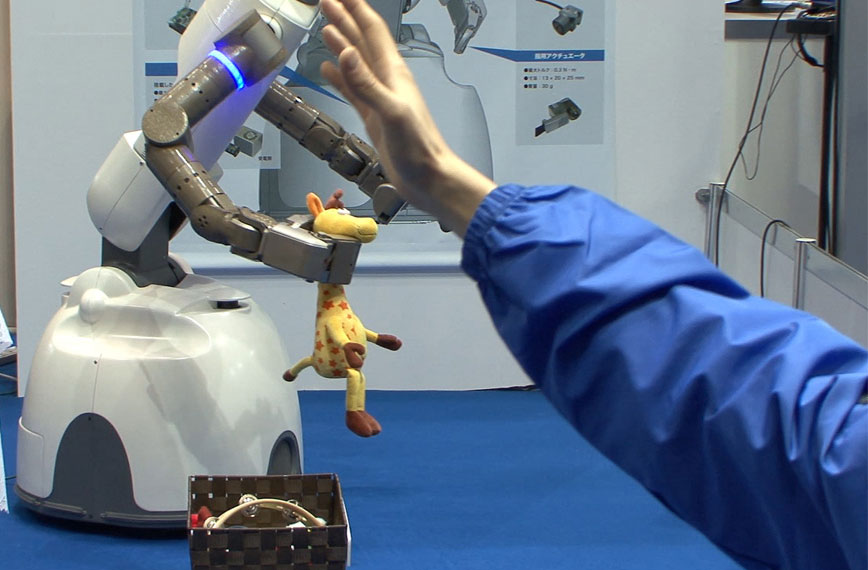
A Japanese company uses a Kinect motion sensor to control the robot they built.

Senseye Technology is developing a technology that allows you to use the phone visually based on a phone-pre-set camera to pinpoint the position of the eyes when the use…

People build robots to do everything, and then it will be time for robots to be able to control ourselves.

Scientists working at 17 universities, companies and organizations across Europe have participated in the Development of Intelligent Transport Vehicles (HAVEit) - cars w…

Ryno is a one-size-fits-all-wheel-drive electric vehicle, designed to travel, be safe and extremely easy to handle, fast and flexible.

People will be able to lose weight easily thanks to a device created by scientists at the University of Pittsburgh. The device is called Ebutton.

Weighing about 350g and a diameter of 16 inches, the ball can travel in many directions with high stability, while the maximum speed can be up to 60km / h.

Scientists at Oxford University have developed a car that can automatically control itself.

This will make the dream of lazy people come true. Teletouch, a program that runs on smartphones, can turn off lights, turn off the alarm, or even have the ability to co…
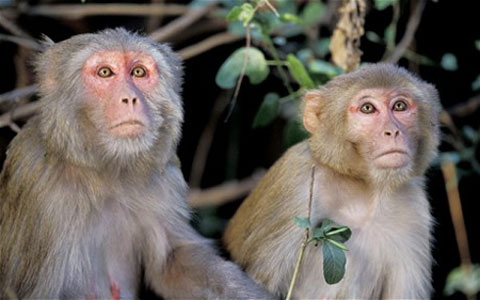
British scientists teach monkeys control the arms of a computer-literate character by their minds, a scientific breakthrough that can be useful to the disabled.
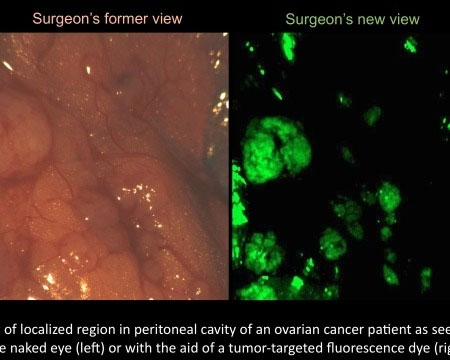
Scientists from Purdue University conducted this study using a 'control device' cancer cell and described in detail the pathogens.